Understanding Military Engineering Machinery and Its Impact
Engineering Military Machinery Explained in 2025
In the dynamic realm of military operations in 2025, engineering military machinery stands out as a crucial element. These machines are indispensable not only in combat scenarios but also in logistics, construction, and maintenance throughout various missions. Gaining insight into how these military engineering machines function and their significance is vital for understanding the current military capabilities.
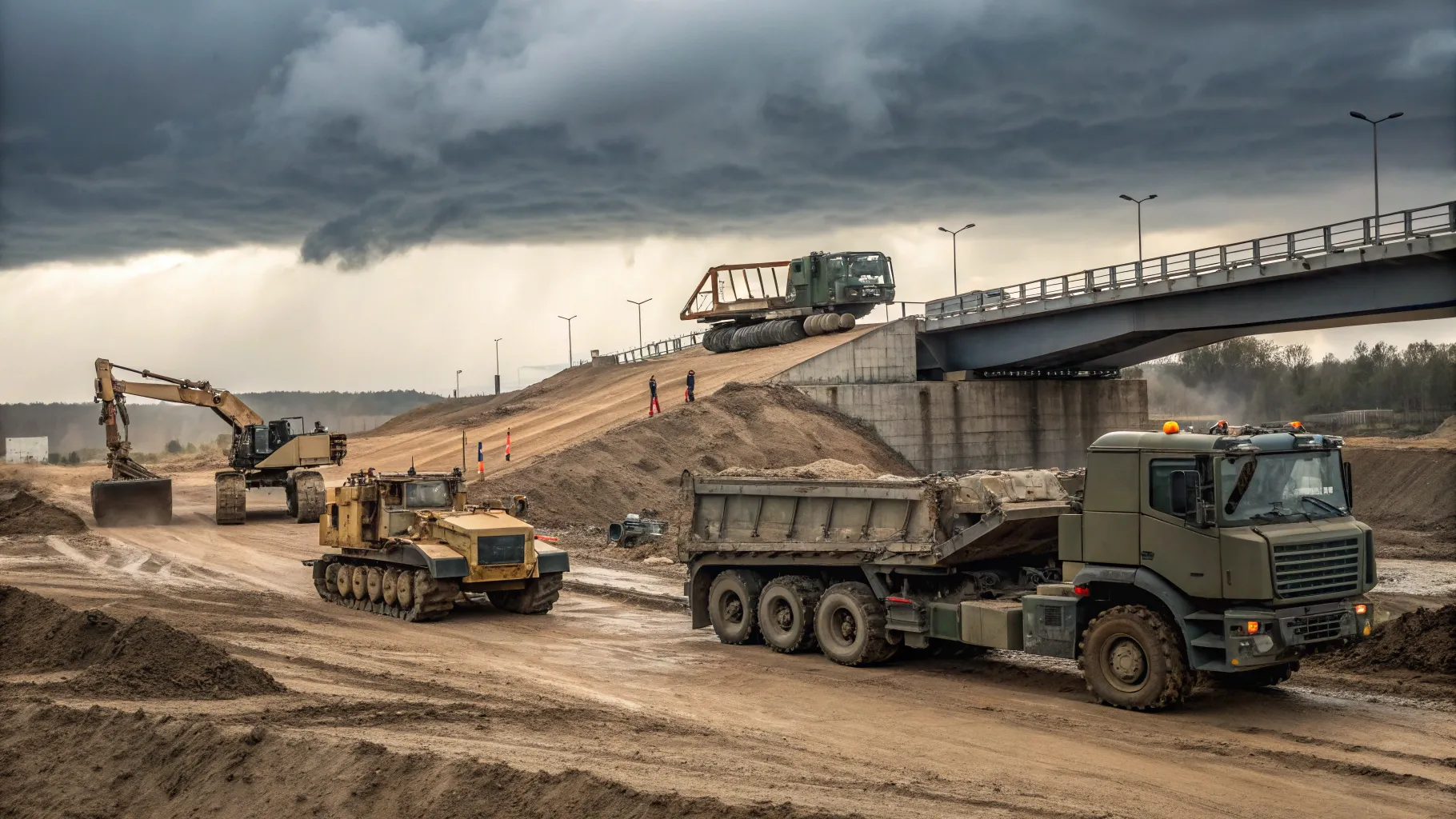
How Military Engineering Machines Operate
At their essence, military engineering machinery includes an array of vehicles and equipment tailored for specific tasks. This category encompasses everything from earth-moving machines to heavy-duty transport vehicles. Let’s delve into some critical functions and types of machinery:
- Earth Movers: These include bulldozers and excavators, which are employed to construct and maintain military bases, dig trenches, and create defensive positions. They play an essential role in shaping the battlefield and facilitating troop movement.
- Bridging Equipment: Vehicles like the Armored Vehicle Launched Bridge (AVLB) enable forces to cross obstacles such as rivers or gaps in the terrain. This capability is crucial for rapid troop movement and logistical support during operations.
- Logistics and Transport Vehicles: Specialized trucks and trailers are designed for transporting troops and essential supplies, ensuring seamless operations. Modern vehicles are outfitted with advanced navigation systems and tracking capabilities to enhance efficiency.
- Explosive Ordnance Disposal Vehicles: These specialized machines are tasked with the detection, disarmament, and safe transport of explosives. They play a vital role in ensuring the safety of troops by managing threats from IEDs and other explosive devices.
These military machines leverage advanced technologies, including automated systems and remote operation capabilities, enhancing precision and safety in operations. For example, the incorporation of robotics and AI allows machines to perform tasks that may pose danger to human operators.
The Importance of Military Engineering Machinery
The significance of military engineering tools is evident in several key areas:
- Terrain Management: Mastering the physical landscape of a battlefield offers a strategic edge. Engineering equipment enables military forces to quickly modify terrains, constructing fortifications or clearing paths crucial for movement.
- Rapid Deployment: Modern military operations often require quick reactions to unforeseen threats. Engineering machinery aids in swiftly transforming locations into operational bases, providing a critical advantage in time-sensitive scenarios.
- Support Roles in Combat: Beyond logistical support, engineering machines can engage directly in combat by constructing defensive barriers, providing cover, and ensuring troops have the necessary infrastructure to operate efficiently.
Recent innovations in military engineering machinery have emerged over the last six months, significantly enhancing their effectiveness. For instance, advancements in hybrid and electric technologies have reduced noise signatures, enabling more stealthy operations. Such developments allow forces to execute missions without unwanted detection.
Types of Engineering Military Machinery in Use
To fully appreciate the capabilities of military engineering machines, it’s essential to understand the variety available today. Here are some notable types that are actively utilized in military operations:
- Heavy Equipment Transporters (HET): These are utilized for moving heavy tanks and armaments, ensuring transport without causing damage to roads and paths.
- Combat Engineer Vehicles (CEV): Equipped with a range of tools, including plows, saws, and capabilities for mine clearance, these vehicles enhance operational effectiveness in combat zones.
- Field Service Vehicles: These vehicles serve a logistics role and can be customized for various mission requirements, enhancing their versatility on the battlefield.
- Mobile Construction Equipment (MCE): Integrating multiple functions—supply, logistics, and troop transport—on a single chassis allows for adaptable operations.
Each type of machinery is not limited to a single function; their versatile design enables adaptability for various tasks in a military environment, proving indispensable in both construction and combat scenarios.
Emerging Trends in Military Engineering Machinery
As we navigate through 2025, military engineering machinery is experiencing a transformative phase thanks to rapid technological advances. Autonomous technology and artificial intelligence play an ever-increasing role in the capabilities of these machines. They can now independently perform complex tasks, like identifying obstacles or assessing terrain, minimizing the need for direct human control.
Recent statistics indicate that the demand for military engineering machines is projected to rise dramatically in the coming years. For example, specialized units previously valued around $500,000 are now anticipated to see a price increase of approximately 15% due to the integration of more advanced features. This boosts the cost but also enhances the operational capabilities of these machines.
In addition to higher demand, there is a noticeable trend toward sustainable energy solutions within military engineering. The exploration of solar-powered engineering vehicles showcases this shift, as military organizations look to reduce reliance on fossil fuels. Such innovations are critical given that transporting fuel in active conflict zones presents unique vulnerabilities that can jeopardize operations.
Furthermore, collaborations with private tech firms are increasingly commonplace, enabling quicker iterations and improvements in machinery design and function. These partnerships are paving the way for remarkable advancements in materials, leading to lighter and more durable machines.
Ultimately, as military operations evolve, the significance of engineering military machinery remains profound. Their contributions are integral to logistical capabilities and combat success, underscoring their role as the backbone of modern military strategies. The ongoing investment in these technologies is likely to yield substantial enhancements in performance across various military operations, reinforcing the critical nature of engineering in contemporary defense tactics.
Authored by FreshLifeWire team