Understanding Liver Cirrhosis Causes Symptoms and Treatments
Liver Cirrhosis Causes and Symptoms
Liver cirrhosis is a severe medical condition that involves the progressive damage of the liver, often culminating in liver failure. As we navigate through 2025, liver cirrhosis continues to be a leading cause of morbidity and mortality globally. Gaining a deeper understanding of the causes of liver cirrhosis is essential for effective prevention and early intervention strategies.
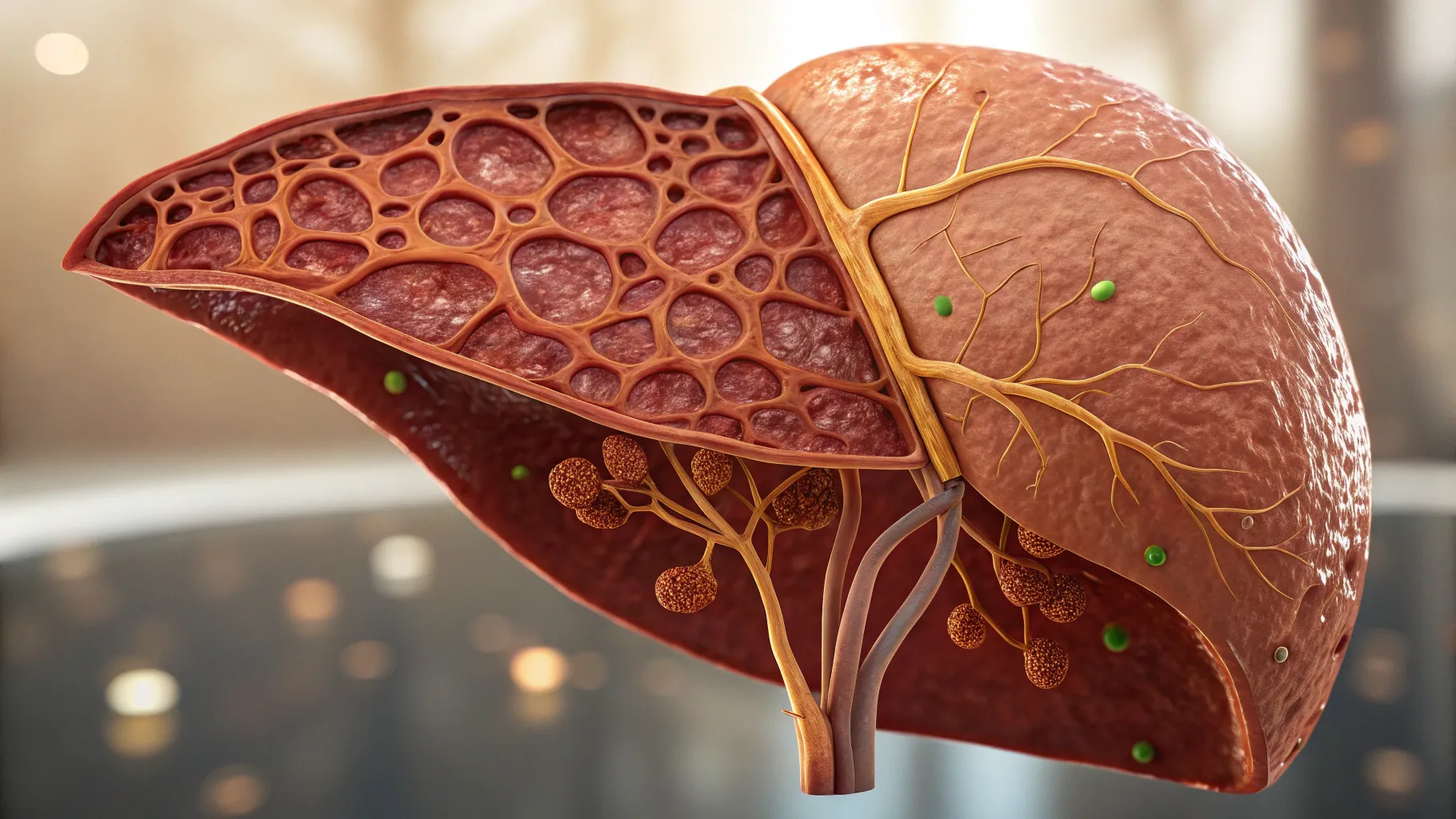
- Chronic Alcohol Abuse: One of the most prevalent causes of liver cirrhosis is long-term excessive alcohol consumption. The liver works hard to metabolize alcohol, but overconsumption can lead to significant inflammation and scarring of liver tissue.
- Hepatitis B and C Infections: Viral infections, specifically hepatitis B and C, are major contributors to liver cirrhosis. These viruses directly attack liver cells, resulting in chronic inflammation and damage that can progress over many years.
- Non-Alcoholic Fatty Liver Disease (NAFLD): With rising obesity levels worldwide, NAFLD has emerged as a key factor in liver cirrhosis cases. This condition involves the accumulation of fat in liver cells, leading to inflammation and, if left untreated, scarring.
- Autoimmune Liver Diseases: Autoimmune hepatitis is an example where the body's immune system mistakenly attacks its own liver cells. This ongoing assault can lead to significant liver damage and cirrhosis.
- Genetic Disorders: Certain genetic conditions, such as Wilson's disease, prevent the liver from processing essential metals. In Wilson's disease, copper builds up in the body, causing serious liver damage and the risk of cirrhosis.
The early symptoms of liver cirrhosis can often be quite subtle. Many individuals may not recognize the signs until the disease has progressed significantly. Common symptoms include persistent fatigue, jaundice (characterized by yellowing of the skin and eyes), easy bruising and bleeding, and swelling in the abdominal area (ascites) as well as the legs (edema). In more advanced cases, patients might experience muscle weakness and itchy skin.
Liver Cirrhosis Treatment and Best Clinics
When it comes to treating liver cirrhosis, the focus is typically on managing the underlying cause and minimizing further liver damage. As of now, there are several treatment options available:
- Medications: For individuals with hepatitis-induced cirrhosis, antiviral medications can effectively manage the viral infection. For those struggling with alcohol-related cirrhosis, treatment may include counseling and pharmacologic therapy to assist with alcohol dependency.
- Nutrition and Lifestyle Changes: Adopting a liver-friendly diet is indispensable for maintaining liver health. This typically includes a variety of lean proteins, whole grains, and fresh fruits and vegetables while significantly reducing salt and saturated fats. Regular weight management and careful monitoring of food intake are also crucial.
- Liver Transplant: In severe instances where cirrhosis has led to advanced liver failure, a liver transplant may be the only viable option. The last few months have seen notable advancements in transplant technology, enhancing the success rates and allowing new transplant centers to emerge, becoming leaders in the field.
Finding the right treatment facility can make a world of difference. Clinics that specialize in liver diseases, such as the Mayo Clinic, Johns Hopkins Hospital, and Cleveland Clinic, are at the forefront, thanks to their state-of-the-art facilities and experienced hepatologists dedicated to liver care. A recent case study from the Mayo Clinic showcased their integrated care model, where a team of specialists collaborated to deliver comprehensive treatment and psychological support, ultimately enhancing patient outcomes.
Liver Cirrhosis Diet Tips and Prevention Strategies
An appropriate diet is crucial in managing liver cirrhosis effectively. The following diet tips for liver cirrhosis management will be helpful to anyone navigating this challenging condition:
- Reduce Sodium Intake: High sodium levels can exacerbate fluid retention problems associated with cirrhosis. Limiting salt in meals encourages better management of this issue. Consider using herbs and spices for flavor instead!
- Stay Hydrated: Ensuring adequate hydration is vital for optimal kidney and liver function, so be sure to consume plenty of water throughout the day.
- Avoid Alcohol: It's paramount for individuals with liver cirrhosis to abstain from alcohol entirely. Even minimal intake can significantly worsen liver health.
- Eat Smaller, Frequent Meals: Large meals can be challenging to digest for those with liver concerns. Eating smaller, more frequent meals aids digestion and helps sustain energy levels throughout the day.
- Consult a Dietitian: Tailoring a personalized diet plan with the help of a healthcare professional or registered dietitian can greatly enhance dietary management.
Preventing liver cirrhosis hinges on addressing its risk factors. Regular screenings and vaccinations for hepatitis virus infections, maintaining a healthy weight, and practicing safe sex are all proactive measures that can reduce risks. Estimates suggest that nearly 70% of liver disease cases are preventable through healthy lifestyle choices and education.
In a nutshell, liver cirrhosis often begins rather inconspicuously but can evolve into severe health issues if left unchecked. By staying vigilant about its causes, symptoms, and effective management strategies, individuals can take proactive steps to preserve their liver health. In the ongoing fight against this serious health threat in 2025, a blend of knowledge and action remains crucial to addressing liver cirrhosis head-on.
Authored by FreshLifeWire team