Understanding Heart Stent Procedures Recovery and Benefits
What You Need to Know About the Heart Stent Procedure
As millions manage coronary artery disease today, understanding heart interventions like the heart stent procedure has become essential. This minimally invasive treatment is designed to enhance blood flow and bolster heart health. The essence of the heart stent procedure lies in a small mesh tube, called a stent, which is strategically placed in the coronary arteries to maintain openness and alleviate symptoms of heart disease. In 2025, advancements in this procedure have made it safer and more refined, shining a light on effective management options for patients.
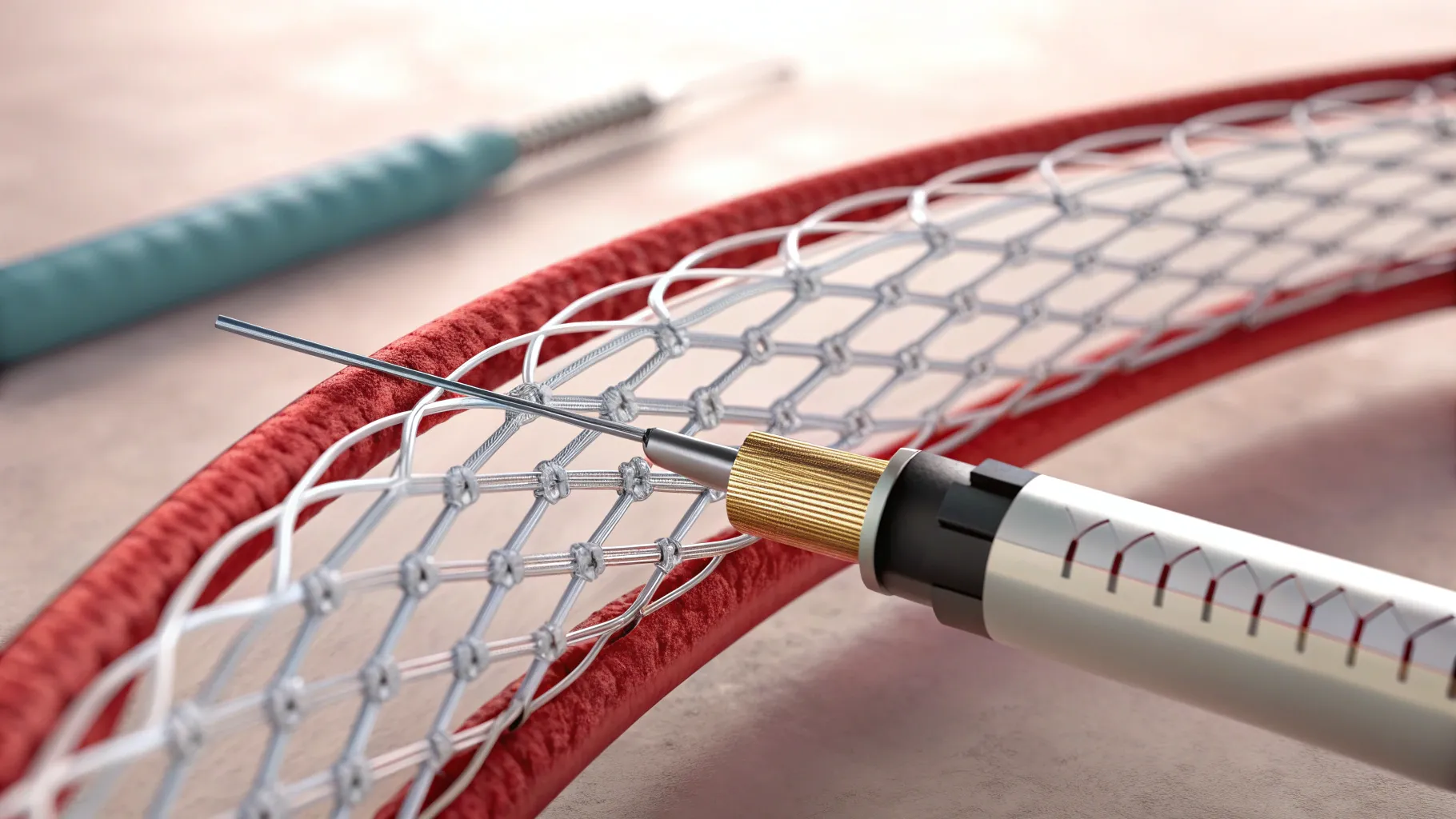
The heart stent placement journey begins with a process known as catheterization. During this, medical professionals insert a thin tube, or catheter, through a major artery, typically in the groin or wrist, guiding it toward the heart’s coronary arteries. Utilizing advanced imaging technology, doctors pinpoint any blockages. Depending on how severe the blockage is, a balloon catheter may be inserted and then inflated to widen the artery. Once the artery opens, the stent is deployed into the artery's wall, serving both as a support structure and, in many cases, releasing medication to prevent re-narrowing.
Types of Heart Stents Available in 2025
Patients today have access to various types of heart stents, mainly categorized as bare-metal stents and drug-eluting stents. Bare-metal stents, composed of sturdy materials such as stainless steel, are designed to keep arteries open. However, these come with higher risks of restenosis, which is the re-narrowing of arteries that may occur months post-procedure.
On the other hand, drug-eluting stents have revolutionized patient care with their ability to release medication into the artery over time. This features a significantly reduced risk of scar tissue formation. Recent findings indicate that patients receiving drug-eluting stents experience 18% fewer complications compared to those who opt for bare-metal alternatives. This discrepancy highlights the ongoing improvements in stent technology that contribute to better health outcomes for patients.
Innovations Shaping Heart Stent Technology
Heart stent technology has seen incredible innovations, particularly in 2025, with the exploration of biodegradable or bioresorbable stents currently in clinical trials. These stents are designed to dissolve over time, potentially minimizing long-term complications associated with traditional metal stents. Furthermore, cutting-edge designs emphasize flexibility, enabling the stents to conform better to the arterial walls, which is crucial for reducing recovery complications.
Additionally, the introduction of advanced materials has led to stents with enhanced biocompatibility, making them safer for a broader range of patients. These remarkable advancements contribute not only to patient comfort but also improve overall health outcomes. As innovations continue to emerge, the hope for patients seeking cardiovascular solutions grows stronger.
Recovery Time After a Heart Stent Procedure
Anticipating recovery timelines after a heart stent placement is vital for setting patient expectations. Recovery duration can vary based on individual health, the procedure's complexity, and underlying health conditions. Generally, patients can expect to stay in the hospital for about 24 hours post-procedure. Most individuals find themselves returning to normal activities within a week, provided they adhere to necessary lifestyle adjustments.
- Short-term recovery: Most patients can begin walking a few hours after the procedure, often enjoying light meals shortly after. While some soreness at the catheter insertion site is common, it typically subsides quickly.
- Long-term care: Physicians generally recommend follow-up appointments and prescribe blood-thinning medications to mitigate clotting, a major factor in recovery.
- Lifestyle changes: Patients should embrace heart-healthy habits like balanced diets, consistent exercise, and smoking cessation for better recovery rates and enhanced long-term results.
Recent studies highlight encouraging statistics, indicating that over 87% of patients report satisfaction or improved conditions within six months post-procedure, underlining the positive trends in recovery experiences.
Assessing Heart Stent Risks and Benefits
Like all medical procedures, heart stent placement carries its own set of risks and benefits. Understanding these factors allows patients to make informed decisions about their health care.
- Benefits:
- Improved blood flow: Stenting significantly alleviates chest pain and enhances overall heart function.
- Minimally invasive: Compared to traditional open-heart surgeries, stenting requires less invasive techniques, leading to reduced recovery times.
- Long-lasting results: Patients can enjoy years of symptom relief with proper medical management and follow-up care.
- Risks:
- Re-narrowing of arteries: Even with advancements, there remains a risk of arteries narrowing again.
- Blood clots: Early formation of blood clots can pose serious challenges, necessitating careful postoperative attention.
- Allergic reactions: Some individuals may experience allergic reactions to the metals or medications used during the procedure.
Finding the Right Clinic for Heart Stent Surgery
As patients consider heart stent surgery today, an abundance of accredited clinics offer specialized cardiovascular care. When seeking the right facility, emphasizing those that focus on cardiovascular treatments and have qualified specialists is essential. Resources such as the American College of Cardiology provide excellent tools for locating accredited centers dedicated to exceptional care.
When evaluating clinics, consider elements such as technical expertise, patient reviews, state-of-the-art technologies, and post-operative support. Many clinics now boast the latest minimally invasive technologies, often supporting patients through recovery via educational groups and resources.
Real-World Examples of Successful Procedures
A noteworthy case from the past six months involves a 61-year-old male who underwent a drug-eluting stent procedure at a top clinic in New York. Amazingly, he returned to his daily activities within just a week post-operation, with only mild discomfort and no significant complications. Follow-up assessments conducted six months after the procedure revealed excellent heart function, with no signs of re-narrowing.
The ongoing evolution of medical technology continues to enhance patient experiences, illustrating the effectiveness of heart stents in addressing cardiovascular health challenges. As innovations drive improvements in methodologies and materials, the future remains hopeful for those seeking solutions to their heart health concerns.
Authored by FreshLifeWire team