Understanding GLP-1 Medications and How They Work for Health Management
Facts:
- GLP-1s are a class of medications that mimic a natural gut hormone.
- Prescriptions for GLP-1 receptor agonists are consistently rising for metabolic health management.
The Science Behind GLP-1 Medications
Glucagon-like peptide-1 (GLP-1) receptor agonists represent a significant advancement in the treatment of type 2 diabetes and obesity. To truly grasp GLP-1 medications and how they work, it's essential to delve into their sophisticated biological actions. These medications operate by mimicking the natural incretin hormone GLP-1, which is released by the gut in response to food intake. This mimicry leads to a cascade of physiological effects designed to regulate blood sugar, reduce appetite, and promote weight loss. Understanding the intricate pathways involved is key to appreciating their therapeutic potential and recognizing why they have become a cornerstone of modern metabolic disease management.
Unpacking the GLP-1 Receptor Agonists Mechanism
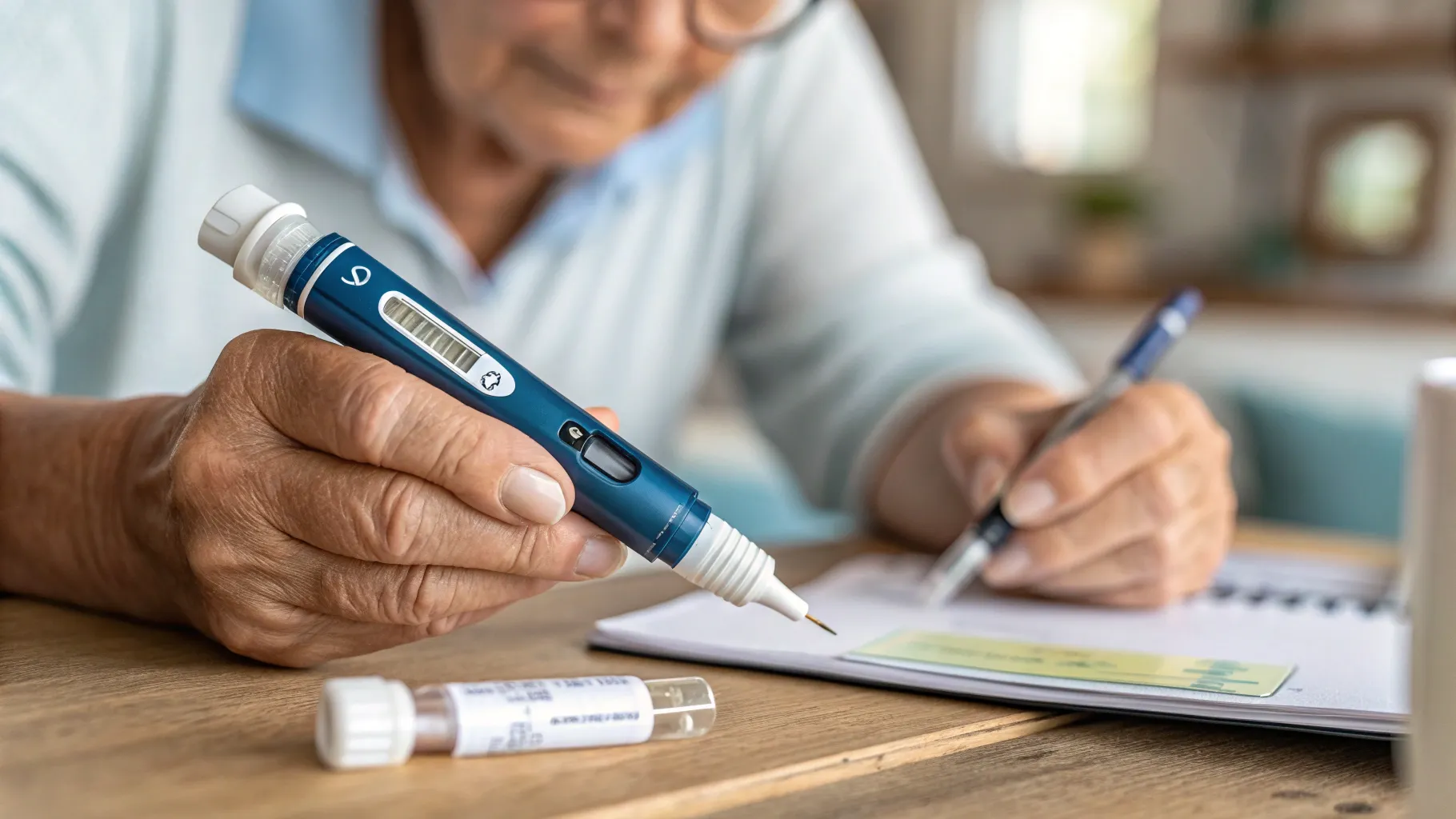
The core of these treatments lies in the GLP-1 receptor agonists mechanism. When administered, these synthetic compounds bind to and activate GLP-1 receptors located on various cells throughout the body, most notably in the pancreas, brain, and gastrointestinal tract. In the pancreas, activation of these receptors stimulates glucose-dependent insulin secretion, meaning insulin is released only when blood sugar levels are high, thereby reducing the risk of hypoglycemia. Concurrently, GLP-1 agonists suppress glucagon secretion, another hormone that raises blood sugar, further contributing to glycemic control. Beyond direct sugar regulation, they also slow gastric emptying, which helps to flatten post-meal glucose spikes and promotes a feeling of fullness. In the brain, these medications act on appetite centers, reducing hunger and food intake, which is a critical aspect of their efficacy in weight management. This multi-pronged approach underscores the profound impact of the GLP-1 receptor agonists mechanism on metabolic health.
Understanding GLP-1 Medication Dosing Schedules
Effective treatment with GLP-1 medications relies heavily on adherence to the prescribed GLP-1 medication dosing schedule. These medications are typically administered via subcutaneous injection, either daily or weekly, depending on the specific drug. For instance, liraglutide (Victoza, Saxenda) is a daily injection, while semaglutide (Ozempic, Wegovy) and dulaglutide (Trulicity) are weekly injections. The dosing schedule often begins with a lower dose, which is gradually titrated upwards over several weeks or months. This titration process is crucial for minimizing potential side effects and allowing the body to adjust to the medication. Patients are educated on proper injection techniques, storage requirements, and the importance of consistency in their GLP-1 medication dosing schedule to achieve optimal therapeutic outcomes and maintain stable blood levels of the drug.
Exploring GLP-1 Treatment Cost Factors and Inclusions
The financial aspect of these innovative therapies is a significant consideration, making an understanding of GLP-1 treatment cost factors essential. The cost can vary widely based on several elements, including the specific brand-name medication, whether a generic option becomes available, pharmacy pricing, and most importantly, insurance coverage. Without insurance, monthly costs can be substantial, often ranging from hundreds to over a thousand dollars. When considering what is included with GLP-1 prescriptions, patients typically receive the pre-filled injection pens, sterile needles (if not integrated), and comprehensive instructions for use. Many pharmacies and manufacturers also offer patient support programs, educational materials, and sometimes even savings cards to help offset costs, particularly for those facing challenges with insurance coverage or high deductibles. Understanding all these components helps patients budget and plan for their ongoing treatment.
Navigating GLP-1 Side Effects and Safety Protocols
While highly effective, patients must be aware of potential GLP-1 side effects and safety considerations. The most common side effects are gastrointestinal in nature, including nausea, vomiting, diarrhea, and constipation, particularly during the initial titration phase. These usually subside as the body adjusts to the medication. More serious, though rare, side effects can include pancreatitis, gallbladder issues, and in some animal studies, thyroid C-cell tumors (though this risk in humans is not confirmed). Therefore, strict GLP-1 side effects and safety protocols involve thorough patient screening, ongoing monitoring by a healthcare professional, and prompt reporting of any adverse reactions. Patients with a personal or family history of medullary thyroid carcinoma or Multiple Endocrine Neoplasia syndrome type 2 (MEN 2) are typically advised against using GLP-1 receptor agonists.
A Comprehensive GLP-1 Weight Loss Medication Comparison
For individuals seeking weight management, a GLP-1 weight loss medication comparison reveals several effective options, primarily within the semaglutide and liraglutide classes. Semaglutide (marketed as Wegovy for weight loss and Ozempic for diabetes with weight loss benefits) is administered once weekly and has demonstrated superior efficacy in significant weight reduction compared to other GLP-1s. Liraglutide (Saxenda for weight loss and Victoza for diabetes) is a daily injection and also provides substantial weight loss, though generally less than semaglutide in head-to-head comparisons. The choice between these medications often comes down to individual patient profiles, physician preference, potential side effects, and factors such as GLP-1 medication dosing schedule. A thorough GLP-1 weight loss medication comparison with a healthcare provider is essential to determine the most suitable treatment plan, considering both efficacy and tolerability for each patient.
Demystifying GLP-1 Insurance Coverage and Prior Authorization
Securing access to these medications often involves navigating the complexities of GLP-1 insurance coverage and prior authorization. Many insurance providers require a prior authorization (PA) process, where the prescribing physician must submit documentation justifying the medical necessity of the medication. This often involves demonstrating that the patient meets specific clinical criteria, such as a particular BMI, presence of co-morbid conditions (like type 2 diabetes or hypertension), or failure of other treatments. The landscape of GLP-1 insurance coverage and prior authorization is constantly evolving, with some plans increasingly covering GLP-1s for obesity in addition to diabetes. Patients and providers must be prepared for potential denials and appeals, underscoring the importance of understanding policy details and working closely with the insurance company to ensure treatment continuity.
Practical Advice for Starting GLP-1 Therapy
- Consult Your Healthcare Provider: Before beginning any GLP-1 medication, have a comprehensive discussion with your doctor about your medical history, current medications, and health goals to determine if it's the right choice for you, covering how GLP-1 medications and how they work specifically for your case.
- Understand Administration: Familiarize yourself with the specific GLP-1 medication dosing schedule and proper injection technique. Many manufacturers offer instructional videos and support lines to assist new users.
- Manage Side Effects Proactively: Be prepared for potential gastrointestinal side effects. Discuss strategies with your doctor for managing nausea or constipation, such as dietary adjustments or over-the-counter remedies, ensuring GLP-1 side effects and safety are prioritized.
- Adopt Lifestyle Adjustments: GLP-1 medications work best when combined with healthy lifestyle changes, including a balanced diet and regular physical activity, to maximize benefits for blood sugar control and weight loss.
- Plan for Costs and Coverage: Investigate your GLP-1 insurance coverage and prior authorization requirements well in advance. Explore patient assistance programs or manufacturer coupons if costs are a concern.
Frequently Asked Questions
What exactly are GLP-1 medications and how they work?
GLP-1 medications are a class of drugs that mimic the natural hormone glucagon-like peptide-1. They primarily work by stimulating insulin release in a glucose-dependent manner, suppressing glucagon, slowing gastric emptying, and reducing appetite, leading to better blood sugar control and weight loss.
What is the typical GLP-1 medication dosing schedule?
The dosing schedule varies by specific medication. Some are daily subcutaneous injections (e.g., liraglutide), while others are weekly injections (e.g., semaglutide, dulaglutide). Dosing usually starts low and is gradually increased over several weeks under medical supervision.
What are common GLP-1 side effects and safety considerations?
Common side effects include nausea, vomiting, diarrhea, and constipation, especially when starting the medication. Serious but rare side effects can include pancreatitis or gallbladder issues. Patients should discuss their full medical history with their doctor to ensure safe usage and understand contraindications.
How does GLP-1 insurance coverage and prior authorization work?
Many insurance plans require prior authorization for GLP-1 medications, meaning your doctor must submit documentation to prove medical necessity based on specific criteria (e.g., BMI, comorbidities). Coverage can vary significantly between plans and whether the medication is prescribed for diabetes or weight loss.
References
- American Diabetes Association. Standards of Medical Care in Diabetes.
- Endocrine Society Clinical Practice Guidelines for Pharmacological Management of Obesity.
- National Institute of Diabetes and Digestive and Kidney Diseases (NIDDK).
Authored by FreshLifeWire team