Understanding Eyelid Dermatitis Symptoms and Causes
Eyelid Dermatitis Symptoms Understanding Eyelid Eczema
Eyelid dermatitis is more than just a cosmetic concern; it affects daily comfort and overall eye health. Recent studies reveal that 20% of adults grapples with some form of eczema, making eyelid dermatitis a particularly prevalent issue owing to the delicate nature of the skin surrounding our eyes. If you have ever experienced discomfort in this area, you are not alone. This article aims to explore the most common symptoms associated with eyelid eczema, including itchy eyelids and swollen eyelids, as well as various culprits behind eyelid rashes. We will also shed light on allergic dermatitis and contact irritation, both of which are crucial in understanding this challenging condition.
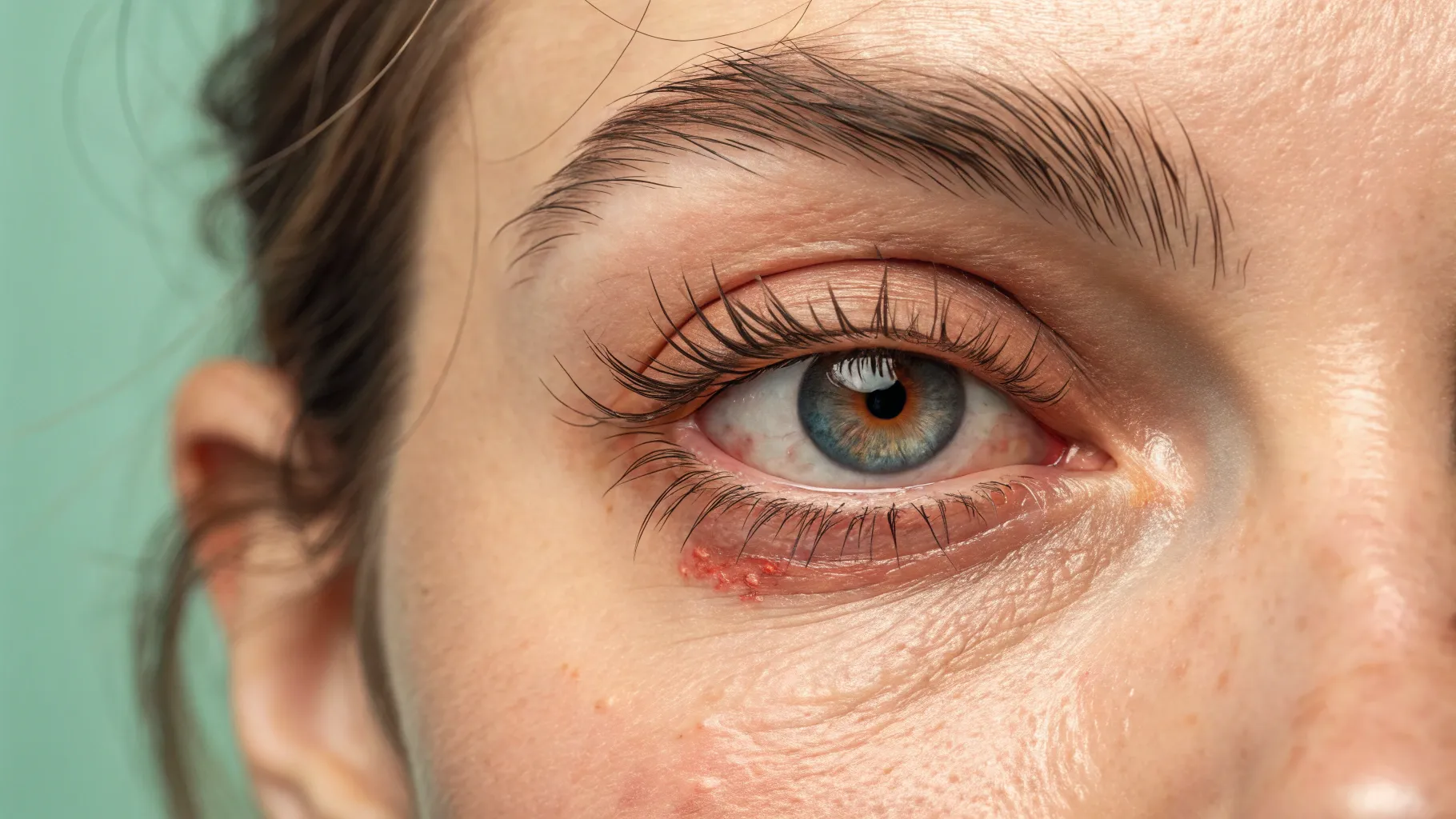
Common Symptoms of Eyelid Dermatitis
One of the most telling signs of eyelid dermatitis is itchy eyelids. This sensation can range from a mild annoyance to severe discomfort, often compelling individuals to scratch incessantly. However, scratching can exacerbate irritation and inflammation, leading to possible infections. Interestingly, many individuals report that their itchy eyelids become worse at night, disrupting sleep and daily routines.
Swollen eyelids are another prevalent symptom that often accompanies this condition. This swelling usually arises from inflammation in the skin surrounding the eyes and, in severe cases, can obscure vision. Recent surveys indicate that about 35% of individuals with eyelid dermatitis report swelling as one of their primary symptoms.
- Skin redness: The affected area may appear red and inflamed, signaling irritation.
- Dry and flaky skin: Many experience dryness, leading to flakiness and peeling.
- Rash: Rashes may present differently, ranging from bumpy and raised to smooth and leathery.
- Burning sensation: A burning feeling may occur, particularly after exposure to irritating substances.
- Crusting: In severe instances, crusting may develop due to the skin's natural protective response.
The Causes of Eyelid Dermatitis
Understanding the origins of eyelid dermatitis provides valuable insight into managing and preventing flare-ups. The conditions arise from various factors, primarily allergic reactions and contact irritants.
Allergic Dermatitis: Allergic dermatitis occurs when the skin reacts negatively to certain allergens, such as cosmetics, pollen, or pet dander. With the influx of new beauty products, cases of allergic reactions have notably increased. In a recent survey, approximately 40% of participants reported experiencing an allergic reaction due to a specific eyelid cosmetic within the last six months. Common allergens in eye makeup include:
- Fragrances
- Nickel, found in some eye products
- Preservatives such as parabens
Contact Irritation: Not all irritants are allergic in nature. Non-allergic substances can also cause contact dermatitis. This irritation typically results from physical irritants, environmental factors, or chemicals found in skincare products. The skin around the eyes is particularly sensitive, making it vulnerable to irritation from:
- Soaps and cleansers
- Shampoos or conditioners
- Sun exposure
- Pollution and harsh weather
Identifying triggers is crucial for effectively managing eyelid dermatitis. Maintaining a diary to track daily exposures can help pinpoint the specific factors leading to flare-ups. It is advisable for patients to seek guidance from a dermatologist to help identify their specific triggers.
Treatment Options for Eyelid Dermatitis
Effective management of eyelid dermatitis hinges on accurately diagnosing its cause. Treatment plans usually involve a combination of lifestyle adjustments and medical interventions. Here’s a closer look at some common strategies you may expect to encounter.
- Avoiding Triggers: The first line of defense is to steer clear of known irritants and allergens. This might involve making a switch to hypoallergenic cosmetics or skin care products.
- Moisturizers: Keeping the skin around your eyes well-hydrated is essential. Opt for gentle, fragrance-free moisturizers that are specifically designed for sensitive skin.
- Topical Steroids: In cases of severe inflammation, dermatologists may prescribe low-potency topical corticosteroids. These can help reduce swelling, redness, and itching, but should be used sparingly to avoid skin thinning.
- Antihistamines: For individuals experiencing significant itching, oral antihistamines can provide relief, especially when an allergic component plays a role.
- Routine Dermatological Visits: Regular consultations with a dermatologist can help monitor your condition and allow for adjustments to your treatment plan as needed.
- Protective Eyewear: When outdoors, wearing protective eyewear can shield your eyelids from various environmental irritants, particularly for those with known sensitivities.
In more severe instances, dermatologists may explore advanced treatments such as phototherapy or prescribe medications that target specific components of dermatitis. As we continue to learn more about eyelid dermatitis, emerging research promises innovative treatments that may provide hope for many individuals. Knowing your options, alongside maintaining open communication with healthcare providers, is vital for adapting your management strategy to recent developments in this field.
Eyelid dermatitis can significantly impact your quality of life, but understanding its symptoms and causes empowers you to seek effective treatment and live comfortably. Keeping abreast of the latest treatment options and engaging with healthcare professionals will lead you on a positive path toward managing eyelid eczema effectively.
By educating yourself and seeking proactive solutions, you’re not just tackling the symptoms but significantly improving your overall eye health and comfort.
Authored by FreshLifeWire team