Understanding Endometriosis Symptoms Causes and Treatment
Understanding Endometriosis and Its Development
Endometriosis is a complex and often painful condition affecting millions of women worldwide. Defined as the growth of endometrial-like tissue outside the uterus, this condition can lead to various symptoms, complications, and challenges for those affected. Understanding what endometriosis is and how it develops is crucial for early diagnosis and effective management.
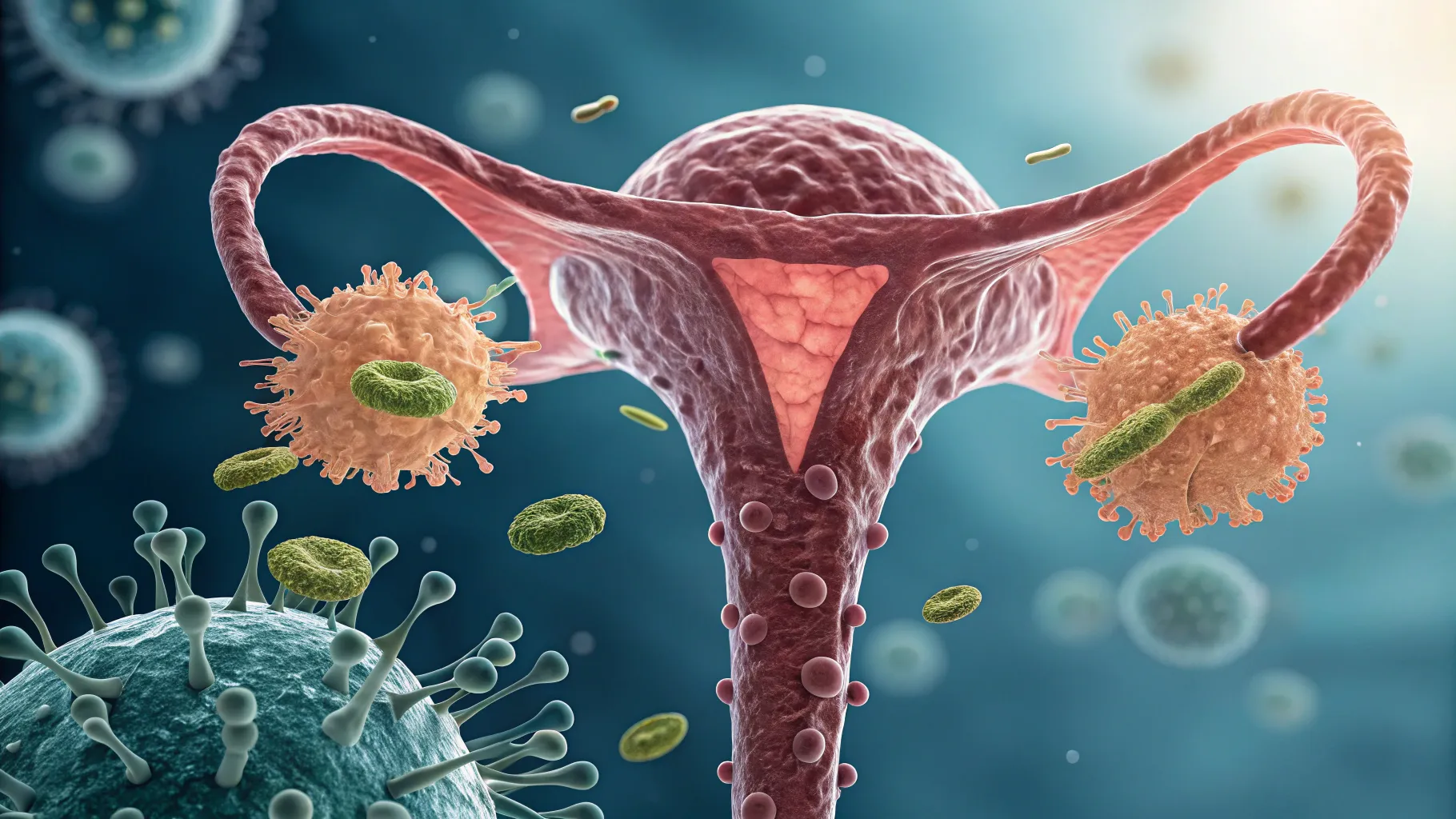
What is Endometriosis and How Does it Occur?
Endometriosis occurs when tissue similar to the lining of the uterus, known as the endometrium, starts growing outside of it. This tissue can be found on the ovaries, fallopian tubes, and the lining of the pelvis, and in rare cases, even beyond the pelvic organs. Since this tissue acts similarly to normal endometrial tissue—thickening and shedding with each menstrual cycle—it can cause inflammation, scar tissue formation, and adhesions, leading to chronic pain and other symptoms.
Although the exact cause of endometriosis remains unclear, several theories exist. One popular hypothesis is retrograde menstruation, where menstrual blood flows backward through the fallopian tubes into the pelvic cavity rather than exiting the body. Other factors might include genetics, immune system disorders, and environmental factors.
The Development Process of Endometriosis
The development of endometriosis often begins in the teenage years or early adulthood. Hormonal changes associated with menstruation may trigger the growth of endometrial-like tissue, which can lead to the disease. Research indicates that approximately 10% of women in reproductive age suffer from this condition, highlighting its prevalence and the need for effective management strategies.
In a recently published study, researchers noted a significant correlation between women experiencing early menarche and a higher risk of developing endometriosis. The onset of menstruation at an earlier age appeared to increase the likelihood of this condition, although further investigation is necessary.
What are the First Symptoms of Endometriosis?
The symptoms of endometriosis can vary widely from one person to another, making it a challenging condition to diagnose. However, some common early symptoms reported by patients include:
- Painful periods (dysmenorrhea): Many women experience severe cramps that can occur before and during their menstrual periods.
- Pelvic pain: Chronic pain in the pelvic region that can happen at any time during the month, not just during menstruation.
- Heavy bleeding: This can manifest as heavy periods or bleeding between periods.
- Pain during intercourse: Discomfort or pain during or after sex can be a significant symptom of endometriosis.
- Infertility: Endometriosis is found in many women who are infertile, serving as a common cause.
Recognizing these symptoms early can lead to quicker diagnosis and treatment, significantly improving quality of life for those affected.
How is Endometriosis Diagnosed?
Diagnosing endometriosis typically involves a multi-faceted approach. Doctors often begin with a detailed medical history and a physical examination. They might employ pelvic exams to check for abnormalities. However, definitive diagnosis usually requires medical imaging, such as ultrasound or MRI, and sometimes a surgical procedure called laparoscopy, where a small camera is inserted into the pelvis to look for endometrial-like tissue directly.
According to a 2024 study, the average time from the onset of symptoms to diagnosis is around 7-10 years. This delay in diagnosis can be attributed to the misconception that severe menstrual pain is normal, which hinders many women from seeking timely medical help.
What Does Endometriosis Pain Feel Like?
The pain associated with endometriosis can be debilitating and varies in intensity. Women often describe it as a deep, throbbing pain that can feel like sharp shooting sensations or dull aches. It may be mistaken for other conditions, such as irritable bowel syndrome (IBS) due to its symptoms overlapping. Some women can experience extreme fatigue, lower back pain, and gastrointestinal issues, which add to the complexity of the condition.
A recent survey indicated that more than 60% of women with endometriosis rate their pain as moderate to severe, significantly impacting their daily activities and overall quality of life.
Does Endometriosis Affect Fertility?
Yes, endometriosis can significantly affect a woman’s fertility. The presence of endometrial-like tissue outside the uterus can interfere with egg release from the ovaries, fertilization, and implantation of embryos. Studies show that approximately 30-50% of women with endometriosis may experience infertility. However, it's essential to note that having endometriosis doesn't mean a woman will be infertile; many women with the condition go on to conceive successfully.
Medical professionals often recommend early intervention and treatment to manage symptoms effectively, especially for women planning to conceive.
How to Treat Endometriosis Naturally
While medical interventions and medications are common treatments for endometriosis, some women prefer natural approaches to manage their symptoms. Here are several natural treatment options:
- Diet: Following an anti-inflammatory diet rich in fruits, vegetables, nuts, and healthy fats may help alleviate symptoms.
- Exercise: Regular physical activity can improve overall health and help reduce chronic pain.
- Herbal Remedies: Some women find relief through herbs like turmeric, ginger, and cinnamon, known for their anti-inflammatory properties.
- Stress Management: Approaches such as yoga, meditation, and acupuncture may help reduce stress and improve pain management.
- Supplements: Omega-3 fatty acids, vitamin D, and magnesium supplements are also worth exploring but should be used under guidance.
It is advisable for women to consult with healthcare professionals before starting any natural treatment to ensure the best outcomes based on individual health needs.
Understanding endometriosis is crucial for women experiencing its symptoms. Awareness leads not only to better management of the condition but also promotes a supportive community for those affected. With increased knowledge and timely intervention, women can navigate the challenges posed by endometriosis and reclaim control over their health and well-being.
Authored by FreshLifeWire team