Understanding Causes of Easy Bruising and Skin Health
Why Do Bruises Appear Easily
If you find yourself getting bruises often or with little provocation, you are certainly not alone. Many individuals discover that their skin is prone to bruising, leading to questions about why this happens. In essence, bruises, also known as contusions, occur when tiny blood vessels just beneath the skin break due to trauma, allowing blood to seep into the surrounding tissues. Although most of the time, frequent bruising is not a major concern, it can sometimes point toward underlying health issues that warrant attention.
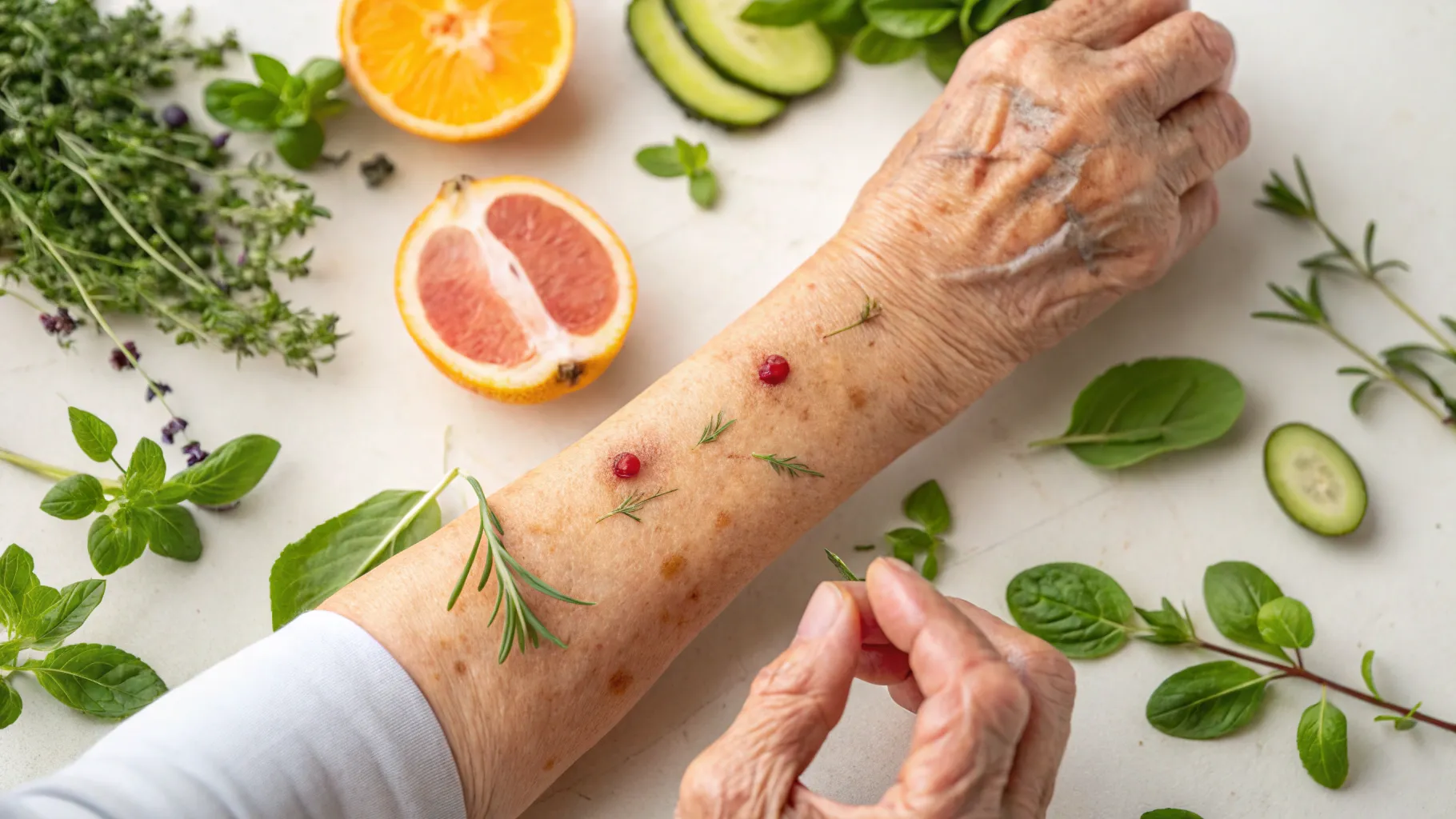
Understanding Aging and Skin Fragility
One of the primary contributors to easy bruising is fragile skin, especially as we age. Cohesively, our skin undergoes significant changes: it becomes thinner and loses essential fatty tissues. This makes blood vessels increasingly susceptible to damage. Recent data reveals that about 30% of individuals aged 65 and older report a noticeable increase in bruising, which correlates with the natural decline of collagen production—a protein vital for maintaining skin strength and elasticity.
Aside from aging, certain medications can exacerbate the problem. For instance, blood thinning medications such as aspirin, warfarin, and non-steroidal anti-inflammatory drugs (NSAIDs) are known to increase bleeding tendencies. Research highlights that over 10% of individuals using these medications experience unexplained bruising as a side effect. Likewise, corticosteroids prescribed for conditions like arthritis can weaken blood vessels, further contributing to skin fragility.
Vitamin Deficiencies and Their Role in Bruising
Vitamin deficiencies play a pivotal role in both skin health and the frequency of bruising. Notably, vitamins C and K are crucial for sustaining robust blood vessels and facilitating proper healing processes in the body. A lack of vitamin C can lead to scurvy, where symptoms include not only easy bruising but also fatigue and joint pain. Alarmingly, recent studies suggest that about 20% of older adults currently have insufficient vitamin C levels.
Vitamin K also boasts a critical function in blood coagulation; a deficiency can result in excessive bleeding and bruising. Making an effort to incorporate foods rich in these vitamins—such as leafy greens, citrus fruits, and berries—into your diet is essential, particularly for those who belong to older age groups or are taking blood-thinning medications. Maintaining these nutrients can often help in reinforcing the resilience of the skin.
Preventing Bruises Naturally
While not every bruise can be prevented, there are effective strategies to reduce your risk significantly. First and foremost, engaging in regular physical activity is beneficial, as it strengthens blood vessels and improves circulation overall. Aerobic exercises, strength training, and flexibility workouts can contribute immensely to maintaining strong skin health, promoting both fitness and wellness.
- Diet Matters: Pay attention to your dietary intake.
- Incorporate foods rich in vitamins C and K.
- Ensure you stay well-hydrated.
- Limit alcohol consumption since it can worsen skin fragility.
Statistics indicate that alcohol can aggravate skin conditions, contributing to a 15% increase in skin complaints among heavy drinkers, including easy bruising. Therefore, evaluating your consumption habits can play a significant role in general skin health.
For those on medications that carry an increased risk of bruising, exercising caution in everyday activities is essential. Utilizing protective gear during physical activities and being mindfulness around sharp edges of furniture are practical measures to avoid unintended bruising incidents.
Recognizing When to Seek Help
While occasional bruising is usually harmless, there are specific scenarios where the appearance of bruises should raise red flags. If you observe a significant uptick in bruises, especially those that appear without a discernible cause, it’s wise to consult with a healthcare professional. You should also consider medical advice if the bruises in question are particularly large, painful, or occur alongside other symptoms like fatigue or unexplained weight loss. These could signify a more serious underlying condition that needs addressing.
For example, disorders such as hemophilia, liver disease, or blood-related diseases like thrombocytopenia can lead to unusual bruising. A recent medical case highlighted a patient who frequently reported unexplained bruising, leading to a diagnosis of a clotting disorder requiring immediate intervention.
Taking Charge of Your Skin Health
Being proactive in promoting skin health is crucial for addressing the issue of easy bruising. An increased understanding of nutritional needs, combined with regular medical analyses, fosters a beneficial environment for skin integrity. Engaging in skin care routines—like daily moisturizing and applying sunscreen—also helps safeguard against environmental factors that may contribute to skin delicacy.
Open conversations about skin health, whether with family or healthcare providers, can illuminate paths to better understanding your body's needs. Given that nearly 40% of seniors experience some form of skin sensitivity or issues, these discussions are particularly worthwhile.
In summary, while easy bruising may often result from benign factors such as aging or minor deficiencies, it can signal underlying health concerns. By prioritizing a balanced diet, consistent exercise, and regular medical consultations, you can take significant steps towards protecting not just your skin but your overall health as well. Stay informed and attentive to changes in your body, and do not hesitate to seek help when necessary.
Authored by FreshLifeWire team