Understanding Dizziness in Seniors Causes and Solutions
Understanding Dizziness in Seniors
Dizziness is a common issue for many seniors, impacting their daily lives and limiting their independence. Grasping the nuances of dizziness in seniors is essential for family members, caregivers, and healthcare providers alike. With an increasing older population, addressing the complexities surrounding dizziness has become crucial in preserving the quality of life for older adults and preventing falls that may lead to serious injuries.
Identifying Causes of Dizziness in Seniors
Dizziness in seniors can arise from a range of factors, especially when they may be grappling with multiple health issues. Understanding the causes is the first step towards effective management and treatment. Here are some leading causes of dizziness:
- Vestibular Disorders: The inner ear plays a critical role in balance, and issues here can lead to vertigo—a distressing sensation of spinning. Recent studies show that roughly 40% of seniors are affected by vestibular disorders, making them vulnerable to falls and injuries.
- Cardiovascular Conditions: Various heart-related issues like low blood pressure or irregular heartbeats can trigger dizziness, particularly in cases of quick position changes. As of a 2024 study, around 22% of older adults report experiencing postural hypotension, which leads to sudden drops in blood pressure and subsequent dizziness upon standing.
- Medication Side Effects: Seniors often take multiple medications, many of which list dizziness as a side effect. Reports suggest that over 35% of older adults regularly consume five or more prescription medications, raising the risk of dizziness significantly.
- Neurological Disorders: Conditions like multiple sclerosis, Parkinson’s disease, and strokes can disrupt balance. Evidence indicates that about 18% of stroke survivors continue to battle dizziness, drastically affecting their mobility and safety.
- Dehydration: Seniors are particularly susceptible to dehydration, especially during the summer months. Failing to consume adequate fluids can lead to dizziness and confusion, compromising overall health.
Recognizing Symptoms of Dizziness
The symptoms of dizziness may differ significantly among individuals, so it’s important to recognize these variations:
- Lightheadedness: Often described as a feeling of faintness or unsteadiness, this sensation does not necessarily involve a spinning sensation.
- Vertigo: A specific type of dizziness where the individual feels like they or their surroundings are moving or spinning.
- Loss of Balance: A major concern for seniors, this can lead to devastating falls.
- Nausea: This is particularly prevalent in the case of vertigo, leaving the individual feeling queasy.
It’s vital for caregivers and healthcare professionals to gather accurate details about these experiences to diagnose underlying causes adequately and tailor treatments effectively. It is always advisable to document the frequency, duration, and triggers of dizziness to convey this information during medical consultations.
Effective Strategies for Managing Dizziness in Seniors
Once the underlying causes of dizziness are identified, strategies can be put into place to manage the symptoms. Here are effective approaches for seniors:
- Physical Therapy: Introducing tailored physical exercises through vestibular rehabilitation therapy (VRT) can greatly enhance balance and lessen dizziness for those suffering from vestibular disorders. A recent clinical trial reported that participants experienced up to a 70% improvement in their dizziness severity after consistent participation in VRT.
- Medication Management: Consulting a healthcare provider to review current medications can help minimize dizziness caused by drugs. Adjustments in dosage or exploring alternative medications may alleviate issues.
- Hydration and Nutrition: Keeping seniors hydrated and ensuring they maintain a nutritious diet can prevent dehydration and the resulting dizziness. It’s suggested that seniors consume at least 8 cups of fluids daily, adjusting for activity levels and climate.
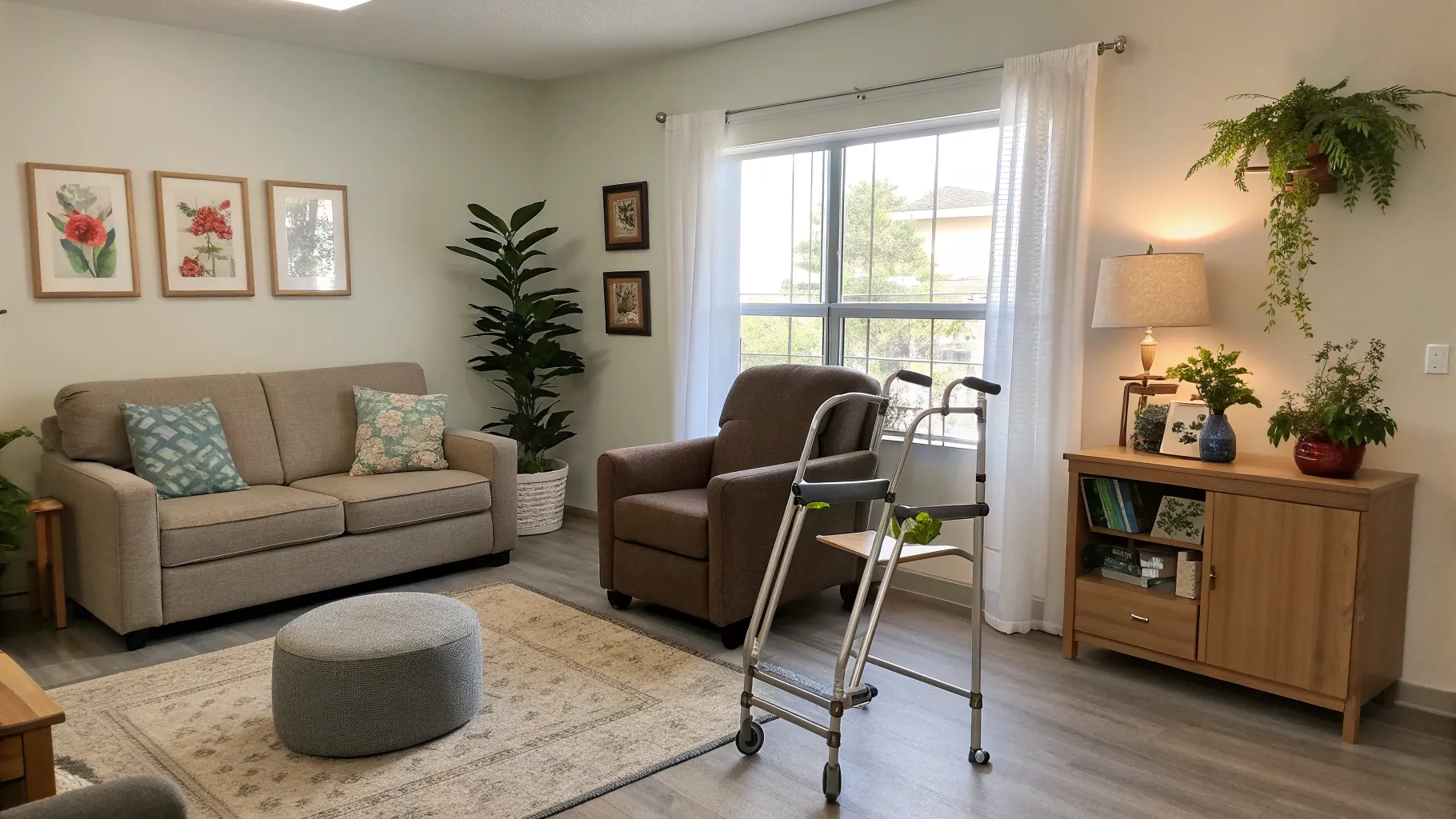
- Assistive Devices: The use of mobility aids such as walkers and canes can greatly improve stability. Recent findings highlight that seniors who utilize such devices report more than a 45% decrease in fall-related injuries.
- Home Modifications: Making living environments safer can reduce the likelihood of accidents due to dizziness. Simple modifications such as securing loose rugs or installing grab bars in bathrooms can dramatically improve seniors’ safety.
When to Seek Medical Help
While occasional dizziness can be typical, certain situations warrant a trip to the healthcare provider:
- When dizziness occurs suddenly and is severe, especially if it accompanies headaches or visual disturbances.
- Experiencing fainting spells or near-fainting episodes should prompt immediate medical evaluation.
- If dizziness persists and interferes with daily activities or quality of life.
Quick assessment can rule out serious conditions, including strokes or harmful medication interactions, enabling seniors to get the appropriate care they require.
Building a Support System for Seniors Living with Dizziness
For many seniors, living with dizziness is part of their reality. Having a solid support system can alleviate feelings of isolation and insecurity. Encouragement from family and friends to engage in balance-improving activities, such as tai chi or gentle yoga, can help enhance both physical stability and mental well-being. Leading by example, younger family members can motivate older adults to participate in these healthy practices.
Communicating openly about the implications of dizziness fosters understanding and connection, benefiting emotional health. Moreover, joining community support groups provides seniors with additional resources and friendships that can assist them in coping with their situation.
As we enhance our understanding of health issues faced by the aging population, the complex nature of dizziness in seniors emerges as increasingly significant. By acknowledging causes, symptoms, and management options, relatives, caregivers, and medical professionals can collaborate effectively to ensure that older adults continue to lead safe, fulfilling lives.
Understanding the impact of dizziness is not just about addressing a symptom; it's about encouraging a holistic approach to senior health and well-being. By keeping communication channels open and providing adequate resources, we can enable our loved ones to navigate this challenge with dignity and support.
Authored by FreshLifeWire team