Understanding Dental Implants Their Types and Benefits
What are Dental Implants and How They Work
Dental implants are artificial tooth roots made from biocompatible materials, usually titanium. They are surgically placed into the jawbone to support crowns, bridges, or dentures, effectively restoring both function and aesthetics to those who have lost teeth. Unlike traditional dentures or bridges, dental implants fuse with the bone through a process called osseointegration, allowing them to behave like natural teeth.
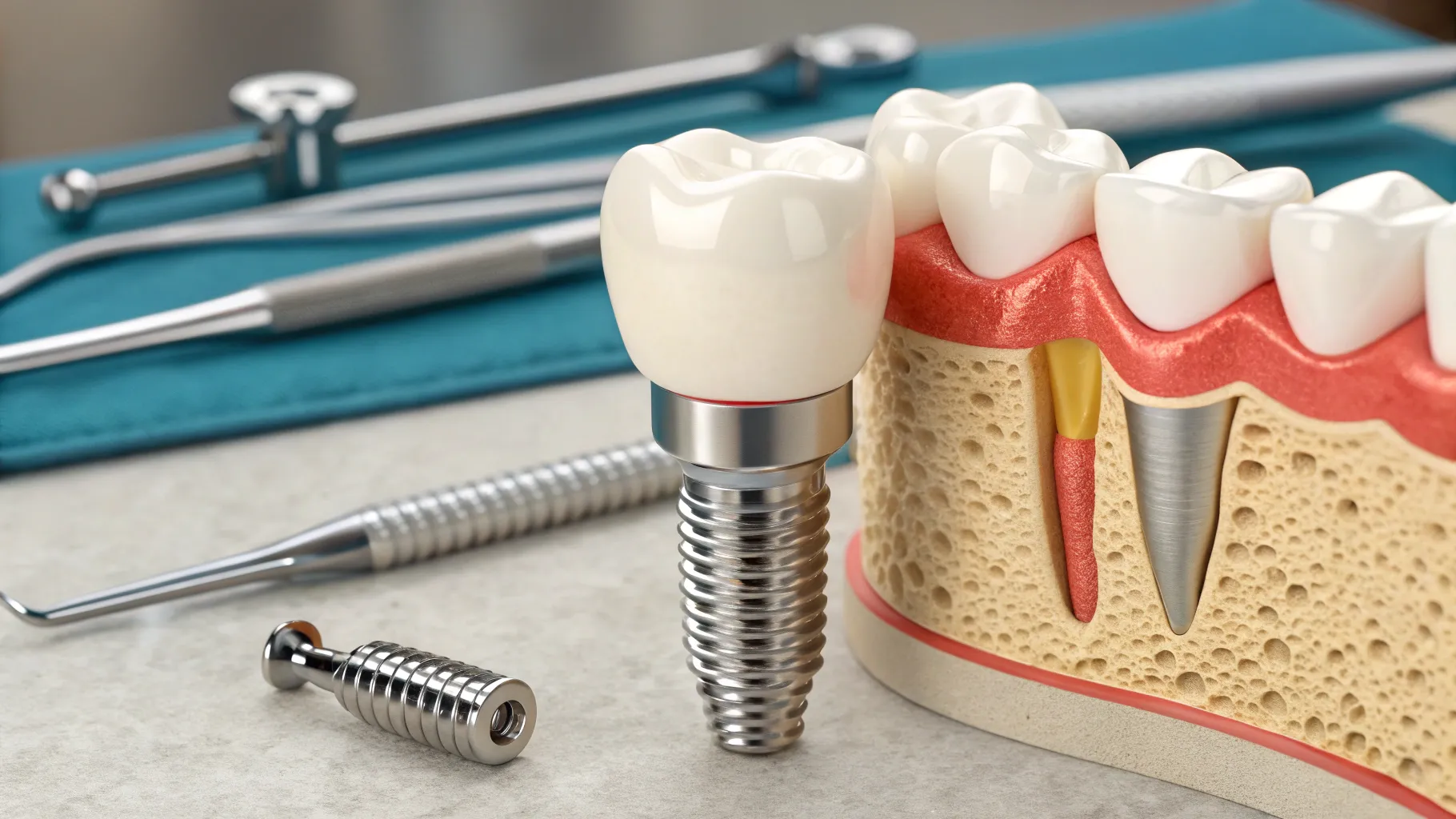
Types of Dental Implants in Dentistry
In the world of dental implants, there are primarily two main types:
- Endosteal Implants: These are the most commonly used type, which are implanted directly into the jawbone. They are typically shaped like screws and serve as a sturdy base for replacement teeth.
- Subperiosteal Implants: These are placed under the gum but above the jawbone. They are ideal for patients who do not have enough healthy jawbone and do not want to undergo additional procedures like bone grafting.
Advancements continue to emerge, including mini implants, which are smaller and require less bone structure, making them suitable for a wider range of patients. According to a recent survey, about 30% of adults over 50 have benefited from dental implants, underscoring their growing popularity.
The History of Dental Implant Development
The concept of dental implants is not new. Archaeological findings suggest that ancient civilizations were experimenting with tooth replacement as far back as 2000 BC. However, modern dental implants can be traced back to the 1950s when Dr. Per-Ingvar Brånemark discovered that titanium could merge with bone, leading to the first successful titanium dental implant placement in 1965. Over the decades, innovations in materials and technology have transformed implant procedures, making them more predictable and successful than ever before.
Materials Used for Dental Implants
Modern dental implants are designed with materials that promote osseointegration and prevent rejection by the body. The most widely used material is titanium due to its strength and compatibility with human bone. Titanium alloys are sometimes used for specific implants as they provide added strength without increasing the weight.
Newer developments have introduced materials like zirconia, a ceramic that holds aesthetic advantages, especially when a visible part of the implant is protruding through the gum. Zirconia implants are a subject of ongoing research, as they may offer improved aesthetics without the metallic appearance associated with titanium.
Step by Step Process of Dental Implant Placement
The process of getting dental implants generally involves several phases:
- Initial Consultation: Your dentist or oral surgeon will evaluate your oral health, including X-rays and possibly 3D imaging to assess the jawbone structure and plan the procedure.
- Implant Placement: During the surgical procedure, the implant is inserted into the jawbone under local anesthesia. The procedure usually lasts a couple of hours.
- Healing Period: After placement, a healing period of anywhere from 3 to 6 months is observed to allow osseointegration to occur.
- Abutment Placement: Once healed, a small connector called an abutment is attached to the implant, which will hold the replacement tooth.
- Restoration: Finally, a custom-made crown is placed on the abutment, completing the dental restoration.
This entire process can take several months, which is important for patients to keep in mind, as the time involved ensures the best possible results.
Comparison of Dental Implants and Other Prosthetic Solutions
While dental implants are a popular choice, several other solutions exist for tooth restoration, including bridges and dentures. Here’s how they stack up against implants:
- Bridges: Require adjacent teeth to be shaved down for support. They can last around 5 to 15 years, requiring frequent replacements or adjustments.
- Dentures: An affordable option, but may not always restore functionality and can lead to bone loss if not anchored properly. They can become loose over time, causing discomfort.
- Dental Implants: Provide stability and feel like natural teeth. With proper care, they can last a lifetime, making them a cost-effective long-term solution.
The selection of the right prosthetic solution heavily relies on the individual’s dental health, budget, and personal preferences.
How Long Dental Implants Last in Practice
One of the significant advantages of dental implants is their longevity. Current statistics suggest that with excellent oral hygiene and routine check-ups, over 95% of dental implants can last 10 years or more. Many patients report their implants remaining functional for 20 years or even longer. Factors such as smoking, diabetes, and oral hygiene play a crucial role in the lifespan of implants.
Dental Implants in Older Adults and Special Considerations
The demographics of dental implant patients are shifting, with more older adults opting for this solution. In fact, recent data shows a notable increase in dental implant placements among patients aged 65 and above. However, special considerations are essential for this group. Age itself is not a hindrance for dental implants; rather, other health issues such as osteoporosis, which can affect bone density, may require careful evaluation.
For older adults, it's critical to have a comprehensive dental and medical examination to ensure that they are suitable candidates for surgery. The benefits of improved function and quality of life can significantly enhance their well-being and self-esteem.
In summary, dental implants stand out as a robust and reliable solution for tooth replacement. Their development over the decades, coupled with advancements in materials and techniques, has heightened their appeal among diverse age groups, particularly older adults seeking durability and functionality in their prosthetic solutions.
Authored by FreshLifeWire team