Understanding Dental Grants and How They Work in the UK
What Are Dental Grants?
Dental grants are financial assistance programs designed to help individuals cover the cost of necessary dental treatments. These grants can come from various sources, including government programs, non-profit organizations, and private institutions. The purpose of dental grants is to make dental care more accessible to those who might not otherwise afford it, thus improving overall health and well-being.
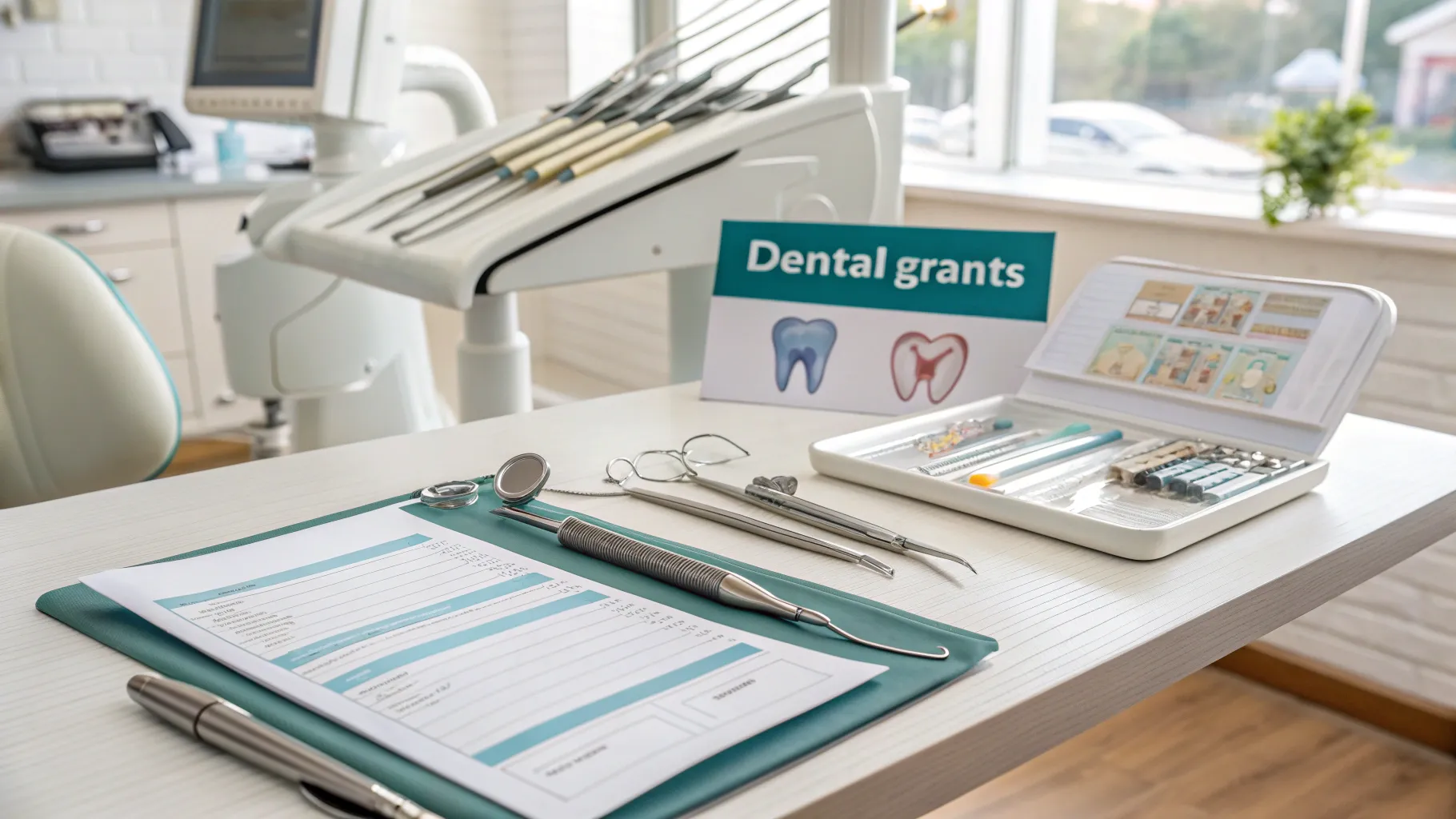
In the UK, the need for dental grants has seen a significant rise, particularly among low-income families and individuals facing financial hardships. According to recent surveys, approximately 35% of adults report avoiding dental care due to cost concerns, highlighting the crucial role of grants in addressing these barriers.
How Do Dental Grants Work?
The process of applying for a dental grant typically involves several steps, starting from identifying the right program to completing the necessary application forms. Here’s a breakdown of how dental grants work:
- Application Process: Applicants usually need to fill out an application form detailing their financial situation and the required dental treatments. Some programs may ask for documentation to verify income and expenses.
- Eligibility Assessment: Once an application is submitted, the grant provider will review the information to determine eligibility based on set criteria, including income levels, insurance status, and the nature of the dental work needed.
- Funding Approval: If approved, the grant funds may be disbursed directly to the dental care provider or, in some cases, reimbursed to the patient following treatment.
Eligibility criteria can vary significantly among different programs. Generally, individuals who fall within specific income brackets or those who have special health needs may receive priority. Some grants are specifically aimed at seniors, children, or individuals with disabilities, reflecting the programs' focus on those in most need.
Eligibility for Dental Grants in the UK
In the UK, eligibility for dental grants often depends on several key factors, most notably financial circumstances. Here are some typical eligibility requirements you might encounter:
- Income level beneath a specific threshold.
- Residency in the UK and proof of address.
- Proof of need for dental treatment.
- Not being covered by any existing dental insurance plans.
Moreover, many regional initiatives target low-income families or those on government benefits, further narrowing eligibility. Thus, it’s crucial to research which grants align with your specific circumstances before applying.
How Can I Apply for a Dental Grant?
Applying for a dental grant can seem daunting, but following a straightforward process can facilitate the experience. Here’s a guide to applying successfully:
- Research Available Grants: Start by researching local resources, government programs, and non-profit organizations that offer dental grants. Websites like NHS can provide valuable information.
- Gather Documentation: Compile necessary documents, such as proof of income, tax returns, or any relevant medical records that validate your claim.
- Complete the Application: Fill out the application form accurately, ensuring all information is correct. Double-check for any required attachments.
- Submit the Application: Send your application according to the instructions provided, whether online or via mail.
Following submission, it's a good idea to keep a copy for your records and periodically check in on the application status if you haven't heard back within a reasonable time frame—typically a few weeks.
Are Dental Grants Free or Do I Have to Pay Them Back?
Dental grants are generally free funds given to qualified individuals and do not require repayment. Unlike loans, grants do not come with interest rates or repayment schedules. Upon receiving the grant, recipients can use these funds strictly for dental treatments as outlined in their applications. However, if you misrepresent your financial situation or fail to use the funds as intended, you may face penalties or be required to repay the grant.
What Types of Dental Treatments Are Covered by Dental Grants?
The coverage of dental treatments under grants varies. However, these grants typically support essential treatment options, which can include:
- Preventative care such as cleanings and check-ups
- Restorative work like fillings and crowns
- Oral surgery including extractions
- Root canal therapy
In some cases, grants may also cover dentures or orthodontics for children. It is essential to clarify what specific treatments are eligible under each grant program as some might have restrictions.
Are There Dental Grants for Cosmetic Procedures?
While most dental grants focus on essential health-related treatments, cosmetic procedures like teeth whitening and veneers are generally not covered. Nonetheless, there are exceptions where certain cosmetic enhancements can be deemed necessary for psychological or health reasons, especially when they address issues like severe dental deformities.
Some foundations or charities may provide financial support for individuals needing cosmetic work as part of a rehabilitation effort. However, this is less common and typically requires strong justification for the intended procedures.
Where Can I Find Legitimate Dental Grant Programs in the UK?
Finding legitimate dental grant programs involves a bit of research, but there are several avenues you can explore. Start by visiting official sites like:
Local charities and community health organizations can also be excellent resources. Often, they have dedicated programs aimed at providing dental care to individuals in need. Speaking with your dental care provider can also yield information on potential grants and funding options available in your area.
Do Dental Grants Cover Private Dental Clinics?
Most dental grants in the UK focus on treatments provided in NHS or public healthcare settings. However, a limited number of programs might allow funding for treatments in private clinics, particularly for specialized procedures not available through the NHS. It’s advisable to consult the specific grant guidelines to determine if private clinic treatments qualify for coverage.
For those interested in accessing private care, it might be worthwhile to discuss payment options directly with the clinic to see if they offer interest-free payment plans or assistance packages that could supplement any grant funding you secure.
In summary, dental grants represent an important avenue of support for those in need of dental care. By understanding their workings and eligibility criteria, individuals can significantly alleviate the financial pressures associated with dental health.
Authored by FreshLifeWire team