Understanding Colitis Causes Symptoms and Treatment Options
What is Colitis and What Causes It to Appear
Colitis is an inflammation of the inner lining of the colon, which can lead to symptoms such as abdominal pain, diarrhea, and rectal bleeding. The condition can vary in severity and duration, and it can be classified into various types, including ulcerative colitis, Crohn's disease, and infectious colitis, each having distinct causes and risk factors.
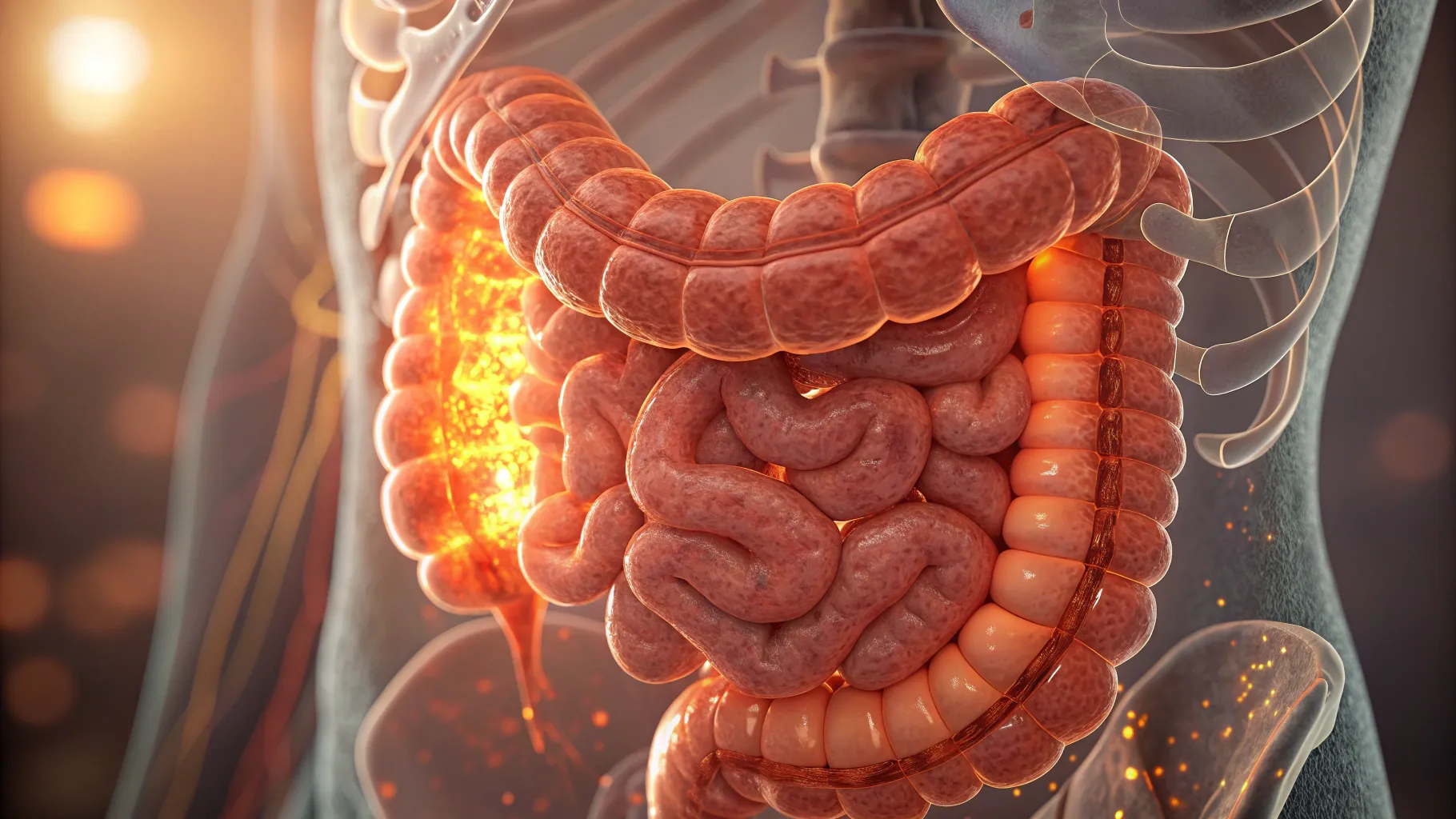
Inflammation that characterizes colitis can develop due to several reasons. Some prominent causes include:
- Autoimmune reactions: In cases like ulcerative colitis and Crohn's disease, the immune system mistakenly attacks healthy cells in the digestive tract, causing inflammation.
- Infections: Viral, bacterial, or parasitic infections can lead to infectious colitis. Recent statistics show that gastroenteritis caused by pathogens remains a common trigger.
- Medication side effects: Certain medications such as non-steroidal anti-inflammatory drugs (NSAIDs) can irritate the colon lining, leading to drug-induced colitis.
- Ischemia: Reduced blood flow to the colon due to vascular issues can also cause ischemic colitis, especially in older adults.
How Does Inflammation in Colitis Develop Over Time
The development of inflammation in colitis often progresses through a series of stages. Initially, some may experience mild symptoms that could easily be overlooked, like occasional abdominal cramps or bursts of diarrhea. If left untreated, these mild symptoms can escalate into full-blown inflammation, leading to significant pain and persistent digestive issues.
Long-term exposure to ongoing inflammation, particularly in conditions such as ulcerative colitis, can result in complications like colon damage, strictures, and even increased risk of colorectal cancer. Recent studies published in 2025 have indicated that chronic inflammation associated with these types of colitis contributes significantly to the adverse changes in the colon tissue over time.
What Symptoms Usually Indicate the Presence of Colitis
Individuals suffering from colitis can experience a variety of symptoms that may manifest differently based on the type and severity of the condition. Common symptoms often include:
- Persistent diarrhea, which may be bloody or contain mucus
- Abdominal cramps and pain, often feeling like cramping or a sharp stabbing sensation
- Fatigue and weakness, usually linked to dehydration from diarrhea
- Unexplained weight loss, which can be a sign of malnutrition due to inability to absorb nutrients properly
- Fever, especially in cases of infectious colitis
Others may also report an urgent need to defecate, leading to frequent bathroom visits. This symptom combination significantly impacts daily life and various aspects of well-being. Data from surveys in 2025 reveal that nearly 50% of patients reported a decreased quality of life due to these symptoms.
How Does Colitis Affect the Digestive Tract
Colitis can greatly impact the digestive tract, specifically the colon. Inflammation can lead the lining of the colon to become swollen and damaged. This impairment can hinder the absorption of fluids and nutrients, exacerbating symptoms like diarrhea and dehydration.
Chronic cases of colitis can result in complications such as:
- Colon ulcers: Open sores that can form in the colon lining, leading to severe pain and potential bleeding.
- Perforation: Severe inflammation can lead to a hole in the colon, requiring emergency treatment.
- Strictures: Narrowing of the colon due to scar tissue formation, which can obstruct the passage of stool.
Recognizing the symptoms and understanding how colitis affects the body can assist individuals in seeking timely medical intervention, preventing further complications.
Which Factors Contribute to the Development of Colitis
Several interlinked factors can contribute to the risk of developing colitis. Genetics play a significant role, with individuals having a family history of inflammatory bowel diseases (IBD) being more susceptible. Environmental factors cannot be ignored; for instance, people living in urban areas or those with a Westernized diet rich in fats and sugars may display higher incidence rates.
Also, lifestyle factors such as smoking can dramatically impact the risk. Interestingly, while smoking is known to worsen Crohn's disease, it appears to have a protective effect against ulcerative colitis. Recent findings underscore the complex relationship between lifestyle choices and the inflammation response.
How Does the Body Respond When Colitis Begins
When colitis begins, the body mounts an immune response to what it perceives as an assault on its gastrointestinal system. This response involves an influx of white blood cells, causing inflammation and irritation in the affected area. This immune reaction, while intended to protect the body, often leads to more damage to the gut lining, perpetuating a cycle of inflammation.
Current studies highlight how personal stress levels can exacerbate this cycle, suggesting a psychosomatic link that researchers continue to explore. Recognizing this connection can help patients manage their emotional health, as stress management techniques can significantly reduce symptom severity.
How is Colitis Typically Managed or Treated
Management of colitis varies based on the underlying cause and severity. Treatment strategies often focus on medication, dietary changes, and lifestyle modifications. Medications, including anti-inflammatory drugs like mesalamine, can help reduce inflammation. In severe cases, immunosuppressive medications or biologics might be required to control symptoms.
Diet plays a crucial role in managing colitis; many individuals find relief by avoiding trigger foods that exacerbate symptoms, like dairy or high-fiber foods during flare-ups. Regular monitoring and collaboration with healthcare providers ensure an adaptive approach tailored to the individual's needs.
Can Colitis Improve or Go Into Remission with Proper Care
Yes, with proper care and management, many people experience periods of remission where symptoms diminish or resolve entirely. Proper treatment can control inflammation, allowing the digestive tract to heal. For instance, the latest findings from 2025 indicate that 40% of people diagnosed with ulcerative colitis have reported their condition going into remission after following a strict treatment and dietary regimen.
Regular follow-up visits and adjustments to treatment plans based on the individual’s response play a fundamental role in maintaining remission. Moreover, the support of healthcare providers, along with community resources and nutritional counseling, helps individuals manage their condition effectively, providing both physical and emotional relief.
In summary, while colitis can be a challenging condition to navigate, understanding its mechanisms, symptoms, and management options can empower individuals to take control of their health and improve their quality of life.
Authored by FreshLifeWire team