Understanding Cognitive Biases That Influence Decisions
Understanding Cognitive Biases That Influence Your Decisions
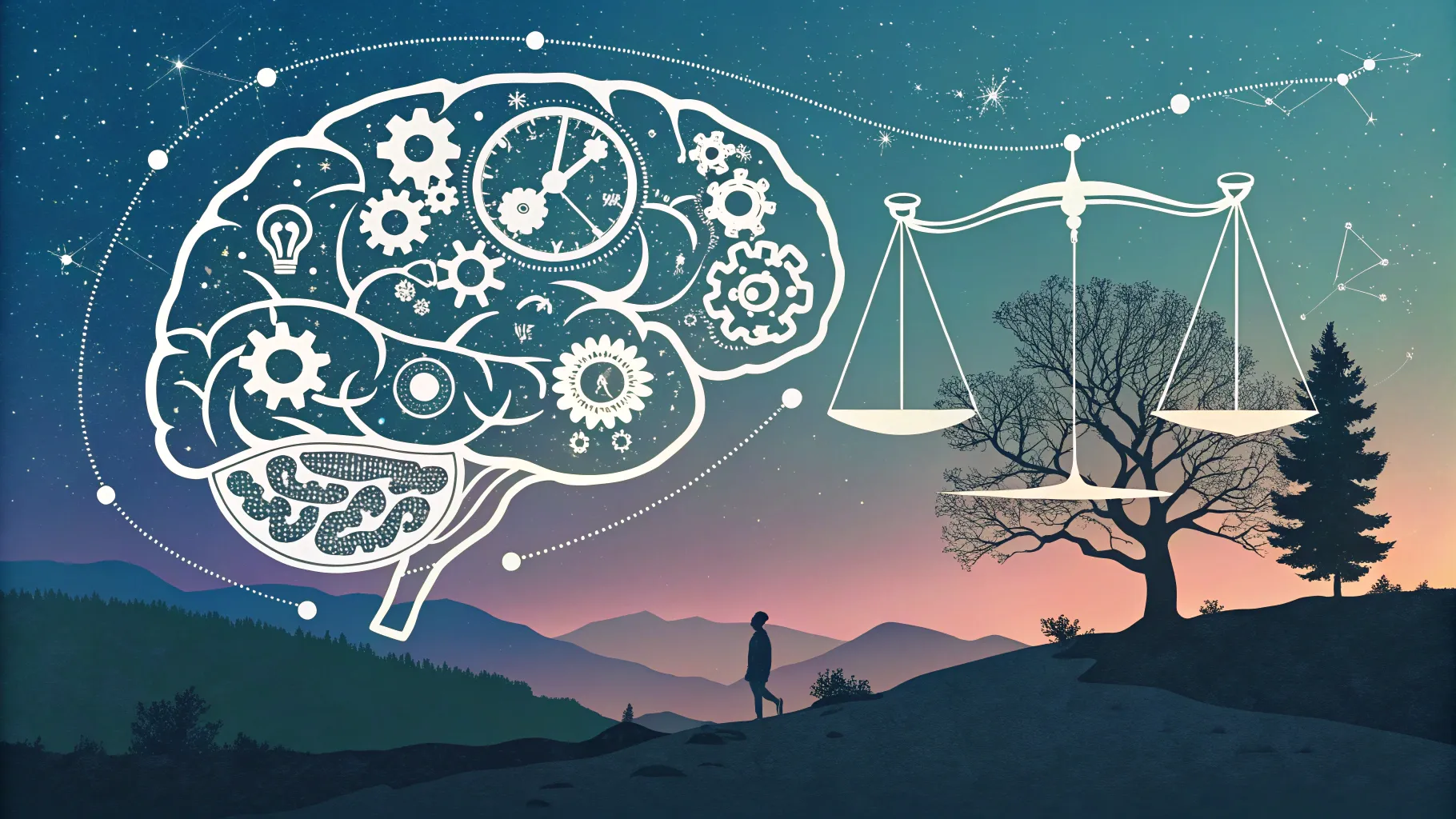
Every day, countless decisions shape our lives—from trivial ones like what to eat for breakfast to major choices such as career paths or investment strategies. Yet, unbeknownst to many, several cognitive biases quietly dictate these choices. In 2025, behavioral psychology provides insights into how these biases stem from the brain's tendency to take shortcuts, ultimately affecting our rational thinking. Let’s delve into ten cognitive biases that might be steering your decisions without you even realizing it.
1. Confirmation Bias
Confirmation bias is one of the most prevalent cognitive phenomena where individuals favor information that confirms their preexisting beliefs. For instance, if you're convinced that a specific investment strategy works, you may only seek out success stories while disregarding contrary evidence. Recent surveys show that 73% of investors exhibit confirmation bias in their decision-making process. Understanding this can drastically improve how you approach information and make more balanced evaluations.
2. Anchoring Bias
This bias occurs when individuals rely heavily on the first piece of information encountered (the "anchor") when making decisions. Real-world examples include pricing strategies in retail—setting a high initial price for a product creates an anchor that makes subsequent discounts seem more appealing, leading consumers to perceive great value. A fascinating study conducted in late 2024 showed that consumers who were first presented with a higher-priced item reported a 40% increase in likeliness to purchase when that item was later discounted.
3. Hindsight Bias
Commonly referred to as the "I-knew-it-all-along" effect, hindsight bias influences how we evaluate past decisions. Once an event occurs, people assume they could have predicted the outcome all along. This bias can impede learning from mistakes, as one might believe that outcomes were obvious rather than acknowledging the uncertainty that existed prior to the event. In corporate environments, acknowledging hindsight bias can lead to more effective post-mortem analyses after projects.
4. Availability Heuristic
The availability heuristic signifies how easily something comes to mind affects our perceptions of likelihood and importance. If you hear about a plane crash, you might overestimate the dangers of flying, despite statistics showing that flying is safer than driving. Awareness of this bias can help us navigate information overload effectively, especially amidst sensational news cycles. Recent data highlighted that 65% of people misjudge the safety of various modes of transportation due to this heuristic.
5. Loss Aversion
Loss aversion denotes the tendency to prefer avoiding losses to acquiring equivalent gains. Behavioral economists argue that losing $100 feels worse than gaining $100 feels good. In 2025, this principle continues to dominate decision science, impacting everything from gambling behaviors to stock market investments. A 2024 study showed that individuals are twice as likely to make decisions that avoid losses compared to those that achieve gains, prompting businesses to frame offerings in a way that emphasizes loss avoidance.
6. Status Quo Bias
Status quo bias refers to the preference for the current state of affairs, leading individuals to resist change. This bias often results in missed opportunities. For example, a recent report found that only 30% of companies actively embraced new technologies, primarily due to employees feeling comfortable with existing systems. By evaluating the reasons behind the preference for the status quo, organizations can encourage innovation by creating environments where change is less intimidating.
7. Dunning-Kruger Effect
The Dunning-Kruger Effect describes a cognitive bias where individuals with low ability at a task overestimate their ability. In a 2025 survey, 58% of respondents believed they were above average in driving skills, despite statistics indicating that a majority of accidents are caused by common errors made by such drivers. Recognizing this effect is crucial for personal development and performance evaluation, as it can lead to poor self-assessment and decision-making.
8. Bandwagon Effect
The bandwagon effect highlights how individuals tend to adopt behaviors or beliefs because many others do. This social influence can sway opinions significantly in political decisions or consumer trends. For instance, an analysis of social media trends in early 2025 showed that products endorsed by popular influencers on platforms like Instagram led to a 150% increase in buying behavior among their followers, revealing how persuasive peers can be in group dynamics.
9. Overconfidence Bias
Overconfidence bias leads people to overestimate their own knowledge or ability. For example, many entrepreneurs start businesses believing they will succeed against the odds. Research conducted in late 2024 revealed that 67% of startup founders expressed confidence about achieving financial success, despite the intrinsic failure rate in the first five years being over 50%. This bias can lead to uncalculated risks and may blind individuals from the reality of their situations.
10. Sunk Cost Fallacy
The sunk cost fallacy occurs when individuals continue investing in a losing proposition based on what they have already invested, rather than the present value of their choices. For example, in 2024, a public project that had already consumed $2 million was continued despite clear indications of failure. Awareness of this bias is vital for organizations and individuals to avoid throwing good money after bad decisions.
In summary, the intricate web of cognitive biases we navigate daily can significantly influence our decisions, often without our direct awareness. By understanding these biases, individuals can cultivate greater bias awareness and thus improve their decision-making processes. Moreover, acknowledging the presence of these biases allows for a path toward more rational thinking and more informed life choices. In an age where decision science is crucial for success, awareness isn't just beneficial; it's essential for informed living.
Authored by FreshLifeWire team