Understanding the Primary Causes of Nerve Pain in Hands and Feet
Facts:
- Peripheral neuropathy affects an estimated 20 million people in the United States alone.
- A growing trend for understanding neuropathy involves genetic testing to identify hereditary causes.
Decoding the Signals: What Is Peripheral Neuropathy?
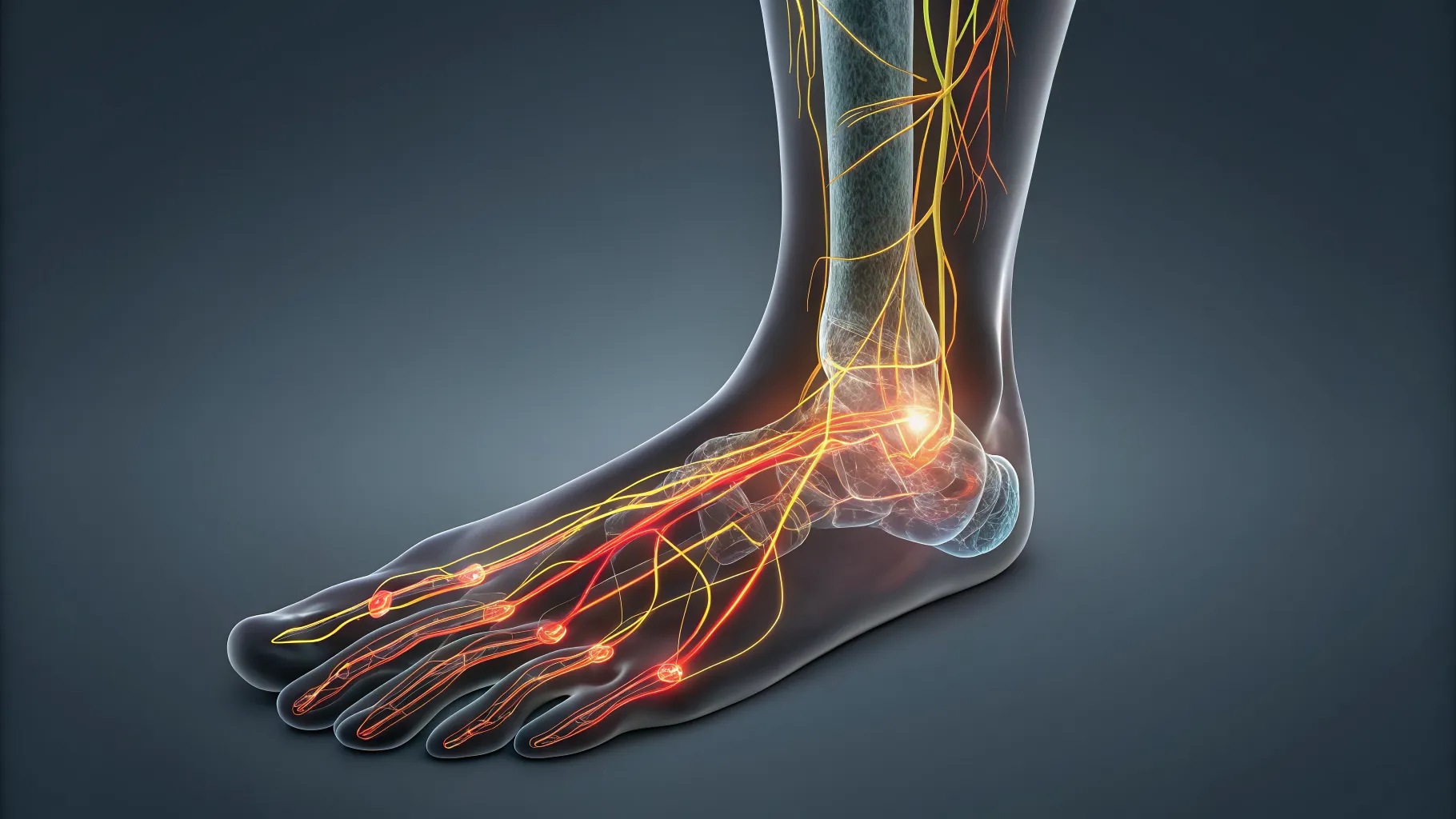
Experiencing persistent pins and needles, burning, or numbness in your extremities can be alarming and disruptive to daily life. This sensation, often described as tingling in hands and feet, is a hallmark of peripheral neuropathy, a condition resulting from damage to the peripheral nerves. These nerves form a complex communication network between your central nervous system (the brain and spinal cord) and the rest of your body. When they are damaged, this communication is interrupted, leading to a variety of uncomfortable and sometimes painful symptoms. Gaining a clear picture of the potential causes of nerve pain in hands and feet is the first critical step toward finding effective management strategies and relief from chronic hand and foot discomfort.
Common Medical Conditions That Trigger Nerve Pain
One of the most prevalent causes of nerve pain in hands and feet is diabetes mellitus. High blood sugar levels over extended periods can be toxic to nerves, leading to diabetic neuropathy. This condition often begins with mild tingling in hands and feet and can progress to severe pain and loss of sensation. Beyond diabetes, several other medical issues are known culprits. Autoimmune diseases, such as lupus, rheumatoid arthritis, and Guillain-Barré syndrome, can cause the body's immune system to mistakenly attack its own nerve tissues. Furthermore, deficiencies in essential vitamins, particularly B vitamins like B12, B6, and B1, are critical for nerve health. A lack of these nutrients can directly lead to nerve damage and the associated nerve pain symptoms. Infections like Lyme disease, shingles, and HIV/AIDS can also directly affect nerves, causing significant discomfort.
Lifestyle and Environmental Factors as Causes of Nerve Pain
Your daily habits and environment can play a significant role in nerve health. Chronic alcohol abuse is a major contributor, as it not only has a direct toxic effect on nerve tissue but also often leads to nutritional deficiencies that exacerbate the problem. Exposure to environmental toxins, including heavy metals like lead and mercury, as well as certain industrial chemicals and medications (especially some used in chemotherapy), can induce neuropathy. Another significant factor is physical trauma or pressure on nerves. Repetitive motion injuries, such as carpal tunnel syndrome, can compress nerves and lead to localized hand and foot discomfort. It is essential for understanding neuropathy to consider these external factors, as modifying them can sometimes halt or even reverse nerve damage.
Identifying and Understanding Nerve Pain Symptoms
The manifestation of nerve pain symptoms can vary widely from person to person, depending on which nerves are affected. Sensory nerves are most commonly involved, leading to a spectrum of sensations. These can include a gradual onset of numbness, prickling, or tingling in hands and feet, which can spread upward into your legs and arms. Many individuals report sharp, jabbing, throbbing, or burning pain. Extreme sensitivity to touch is another common symptom, where even light pressure can cause significant pain. In other cases, motor nerve damage can lead to muscle weakness, lack of coordination, and even paralysis. Autonomic nerve damage might affect functions like blood pressure, digestion, and bladder control. Accurately describing your specific nerve pain symptoms to a healthcare provider is crucial for a proper diagnosis.
The Diagnostic Process for Understanding Neuropathy
A thorough diagnosis is key to effectively managing the causes of nerve pain in hands and feet. The process typically begins with a comprehensive physical exam and a review of your medical history, including your symptoms, lifestyle, and any potential exposure to toxins. To confirm the diagnosis and pinpoint the underlying cause, your doctor may order several tests. Blood tests are essential for detecting vitamin deficiencies, diabetes, abnormal immune function, and other indicators of conditions that can cause neuropathy. For a more detailed look at nerve function, physicians often use nerve conduction studies (NCS) and electromyography (EMG). An NCS measures how quickly electrical signals travel through your nerves, while an EMG records the electrical activity in your muscles. In some cases, a nerve biopsy, where a small sample of a peripheral nerve is removed for examination, may be necessary for a definitive diagnosis and for a complete understanding neuropathy.
Actionable Steps to Manage Hand and Foot Discomfort
While addressing the underlying cause is paramount, several strategies can help manage the symptoms of nerve pain and improve your quality of life. Taking a proactive approach can significantly reduce hand and foot discomfort. Here are some effective steps:
- Maintain a Balanced Diet: Focus on a diet rich in fruits, vegetables, whole grains, and lean proteins. Pay special attention to sources of B vitamins, such as fish, poultry, meat, eggs, and dairy products, to support nerve health.
- Regular Exercise: Gentle, regular physical activity, such as walking, swimming, or yoga, can improve blood flow to your extremities, reduce pain, and improve muscle strength. Always consult a doctor before starting a new exercise regimen.
- Control Blood Sugar: If you have diabetes, strict management of your blood sugar levels is the single most important thing you can do to prevent the progression of neuropathy and alleviate nerve pain symptoms.
- Avoid Toxins: Limit alcohol consumption and take precautions to avoid exposure to industrial chemicals or heavy metals in your home or workplace.
- Proper Foot Care: Inspect your feet daily for blisters, cuts, or calluses, as nerve damage can reduce your ability to feel these injuries. Wear comfortable, well-fitting shoes to prevent pressure-related issues.
Frequently Asked Questions
Can the causes of nerve pain in hands and feet be reversed?
In some cases, yes. If the nerve pain is caused by a treatable underlying condition, such as a vitamin deficiency or alcohol abuse, addressing that cause can allow the nerves to heal and function to be restored. However, for chronic conditions like diabetic neuropathy, the focus is often on managing symptoms and preventing further damage.
Is tingling in hands and feet always a sign of a serious problem?
Not always. Temporary tingling can be caused by something as simple as pressure on a nerve from sitting or sleeping in an awkward position. However, if the tingling in hands and feet is persistent, recurrent, or accompanied by other nerve pain symptoms like pain or numbness, it is important to seek medical evaluation.
What is the first step in understanding neuropathy?
The first step is consulting with a healthcare professional. A doctor can perform a thorough evaluation to determine the specific causes of nerve pain in hands and feet in your case. Self-diagnosing can be dangerous, as it may delay treatment for a serious underlying condition.
References
- National Institute of Neurological Disorders and Stroke.
- The Foundation for Peripheral Neuropathy.
- American Diabetes Association.
- The Journal of the American Medical Association (JAMA).
Authored by FreshLifeWire team