Understanding the Causes of Nasal Polyps Growth
What Causes Nasal Polyps to Grow
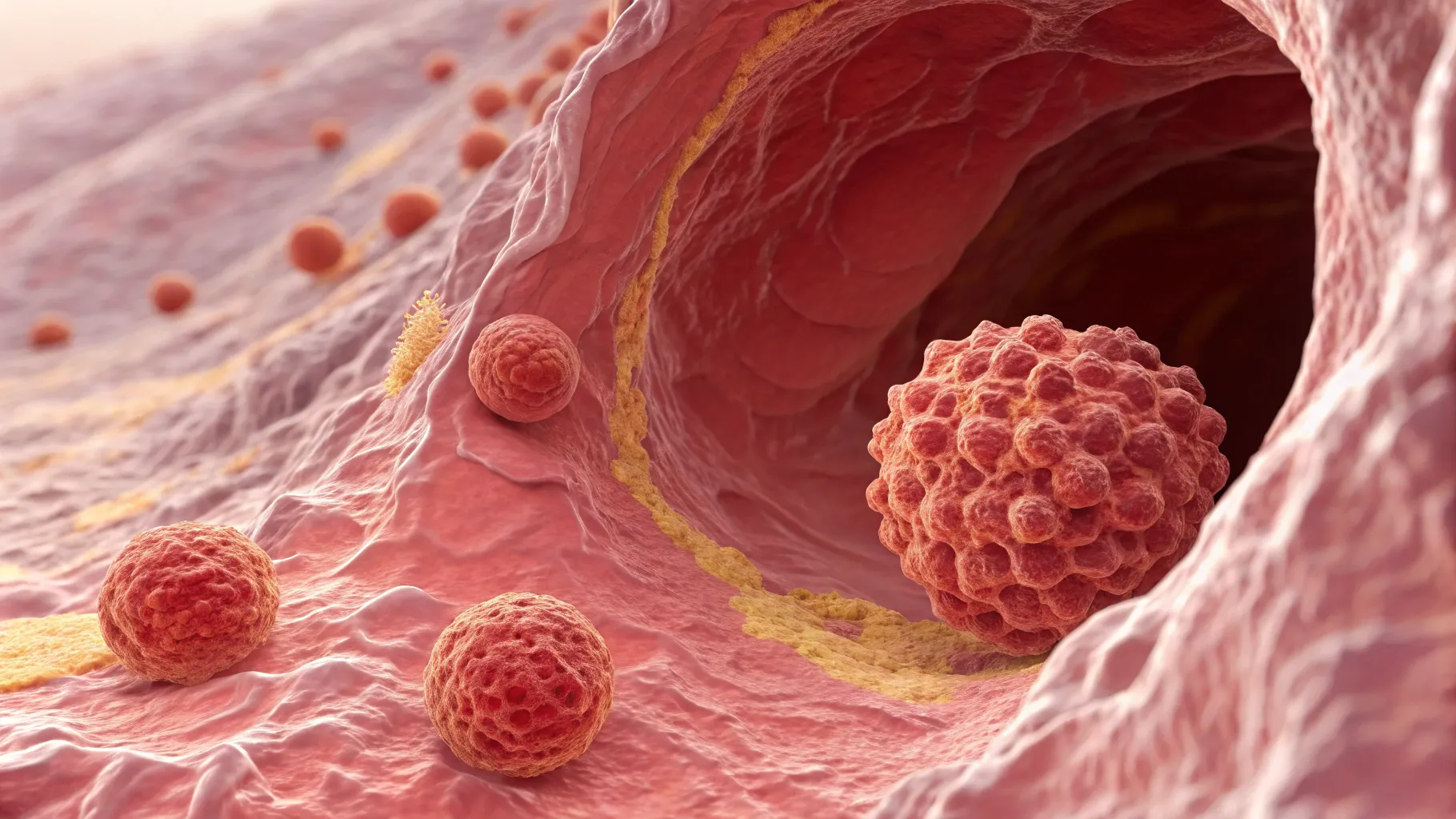
Nasal polyps are soft, noncancerous growths that often develop in the lining of the nasal passages or sinuses. In many cases, they appear as a direct consequence of chronic inflammation, which can stem from various underlying issues. Understanding what triggers nasal polyp growth is vital for effective management and symptom relief. Many people are unaware that these growths can significantly impact their quality of life, leading to difficulty in breathing and persistent sinus issues.
Chronic Inflammation and Allergies
Chronic inflammation of the nasal mucosa is one of the leading causes behind nasal polyps. Conditions that cause persistent inflammation, like allergic rhinitis, are particularly influential. Allergies initiate an immune response that leads to swelling and increased mucus production in the nasal passages. This continual cycle of inflammation not only irritates the nasal lining, but it creates an environment conducive to the formation of polyps over time.
- Does Allergy Cause Nasal Polyps? Yes, allergies contribute significantly. They lead to irritation and swelling that foster the growth of polyps.
Sinus Infections and Polyps
Chronic sinus infections also play a crucial role in the development of nasal polyps. The sinuses, when inflamed and infected, can increase the likelihood of polyps forming. Recent studies reveal that nearly 40% of individuals suffering from chronic sinusitis also have nasal polyps. This connection emphasizes the importance of managing sinus infections effectively to prevent the growth of polyps.
Additionally, those with recurring sinus infections may find it particularly challenging to keep polyps at bay. The inflammation and accompanying mucus can create a cycle wherein the nasal passages are perpetually swollen, making it difficult for individuals to breathe easily.
How Does Inflammation Lead to Nasal Polyps?
The intricate mechanisms by which inflammation leads to nasal polyp formation involve complex biological processes. Persistent inflammation can bring about significant changes in the structure of nasal tissue, leading to cellular proliferation—a process where cells multiply and contribute to tissue swelling. As this inflammation continues, the lining of the nasal passages becomes thickened and can ultimately result in polyp development.
During an inflammatory response, specific immune cells are activated and migrate towards the inflamed area. These immune cells secrete various signals, recruiting even more inflammatory cells, which can exacerbate the original swelling. Over time, this relentless cycle of inflammation can create an environment ripe for nasal polyps to thrive.
Risk Factors for Nasal Polyps
Recognizing the factors that heighten the risk of developing nasal polyps is essential for effective prevention and treatment. Common risk factors include:
- Asthma: Individuals with asthma often face a higher risk, particularly those who struggle to control their symptoms effectively.
- Allergic Conditions: Existing allergies, notably hay fever or seasonal allergies, can lead to increased chances of polyps due to heightened inflammation.
- Family History: Genetics play a notable role; individuals with a family history of nasal polyps may be predisposed to developing them themselves.
- Age: Adults, particularly those between 30 and 60, are more likely to experience nasal polyps.
Can Infections Contribute to Nasal Polyp Growth?
Infections, especially those affecting the upper respiratory tract, are another contributing factor to nasal polyp growth. For instance, viral infections like the common cold can trigger inflammation in the nasal passages. This inflammation quickly leads to swelling and creates an environment where polyp formation becomes more likely.
Furthermore, bacterial infections can complicate existing inflammation, leading to chronic sinusitis. This correlation underscores the importance of treating infections promptly and comprehensively, as they can exacerbate inflammation and ultimately contribute to polyp formation.
The Management of Nasal Polyps
Managing nasal polyps often requires a multifaceted approach to alleviate symptoms effectively. When polyps obstruct airflow or lead to significant sinus issues, treatment options become necessary. Common treatments encompass:
- Medications: Corticosteroids are frequently prescribed to reduce inflammation. These medications can help shrink polyps and enhance breathing abilities.
- Surgery: If polyps are particularly large or recurrent, surgical intervention may be warranted. The most common procedure is endoscopic sinus surgery, which can remove polyps and clear out blocked sinuses.
A common concern post-surgery is whether nasal polyps can grow back. Unfortunately, the answer is affirmative; nasal polyps have a tendency to recur even after surgical removal. Consequently, it’s essential to manage underlying conditions, including asthma and allergies, to decrease the risk of their return.
Living with Nasal Polyps
For individuals living with nasal polyps, adopting specific lifestyle changes can prove beneficial. Staying well-hydrated aids in thinning mucus, while using a humidifier helps maintain moisture in the nasal passages. Over-the-counter antihistamines can also provide temporary relief from allergy symptoms, potentially reducing inflammation in the long term. Regular consultations with healthcare professionals allow for ongoing monitoring and management of the condition.
In summary, the growth of nasal polyps predominantly originates from chronic inflammation triggered by allergies, sinus infections, and other underlying health issues. By understanding these causes, individuals can take proactive steps in seeking effective treatments and making the necessary lifestyle adjustments to manage their symptoms and improve their overall well-being.
Authored by FreshLifeWire team