Understanding Bone Fragility Causes in Old Age
What Causes Fragile Bones in the Elderly
As people age, bone health often declines, leading to fragility and higher susceptibility to fractures. Many elderly individuals face challenges with osteoporosis, a widespread condition affecting approximately 54 million Americans. This raises a crucial point: what causes fragile bones in the elderly? Several key factors contribute to this issue, which include hormonal changes, nutritional deficits, lifestyle habits, and underlying health conditions.
Hormonal Changes
Hormones play a pivotal role in maintaining bone density. For women, one of the most significant changes occurs during menopause, when estrogen levels drop dramatically. Estrogen is vital for bone health as it helps protect against bone loss. Studies indicate that post-menopausal women experience up to 20% loss of bone density shortly after menopause begins. Men, on the other hand, gradually lose testosterone, which also impacts bone mass over time. Research from the past year highlights that hormonal changes significantly correlate with increased rates of osteoporosis among both genders, emphasizing the need for hormonal health management for older adults.
Nutritional Deficiencies
Another critical factor influencing bone health is diet. Many seniors struggle to consume adequate levels of calcium and vitamin D, both of which are essential for strong bones. Calcium facilitates bone formation and maintenance, and according to recent studies, a staggering 75% of older adults do not meet their daily calcium requirements. The recommendation is around 1,200 mg per day for those over 50. Vitamin D aids in calcium absorption; without it, bones may weaken despite sufficient calcium intake. A recent nutritional survey revealed that nearly two-thirds of seniors are deficient in vitamin D, which is alarming considering the role this vitamin plays in overall bone health.
- Calcium-rich foods: dairy products, leafy greens, and fortified cereals.
- Vitamin D sources: fatty fish, egg yolks, and exposure to sunlight.
Impact of Lifestyle Factors
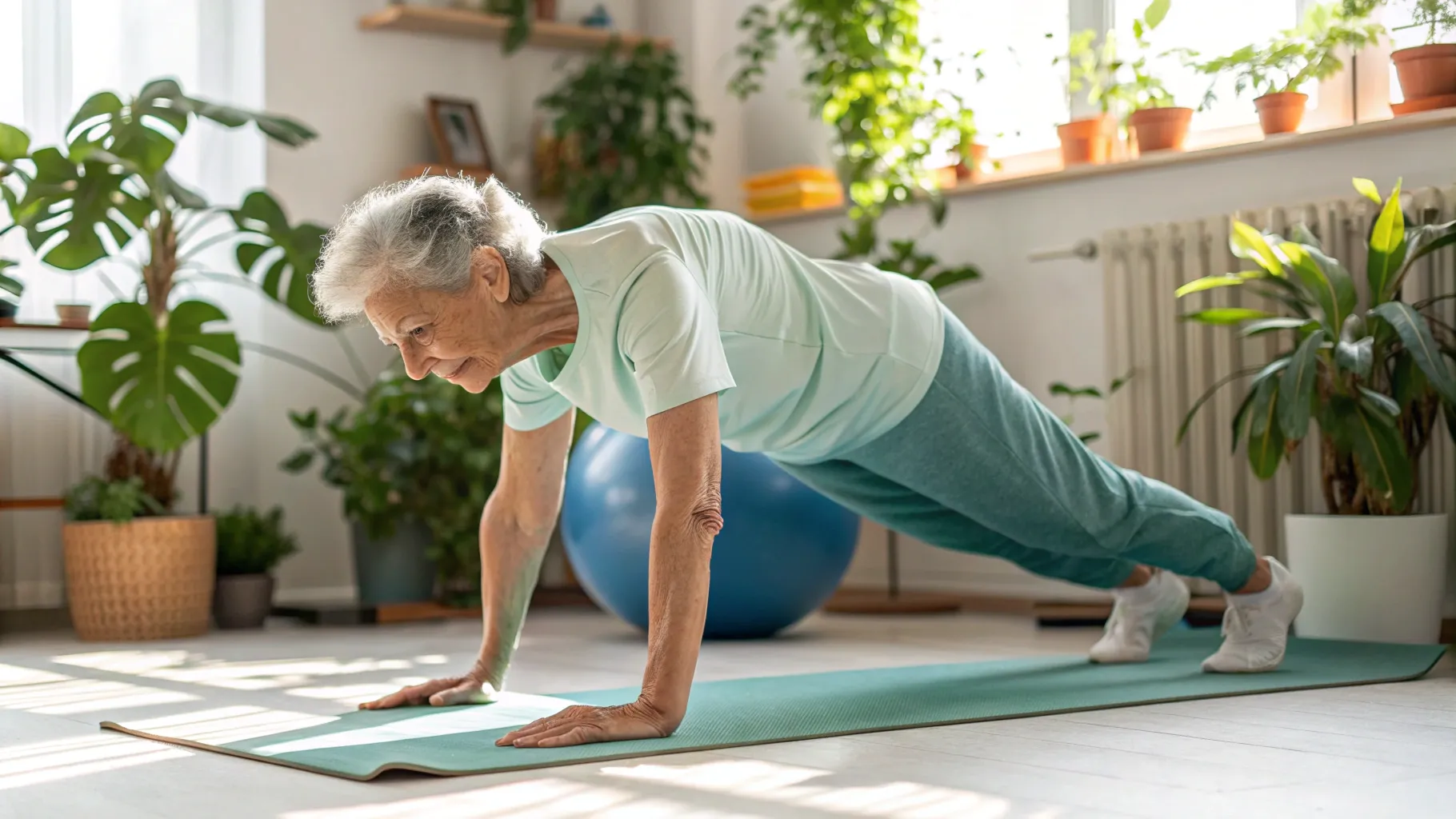
Lifestyle choices significantly affect bone strength. Lack of physical activity has been proven to decrease bone density. Sedentary behavior, which is common among seniors, hinders the bone-building process. Promoting an active lifestyle is crucial. Engaging in weight-bearing exercises, such as walking, dancing, or strength training, can significantly enhance bone density. The health guidelines suggest that adults participate in at least 150 minutes of moderate-intensity aerobic activity weekly. A recent study found that seniors who engage in regular exercise are 40% less likely to suffer falls related to weak bones.
Interestingly, social engagement through group activities, such as dance classes or exercise groups, encourages seniors to stay active while also reducing feelings of isolation, which can detrimentally affect mental well-being.
What Damages Bones Most in Seniors?
Researchers have pinpointed various health conditions that can exacerbate bone fragility. Chronic diseases such as rheumatoid arthritis, diabetes, and thyroid disorders can negatively impact bone health. Additionally, certain medications, particularly long-term use of corticosteroids and other drugs, have been linked directly to weakened bones. According to guidelines from the National Osteoporosis Foundation, nearly 60% of adult women with osteoporosis had been on long-term glucocorticoid therapy.
Moreover, the risk of falls is particularly pronounced among seniors who experience muscle weakness and balance issues. The problem is compounded by a staggering statistic: 1 in 3 older adults fall each year. Falls are the leading cause of injury-related deaths in seniors, with many stemming from fragility fractures.
How to Prevent Osteoporosis in Old Age
Fortunately, there are numerous strategies seniors can adopt to combat osteoporosis and improve bone health. Prevention is key, and it begins by understanding personal risk factors and making informed lifestyle decisions.
Nutrition and Supplements
A balanced diet rich in calcium and vitamin D is vital for bone health. Seniors should focus on increasing their intake of nutrient-dense foods. For those who have difficulty meeting these nutritional needs through diet alone, supplements can provide an effective alternative. It's essential, however, to consult a healthcare professional before starting any supplementation to avoid potential interactions with medications.
Exercise and Physical Activity
Creating a robust exercise regimen that includes aerobic, strength, and balance-training exercises is incredibly beneficial. Activities like tai chi and resistance training not only build bone density but can also enhance muscle strength and coordination, effectively reducing fall risks. Health experts assert that even moderate exercise can lead to improvements in bone health and overall physical function.
For instance, a community center in New England successfully launched an exercise program targeting seniors, resulting in a remarkable 60% reduction in fall-related injuries over the course of a year.
Avoiding Harmful Habits
Quitting smoking and limiting alcohol intake are critical for maintaining bone density. Smoking has been shown to accelerate bone loss, and excessive alcohol consumption can disrupt calcium balance and interfere with vitamin D absorption. Interestingly, data from a recent survey revealed that seniors who abstain from smoking and moderate their alcohol consumption exhibit significantly better bone health.
Maintaining a Healthy Weight
Maintaining an appropriate weight is essential for bone health. Being underweight can be equally detrimental, as there may not be sufficient bone mass to protect against fractures. Therefore, collaborating with healthcare providers or dietitians to create a tailored nutrition and exercise plan is crucial.
In summary, understanding the diverse factors contributing to bone fragility in older age can empower individuals to take proactive steps toward strengthening their bone health. Through proper nutrition, regular exercise, and adopting healthy lifestyle factors, seniors can enjoy enhanced resilience against osteoporosis, leading to a better quality of life.
Authored by FreshLifeWire team