Understanding Autumn Allergies Triggers and Symptoms
What Triggers Autumn Allergies
Autumn is a beautiful season, marked by changing leaves and a chill in the air, but for many, it brings a host of uncomfortable symptoms due to allergies. In 2025, studies reveal that as many as 30% of adults and nearly 40% of children are affected by seasonal allergies that peak during this time of year. Understanding what triggers autumn allergies can help you manage symptoms effectively.
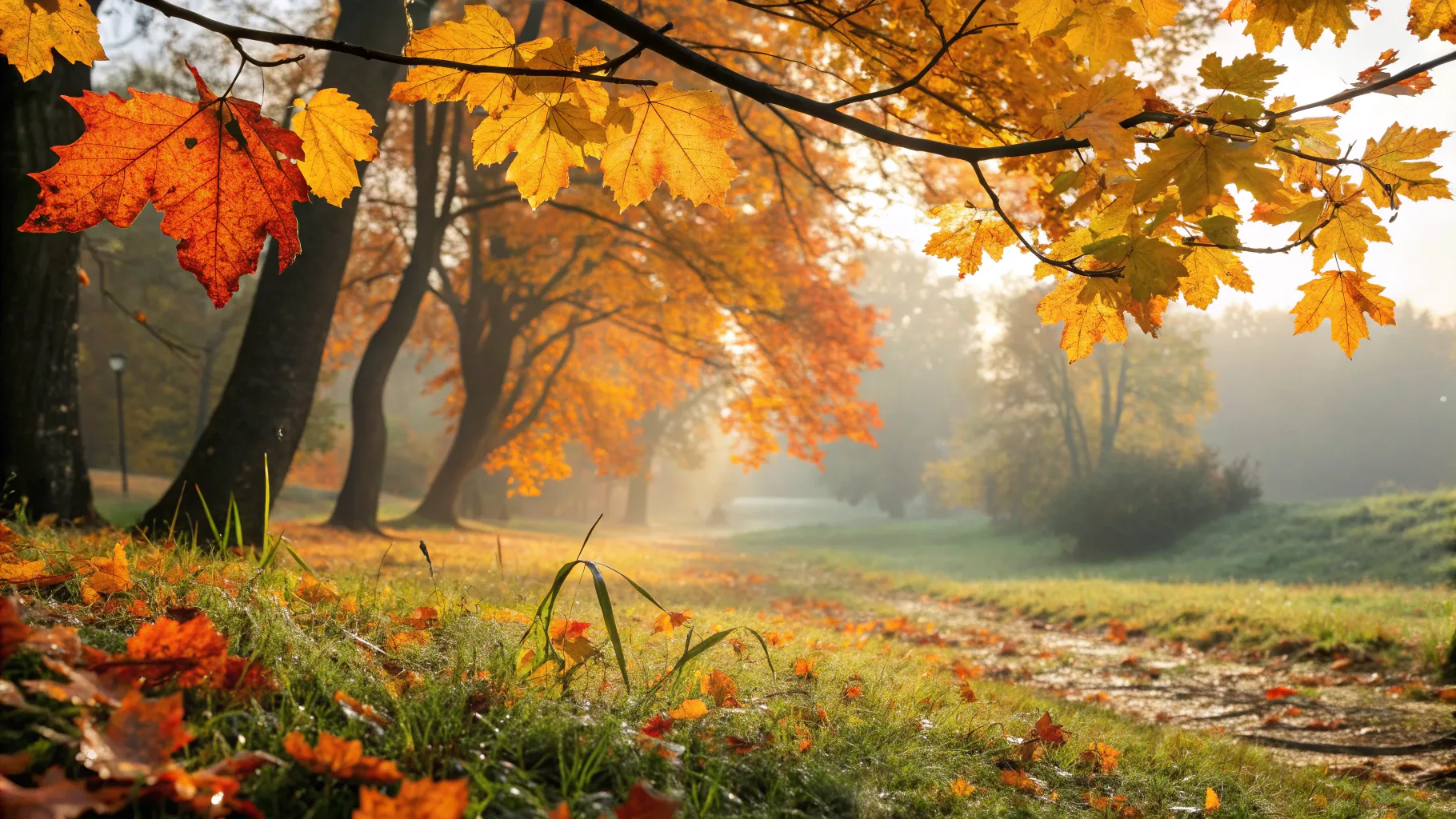
The primary triggers that contribute to autumn allergies are often found in both outdoor and indoor environments. Outdoor irritants like pollen from grass and weeds play a significant role, particularly from plants such as ragweed. Ragweed pollen can travel for hundreds of miles, meaning even if you don't have ragweed growing near your home, you may still be exposed. In fact, research shows ragweed pollen counts can begin in late summer and peak in the fall, coinciding with the onset of allergy symptoms.
Another outdoor culprit involves molds. With cooler temperatures and increased moisture levels from falling leaves, mold spores thrive and become airborne. Common sources include fallen leaves and damp wood, making it essential to be cautious during outdoor activities involving these materials.
Indoor vs Outdoor Fall Allergy Triggers
While outdoor allergies get a lot of attention, indoor allergens contribute significantly to autumn allergies as well. As we transition to the fall season, we often spend more time indoors, where allergens like dust mites, pet dander, and mold can cause reactions. Dust mites flourish in warm, humid areas, and autumn is the perfect time for them to thrive.
It's noteworthy that mold allergies can stem not only from outdoor exposure but also from damp basements or unventilated corners of your home. Keeping indoor spaces dry and well-ventilated is crucial to minimize mold growth and its associated allergens.
To effectively identify whether your symptoms are related to pollen or mold, consider tracking when your symptoms occur. If symptoms worsen after outdoor activities in the morning or late afternoon, pollen is likely your trigger. If symptoms persist regardless of time spent outdoors, indoors allergens could be at fault.
Common Seasonal Allergy Symptoms in Fall
Seasonal allergies can manifest a variety of symptoms that impact daily life. Typical symptoms include:
- Runny or stuffy nose
- Sneezing
- Itchy or watery eyes
- Coughing
- Fatigue
- Throat irritation
Identifying these symptoms is vital for timely intervention and management. Many people may mistake these symptoms for a cold, but allergy symptoms typically persist without the presence of fever, and they may last for an extended period, particularly when triggered by specific allergens.
Identifying Pollen and Mold Allergies in Autumn
One effective method for identifying whether you have pollen or mold allergies is through testing. Allergy tests, available from most healthcare providers, can reveal specific sensitivities to indoor and outdoor allergens. Additionally, monitoring local pollen counts can guide you when to limit outdoor activities. Numerous apps now provide real-time pollen data tailored to your location, making managing your exposure easier than ever before.
If you suspect mold as a trigger, look for visible signs in your home, such as discoloration or a musty smell. The CDC recommends using colorless, odorless mold test kits for a comprehensive analysis of indoor mold spores.
Prevention of Autumn Allergies
Preventing autumn allergies involves proactive measures. Here are several strategies to minimize exposure to allergens:
- Monitor Pollen Counts: Use online resources or weather apps to check local pollen levels before heading outside.
- Limit Outdoor Activities: Try to stay indoors on high-pollen days, especially during morning hours when pollen counts tend to be at their peak.
- Use Air Purifiers: Consider installing HEPA filters in your home to trap allergens and improve indoor air quality.
- Keep Windows Closed: Use air conditioning if possible, as this helps filter out outdoor allergens.
- Clean Regularly: Frequent cleaning helps reduce indoor allergens. Use a damp cloth to dust surfaces and wash bedding in hot water.
By taking these preventive steps, you can significantly reduce your exposure to fall allergens, helping you enjoy the beauty of the season without suffering from allergic reactions.
Managing Allergic Reactions During Fall
Even with diligent prevention measures, it may not be possible to avoid allergies altogether. When symptoms arise, managing them effectively becomes crucial. Over-the-counter antihistamines can offer relief for many, but consulting with a healthcare provider can help you explore prescription options for more severe symptoms.
Additionally, natural remedies such as saline nasal rinses or steam inhalation can help alleviate congestion and improve comfort. Staying hydrated and consuming anti-inflammatory foods may also support overall health and recovery during allergy season.
In summary, understanding what triggers autumn allergies is vital for effective management. By recognizing symptom patterns, monitoring allergen levels, and employing preventive measures, you can navigate the fall season with greater ease. With 2025 bringing increased awareness and education about allergies, more resources are available than ever to mitigate the impact of autumn allergies on your life.
Authored by FreshLifeWire team