Understanding Atrial Fibrillation
What is Atrial Fibrillation?
Atrial fibrillation, commonly referred to as AF or Afib, is a heart condition that affects millions worldwide. In 2025, it continues to be one of the most prevalent cardiac arrhythmias, characterized by rapid and irregular beating of the atrial chambers of the heart. This can lead to blood clots, stroke, or other heart-related complications.
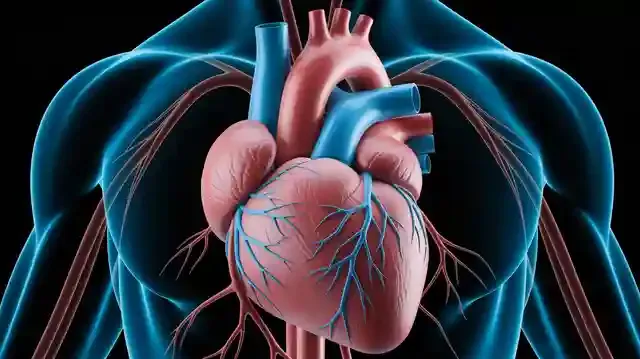
The atria, the heart's two upper chambers, normally beat in a coordinated rhythm with the ventricles, the heart's lower chambers. However, in atrial fibrillation, the electrical signals that regulate the heartbeat become chaotic, causing the atria to quiver erratically. This disruption can significantly impact one's quality of life.
Symptoms and Causes of Atrial Fibrillation
AF can manifest in different ways, and its symptoms can vary widely among individuals. Some people experience noticeable symptoms such as palpitations, dizziness, shortness of breath, or fatigue. Others may have silent AF, where the arrhythmia is undetected unless a healthcare professional conducts an examination.
In terms of causes, several risk factors contribute to the development of AF:
- Age: The risk increases with age, particularly for those over the age of 60.
- Cardiovascular Disease: Heart issues like hypertension, heart valve disease, and coronary artery disease can predispose individuals to AF.
- Lifestyle: Smoking, heavy alcohol use, and obesity are modifiable risk factors.
- Other Medical Conditions: Diabetes and sleep apnea are also linked to a higher risk of developing atrial fibrillation.
Understanding these factors can aid in reducing the incidence and prevalence of AF.
Current Treatments for Atrial Fibrillation in 2025
The treatment of atrial fibrillation is multifaceted and advances continue to transform patient care. As of 2025, the primary goals are to restore normal heart rhythm whenever possible, manage symptoms, and prevent complications such as stroke. Several approaches are used:
Medications: Anti-arrhythmic drugs aim to control heart rhythm, while rate control medications help manage the heart rate. Anticoagulants are prescribed to reduce the risk of blood clots and strokes. New pharmacological innovations in recent months have focused on developing drugs with fewer side effects and more targeted actions.
Catheter Ablation: This procedure involves threading a catheter through blood vessels to the heart to destroy problematic heart tissue, using radiofrequency energy. In 2025, advancements have made ablation more effective and less invasive, with improved recovery times.
Lifestyle Modifications: Patients are encouraged to adopt heart-healthy habits. Regular exercise, a balanced diet rich in omega-3 fatty acids, and minimal alcohol consumption can mitigate AF symptoms and complications.
Wearable Technology: Innovative cardiac monitoring devices are now more accessible, allowing patients to track their heart rhythm in real time and alert healthcare providers to irregularities sooner.
Personal Stories and Case Studies
Recent case studies have highlighted the effectiveness of a combined approach in managing AF symptoms. For instance, John, a 65-year-old who was diagnosed with AF last year, shares his journey: 'After my diagnosis, I was frightened. But my doctor recommended a comprehensive plan. I take my medication regularly, follow a Mediterranean diet, and wear a heart monitor. These changes have made a huge difference in my life.'
Similarly, Marie, a 58-year-old, underwent catheter ablation in early 2025. She recounts, 'The procedure was less daunting than I expected. The recovery was swift, and now I feel a significant improvement in my energy levels.'
These personal accounts emphasize the importance of patient-centered care and technology in managing atrial fibrillation successfully.
Authored by Neda