Understanding Atopic Dermatitis Symptoms and Treatments
What is Atopic Dermatitis and How is it Treated?
Atopic dermatitis, often referred to simply as eczema, is a chronic skin condition characterized by inflammation, redness, and itching. It commonly starts in childhood but can also develop in adults. According to recent studies, approximately 18 million adults and 9 million children in the United States are affected by atopic dermatitis. The hallmark of this condition is its fluctuating nature, meaning that patients often experience flare-ups and periods of remission.
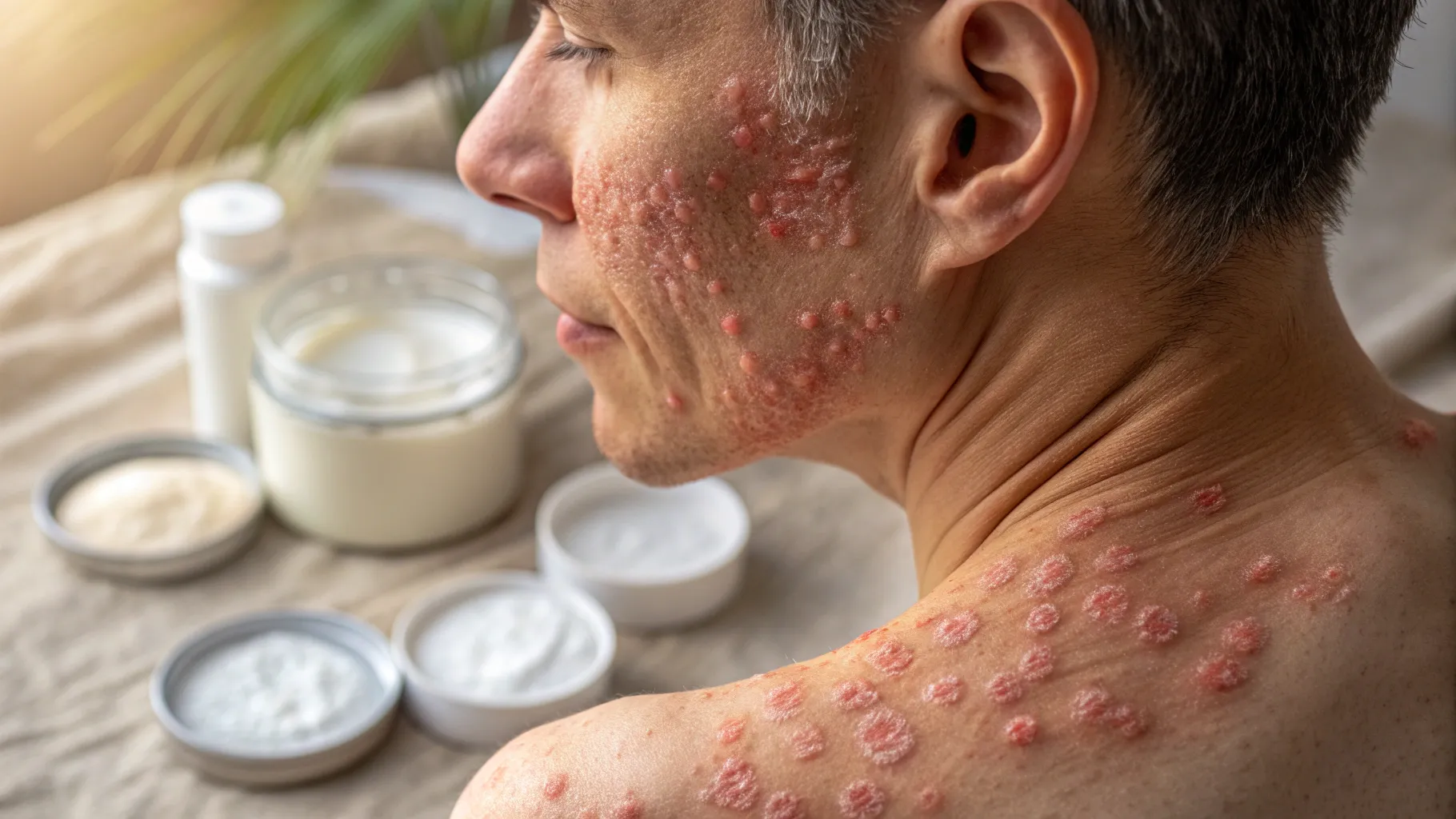
Treatment for atopic dermatitis primarily focuses on controlling symptoms and preventing flare-ups. Patients are often advised to use emollients regularly, which help to moisturize the skin and restore its protective barrier. The inclusion of topical corticosteroids can help manage inflammation during flare-ups. For more severe cases, dermatologists may recommend systemic treatments such as immunosuppressants or biologics like dupilumab, which have shown significant effectiveness in managing moderate to severe atopic dermatitis.
How to Recognize Symptoms of Atopic Dermatitis
Recognizing the symptoms of atopic dermatitis is crucial for timely management and treatment. Key symptoms include:
- Dry, itchy skin: This is often the first symptom noticed, and it can lead to excessive scratching and further skin damage.
- Red or brownish-gray patches: These can appear anywhere on the body but are commonly seen on the hands, feet, ankles, neck, upper chest, eyelids, inside the bends of the elbows and knees.
- Thickened, leathery skin: Known as lichenification, this occurs due to prolonged itching and rubbing of the skin.
- Small, raised bumps: These may leak fluid and crust over when scratched.
In children, the symptoms may manifest differently, with dry patches often appearing on the scalp and face.
Can Atopic Dermatitis be Cured or Prevented?
As of 2025, atopic dermatitis cannot be cured completely, but it can be effectively managed through preventive strategies and treatment options. Understanding the triggers that lead to flare-ups is vital for prevention. Common triggers include:
- Allergens (dust mites, pet dander)
- Irritants (soaps, detergents)
- Extreme temperatures and humidity
- Stress and hormonal changes
Identifying and avoiding these triggers can significantly reduce the frequency and severity of flare-ups. Keeping the skin hydrated and following a regular skincare routine are also preventive measures.
What Causes Atopic Dermatitis Flare-Ups?
Flare-ups of atopic dermatitis are often linked to various external and internal factors. Recent research indicates that environmental factors, such as pollution, climate change, and increased exposure to allergens, can exacerbate the condition. Furthermore, emotional stress has been shown to impact the immune response, potentially leading to more severe outbreaks.
Moreover, disruptions in the skin's microbiome have also emerged as a contributing factor. Bacteria such as Staphylococcus aureus can proliferate on the skin, causing inflammation and worsening symptoms. Maintaining a healthy skin microbiome through proper skincare is essential for managing atopic dermatitis effectively. In the past few months, studies have highlighted the potential benefits of products containing prebiotic and probiotic ingredients aimed at restoring skin balance.
How is Atopic Dermatitis Diagnosed?
Diagnosing atopic dermatitis typically involves a thorough examination of the patient’s medical history and a physical examination of the skin. Dermatologists often look for specific patterns in the rash and consider the patient’s age, symptoms, and family history of allergies. Sometimes, allergy testing may be recommended to identify potential allergens that could be contributing to the condition.
In recent years, advancements in diagnostic techniques, including skin biopsy and blood tests, have also been utilized to differentiate atopic dermatitis from other skin conditions. These methods help to clarify the diagnosis, particularly in complex cases or when other types of eczema are suspected.
Treatment Options for Atopic Dermatitis Patients
Treatment options for patients with atopic dermatitis are continually evolving, with a focus on personalized care. As mentioned earlier, moisturizing creams and topical corticosteroids are foundational treatments. However, other therapies might be recommended based on the severity of the condition. These include:
- Topical Calcineurin Inhibitors: Such as tacrolimus and pimecrolimus, these anti-inflammatory medications are beneficial for sensitive areas like the face, where long-term use of steroids is not advisable.
- Phototherapy: Ultraviolet light therapy has shown promise for those with moderate to severe atopic dermatitis, especially when topical treatments are insufficient.
- Systemic Medications: For patients with severe disease, systemic therapies such as oral steroids or newer biologic agents may be prescribed. Dupilumab, an injectable biologic, has been groundbreaking in managing chronic atopic dermatitis.
Continual research into new agents and treatment protocols is expanding the possibilities for effective management of atopic dermatitis.
Difference Between Eczema and Atopic Dermatitis
The term "eczema" is often used interchangeably with atopic dermatitis, but it actually refers to a broader category of skin conditions characterized by inflammation and irritation. Atopic dermatitis is a specific type of eczema, related closely to allergies and asthma. While all atopic dermatitis is eczema, not all eczema is atopic dermatitis. Other forms of eczema include contact dermatitis, dyshidrotic eczema, and seborrheic dermatitis, each having distinct symptoms and triggers.
How to Manage Atopic Dermatitis at Home
Managing atopic dermatitis effectively often begins at home. Here are several practical tips:
- Moisturizing: Consistently applying emollients is key. Choose fragrance-free creams and ointments that help lock in moisture.
- Pursue a Gentle Skincare Routine: Avoid harsh soaps and adopt a mild cleanser suitable for sensitive skin.
- Bathe Wisely: Take lukewarm baths or showers, and apply moisturizers immediately afterward to trap hydration in.
- Wear Soft Fabrics: Clothing made from cotton and other soft fabrics can help prevent irritation on sensitive skin.
- Practice Stress Management: Techniques like mindfulness, yoga, or meditation can help reduce stress-induced flare-ups.
By implementing these strategies, individuals managing atopic dermatitis can achieve better skin health and improved quality of life.
Authored by FreshLifeWire team