Understanding Atopic Dermatitis First Signs and Treatment
What Is Atopic Dermatitis
Atopic dermatitis, also known as eczema, is a chronic skin condition that impacts millions of people globally, causing discomfort and self-consciousness. It's marked by red, inflamed patches of skin that can be extremely itchy and often leads to the skin becoming dry and cracked. While it can affect anyone at any stage of life, atopic dermatitis is most prevalent among children, with studies indicating that about 20% of kids and 1-3% of adults are currently affected by this condition.
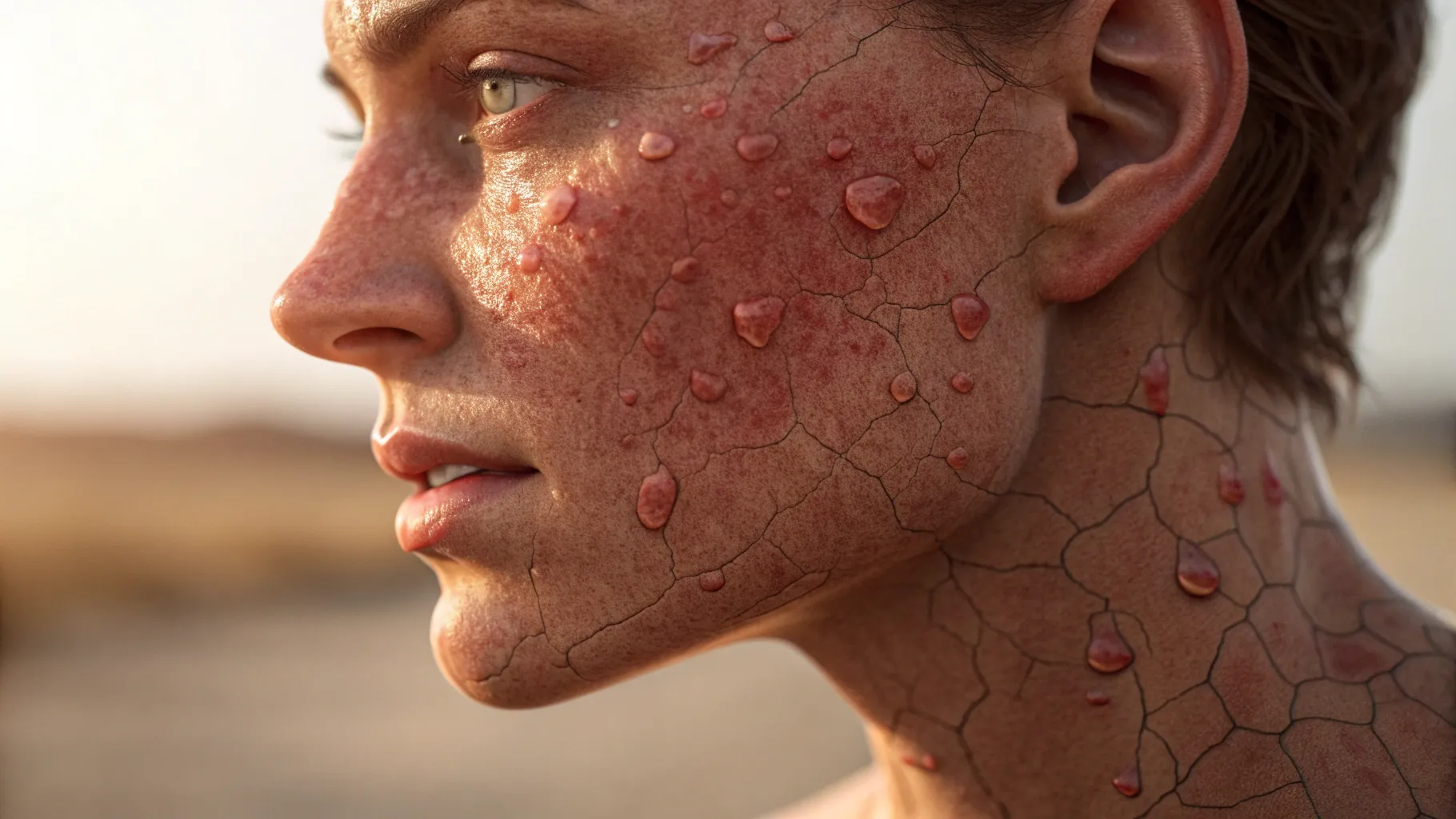
The underlying causes of atopic dermatitis are complex and not entirely understood. Researchers believe that a combination of genetic predisposition, environmental factors, and immune system irregularities play significant roles in its development. For instance, individuals with a family history of allergies, asthma, or eczema are at higher risk of experiencing this skin condition.
Identifying the First Signs of Atopic Dermatitis
Recognizing the early symptoms of atopic dermatitis is crucial for effective management and treatment. The initial signs can differ widely from person to person, but common indicators include:
- Dry and Rough Patches: Skin in affected areas may feel unusually dry, leading to discomfort.
- Red or Brownish-Gray Patches: These often crop up on the hands, feet, neck, eyelids, and inside the bends of elbows and knees.
- Intense Itching: One of the hallmarks of eczema is severe itching, typically worsening at night, which can lead to skin damage from scratching.
- Thickened Skin: Continuous scratching may result in leathery, thickened skin that can develop over time in the same region.
- Small Fluid-Leaking Bumps: These might appear on the skin, potentially crusting over when scratched.
- Skin Discoloration: Chronic eczema can lead to changes in skin color in afflicted areas.
Early attention to these symptoms not only helps in managing the condition but also reduces the risk of more severe flare-ups, improving quality of life for those affected.
Factors That Influence Atopic Dermatitis Onset and Worsening
Several factors can trigger the onset or worsening of atopic dermatitis. Understanding these triggers can greatly aid in prevention and treatment:
- Genetics: Individuals with an ancestry of allergic conditions are more likely to experience atopic dermatitis themselves.
- Environmental Irritants: Everyday substances like soaps, detergents, and rough fabrics can irritate the skin. Changes in season and humidity can exacerbate symptoms as well.
- Allergens: Common allergens such as pollen, mold, pet dander, and dust mites can provoke inflammation and aggravate the skin condition.
- Stress Levels: Emotional or physical stress is known to contribute to flare-ups, likely due to its effect on the immune response and inflammation.
- Dietary Considerations: Certain food allergies or sensitivities, particularly to eggs, dairy, or nuts, can worsen skin symptoms, especially in the pediatric population.
Being mindful of these factors and keeping a personal diary to track potential triggers can empower individuals to take control of their condition and mitigate flare-ups.
Diagnosing Atopic Dermatitis
When it comes to diagnosing atopic dermatitis, healthcare professionals typically start with a detailed medical history and a thorough physical examination. Dermatologists look for familiar symptoms of eczema while also taking into account any family history of allergic conditions.
In some instances, skin tests may be necessary to identify specific allergens, particularly when food allergies are suspected. The latest trends in dermatology advocate using standardized screening tools to assess the severity of the condition effectively, ultimately guiding more individualized treatment options. For cases that present atypically or are refractory to standard treatment, further examinations may be warranted to differentiate between atopic dermatitis and other skin disorders, such as psoriasis or contact dermatitis.
Effective Treatment Options for Atopic Dermatitis
Treating atopic dermatitis involves a tailored approach aimed at addressing the unique needs of each patient. The treatment protocol generally encompasses a combination of lifestyle changes and medical therapies.
- Moisturization: Keeping the skin well-hydrated is one of the most essential strategies. Emollients should be applied generously, ideally within minutes of bathing to help trap moisture.
- Topical Corticosteroids: These anti-inflammatory medications can effectively reduce swelling, redness, and itching during flare-ups. Doctors usually recommend low-potency corticosteroids for sensitive areas and stronger ones for thicker skin.
- Calcineurin Inhibitors: Medications like tacrolimus and pimecrolimus are valuable for reducing inflammation and itching without some of the adverse effects associated with long-term steroid use.
- Phototherapy: Exposing the skin to controlled doses of ultraviolet light can be beneficial for many patients with moderate to severe atopic dermatitis.
- Oral Medications: In chronic or severe cases, healthcare providers may prescribe oral corticosteroids or immunosuppressants to gain control over the condition.
- Biologic Treatments: Recent advances in treatment have seen the introduction of biologics like dupilumab, specifically targeting pathways involved in the inflammatory processes of eczema. These therapies have shown promising results in clinical trials conducted in the past year.
Given the multifaceted nature of atopic dermatitis, an integrative approach to address symptoms while also minimizing the risk of flare-ups is essential. Continuous follow-ups with healthcare professionals can optimize individualized care plans, especially as new treatments enter the market.
Authored by FreshLifeWire team