Understanding and Reducing Your Heart Disease Risk
Explore Heart Disease Risk Factors in 2025: Prioritize Your Heart Health
Heart disease remains a formidable global health challenge, still claiming the unfortunate title of the leading cause of death worldwide. In 2025, the focus on understanding and mitigating heart disease risk factors is more pronounced than ever. This year, diverse methodologies concentrate on the improvement of awareness and prevention. Key elements include cholesterol management, blood pressure control, lifestyle habits, and genetic dispositions. Are you ready to dive deeper into these factors affecting your heart health?
A Comprehensive Guide to Cholesterol: Balance is Key
You may think of cholesterol as the villain, but not all cholesterol is harmful. Understanding the difference between LDL and HDL cholesterol is crucial. LDL, or "bad" cholesterol, can accumulate in the arteries, creating blockages that heighten heart disease risk. Meanwhile, HDL cholesterol comes to the rescue by helping remove LDL from your blood. In 2025, there's been a 15% increase in cholesterol awareness. This rise reflects people taking proactive steps towards monitoring their lipid profiles, with many striving to maintain LDL at <100 mg/dL and HDL >60 mg/dL.
Why is balancing cholesterol levels important? Effectively managing your cholesterol helps reduce plaques that can lead to heart attacks and strokes. Restaurants and food manufacturers are leaning towards offering healthier options substantiated with certifications, making it easier for consumers to make informed dietary choices.
High Blood Pressure: The Silent Threat
High blood pressure, or hypertension, quietly impacts one-third of adults in Europe over the age of 40. This "silent killer" often goes unnoticed until serious health complications arise, posing a significant threat to cardiovascular health. Ideal readings rest at 120/80 mmHg, but many are unaware of their levels.
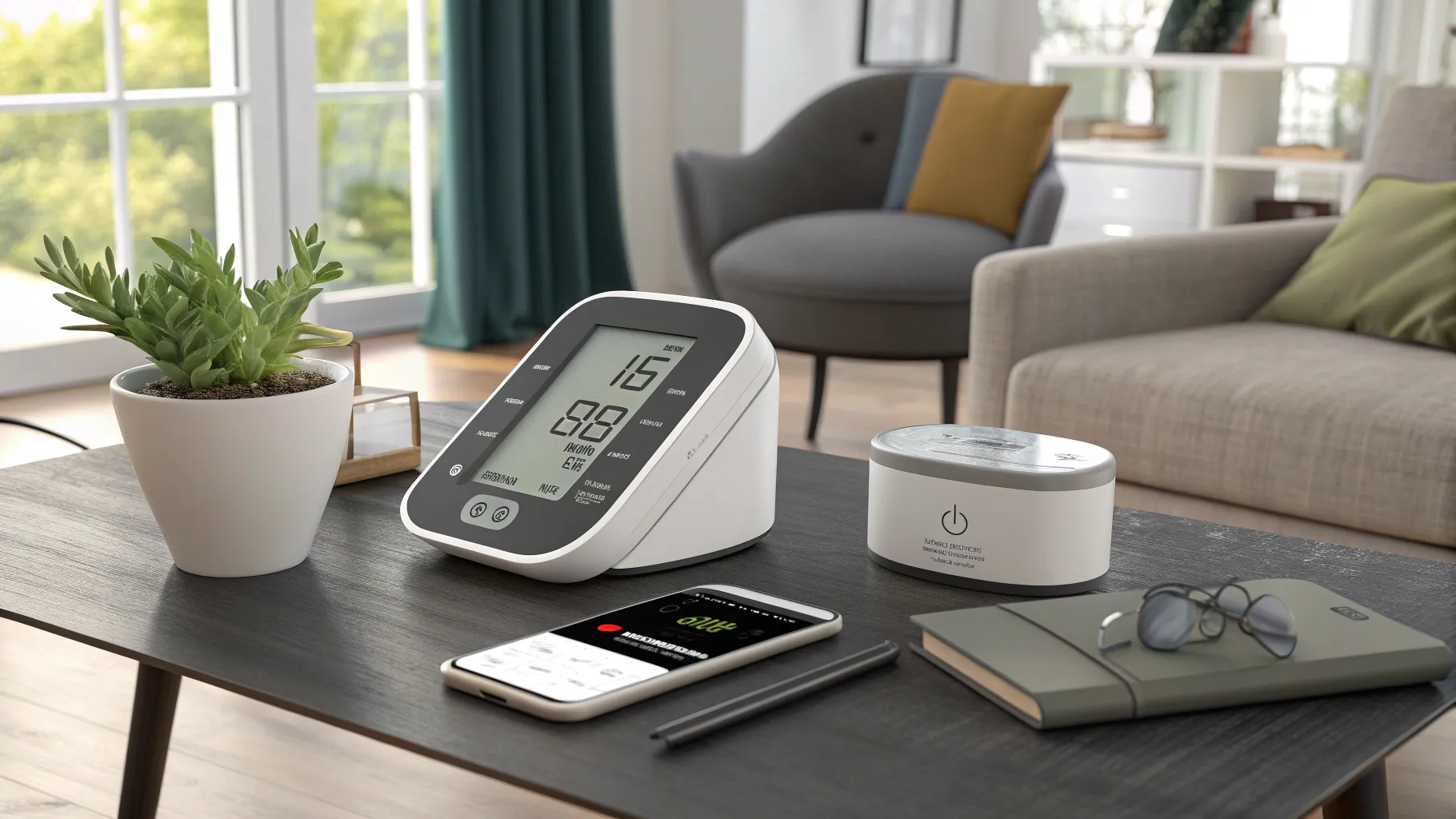
Modern solutions, such as wearable tech, are prevalent and accessible, allowing you to track blood pressure and encourage lifestyle changes. These gadgets serve as daily reminders to engage in active monitoring. Incorporating exercise, reducing sodium, and managing stress are increasingly recognized as effective strategies to counter hypertension.
The Lifestyle Shift: Embrace Heart Health Habits
What if the keys to a healthier heart were within your reach? The world is rallying behind heart-healthy lifestyle changes that can make a meaningful difference. Current guidelines recommend at least 150 minutes of moderate physical activity per week. In 2025, a global survey reveals a 25% dip in heart disease symptoms among consistent exercisers, encouraging a splash of movement into daily routines.
Another critical lifestyle change involves ditching tobacco products and moderating alcohol intake. Both moves deliver substantial benefits for heart health and longevity. Communities worldwide report initiatives offering smoking cessation workshops and incentives to pursue healthier lifestyles.
Perhaps you've heard of the Mediterranean diet, a popular pillar in dietary regimens associated with heart disease reduction. Celebrities and influencers share testimonials about how Mediterranean-inspired meals — packed with olive oil, whole grains, nuts, and local produce — have transformed their health narratives. Emphasizing fresh, nutrient-dense foods continues to empower many, lowering heart disease occurrence by 20% over two years, as emerging studies demonstrate.
Examining Genetics: More Than Inherited Risks
Your genes may hold secrets about your health, but recent studies show genetics aren't the sole dictators of heart disease fate. If you have a family history, it's time to start conversations about heart health. This genetic insight needn't be daunting, as evidence suggests healthy lifestyles can still outweigh genetic predispositions. Research highlights proactive behavior — think balanced diets, regular workouts, and stress management — as potent tools to counteract hereditary risks.
Access to genetic counseling is expanded, providing tailored guidance that pairs genetic information with lifestyle advice, optimizing heart health strategies.
Early Detection and the Tech Advantage
Technology is no longer a luxury but a vital player in preventive care. The prominence of health gadgets in 2025 reflects a cultural movement toward proactive engagement instead of reactive treatment. Devices that sync to smartphones track heart rates, sleep patterns, and more, pushing self-awareness to the forefront.
Screenings, including cholesterol tests and blood pressure measurements, remain essential. In the last six months, there's been increased attendance in yearly health check-ups, reflecting an awareness that prevention is a powerful weapon. The benefits of having tailored dietary and exercise advice underscore that genuine care can alter one's course.
In 2025, preserving heart health integrates technological advancements with human touch and personalized care approaches. By embracing comprehensive heart health strategies — from monitoring technology to lifestyle modifications — the future holds promises that today's generations are ready to explore fully.
Authored by FreshLifeWire team