Uncover Hidden Signs of Bronchiectasis for Better Health
Understanding the Hidden Signs of Bronchiectasis
In the landscape of respiratory diseases, bronchiectasis often lurks quietly, masked by symptoms that can be mistaken for other conditions. This chronic lung disease, characterized by the abnormal dilation of the bronchi, can lead to serious complications if left untreated. As we navigate through 2025, awareness of its symptoms is crucial. Here, we dive into five hidden signs of bronchiectasis that might be easily overlooked, yet play a pivotal role in diagnosis and treatment.
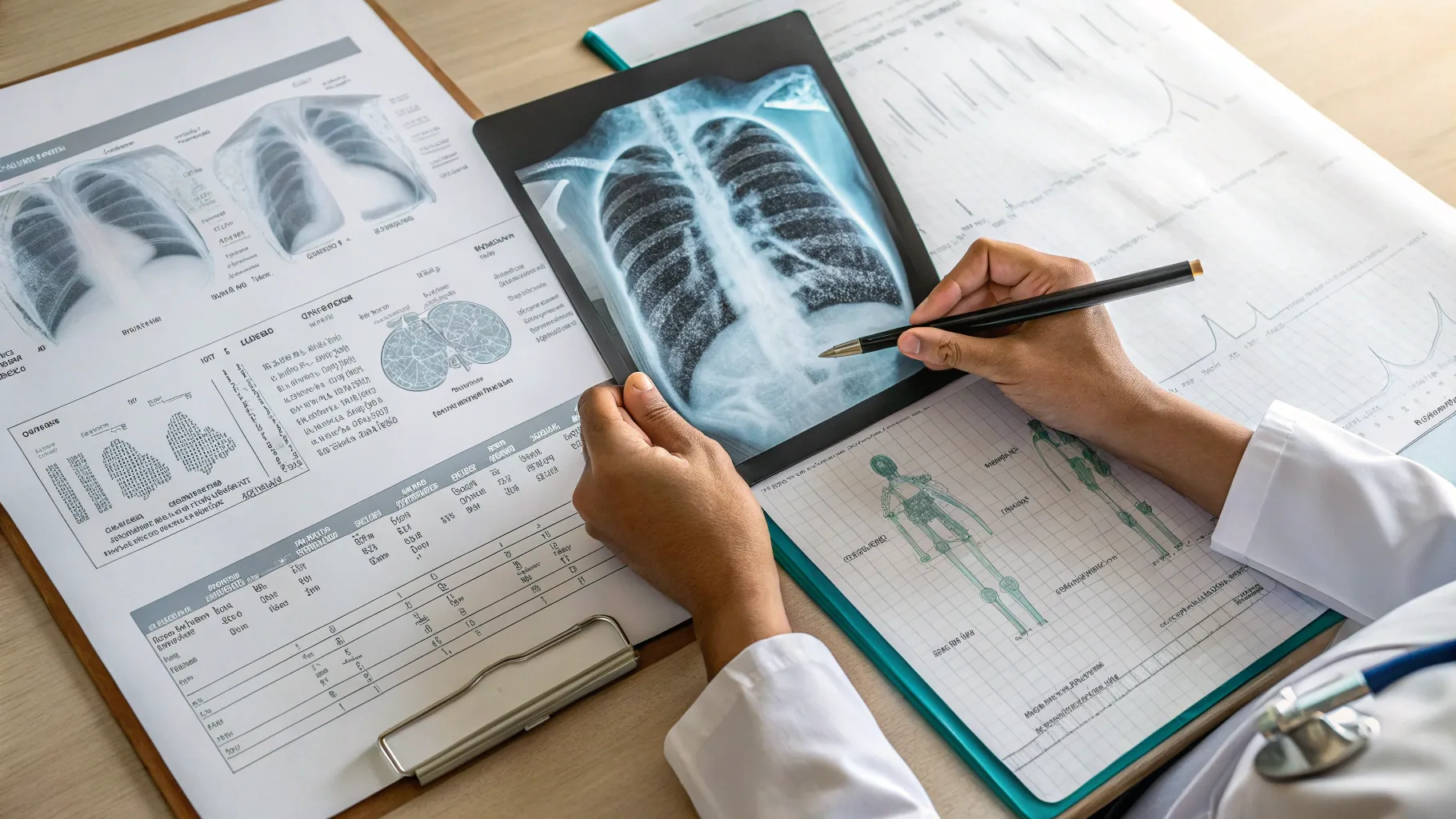
1. Frequent Chest Infections
One of the hallmark signs of bronchiectasis is the tendency to experience frequent chest infections. Patients often report several episodes of pneumonia or bronchitis throughout the year. This recurring cycle results from the lung's ineffective clearance mechanism, leading to the build-up of mucus that becomes a breeding ground for bacteria. According to recent studies, individuals with bronchiectasis may encounter up to six or more respiratory infections annually, compared to the average adult's one to three. This frequency can go unnoticed, especially if the infections are mild or treated as separate, isolated incidents.
2. Persistent Productive Cough
A productive cough is another subtle yet persistent symptom of bronchiectasis. Unlike an occasional cough associated with a cold, this cough is chronic and produces mucus that can vary in consistency and color. As many patients might chalk this up to seasonal allergies or cold symptoms, it’s essential to recognize the pattern. Over time, the mucus buildup signifies the underlying issues in lung health. Many find themselves dismissing this cough until it becomes too disruptive, often exacerbated by exposure to environmental irritants.
3. Subtle Shortness of Breath and Fatigue
While shortness of breath is often a clear indicator of respiratory problems, in bronchiectasis, it can be subtle. Patients frequently report feeling slightly short of breath during routine activities, but it can be easily attributed to aging or general fitness levels. This feeling may accompany fatigue, which can also be brushed off as a byproduct of a hectic lifestyle. However, the fatigue isn’t merely from daily pressures; it is due to the body working harder to breathe effectively, leading to a cycle of tiredness and decreased activity.
4. Blood-Streaked Sputum (Hemoptysis)
Another alarming sign, yet often underreported by patients, is hemoptysis or blood-streaked sputum. This can arise from the dilation of blood vessels in the lungs due to infection or inflammation caused by bronchiectasis. Many individuals mistakenly believe a small amount of blood is insignificant, especially if it does not recur often. However, even sporadic instances should be taken seriously. Studies indicate that nearly 25% of bronchiectasis patients may experience hemoptysis at some point, highlighting the importance of discussing this symptom with a healthcare provider.
5. Finger Clubbing and Unexplained Weight Loss
Perhaps the most surprising of the hidden signs are the physical changes such as finger clubbing and unexplained weight loss. Clubbing, which occurs when the tips of the fingers and toes enlarge due to insufficient oxygen levels, can be a silent indicator of poor lung health. On the other hand, significant or unexplained weight loss can reinforce the idea of chronic illness. Patients may not connect the dots between their weight changes and their lung condition, attributing the weight fluctuations to changes in diet or lifestyle. In a recent study, more than 30% of individuals with bronchiectasis reported experiencing unexplained weight loss, underscoring the multifaceted nature of the condition.
Why These Signs Are Considered Hidden
Despite their significance, these signs often fly under the radar for both patients and healthcare providers. Symptoms of bronchiectasis can mimic other more common respiratory conditions, and patients may not be receptive to seeking further evaluation. A lack of awareness can lead to misdiagnosis or delayed treatment, worsening the individual's overall health.
Moreover, individuals may normalize these symptoms as part of their daily lives without recognizing their potential severity. This normalization is particularly common in older adults who often experience multiple health issues simultaneously. Hence, understanding the hidden nature of these signs is crucial in achieving timely diagnosis and effective management.
Treatment Considerations
Managing bronchiectasis is a comprehensive process. Treatment typically begins with addressing the underlying infections through antibiotics while also focusing on clearing excess mucus. This might include inhaled therapies, chest physiotherapy, or even surgery in severe cases. Each treatment plan is personalized, taking into account the individual's overall health, the severity of their symptoms, and their lifestyle.
Moreover, regular check-ups and pulmonary rehabilitation can significantly enhance quality of life. Staying proactive in managing the condition can prevent the progression of symptoms and steroids or bronchodilators may be prescribed to manage flare-ups effectively.
Lifestyle and Self-Management
In addition to medical treatment, lifestyle modifications play a crucial role in managing bronchiectasis. Simple changes such as staying hydrated can help thin mucus, making it easier to clear. A well-balanced diet is essential to support the immune system, particularly in individuals who may be losing weight.
Moreover, engaging in mild aerobic exercises can improve lung function and overall endurance, countering the fatigue felt by many patients. Quitting smoking and avoiding second-hand smoke are also critical steps that can lead to significant improvements in lung health.
Lastly, staying informed and connected with support groups can empower patients, allowing them to share experiences and strategies that might alleviate their symptoms while navigating bronchiectasis. It’s crucial to recognize that managing this condition is a team effort, with both healthcare professionals and patients working together toward improved health outcomes.
Authored by FreshLifeWire team