Ultimate Guide to Bathroom Wall Panels and Their Benefits
Guide to Bathroom Wall Panels
Bathroom wall panels have emerged as a popular alternative to traditional tiling. What are bathroom wall panels? They are large, flat panels typically made from materials that resist moisture and can enhance the aesthetics of your bathroom space. Unlike tiles, which require grouting and can be challenging to clean, wall panels present a smoother, more streamlined look that’s easier to maintain. In this guide, we will explore the advantages of bathroom wall panels, compare them to tiles, delve into installation and maintenance processes, review waterproof materials and styles, and evaluate cost efficiency and design options for your bathroom renovations.
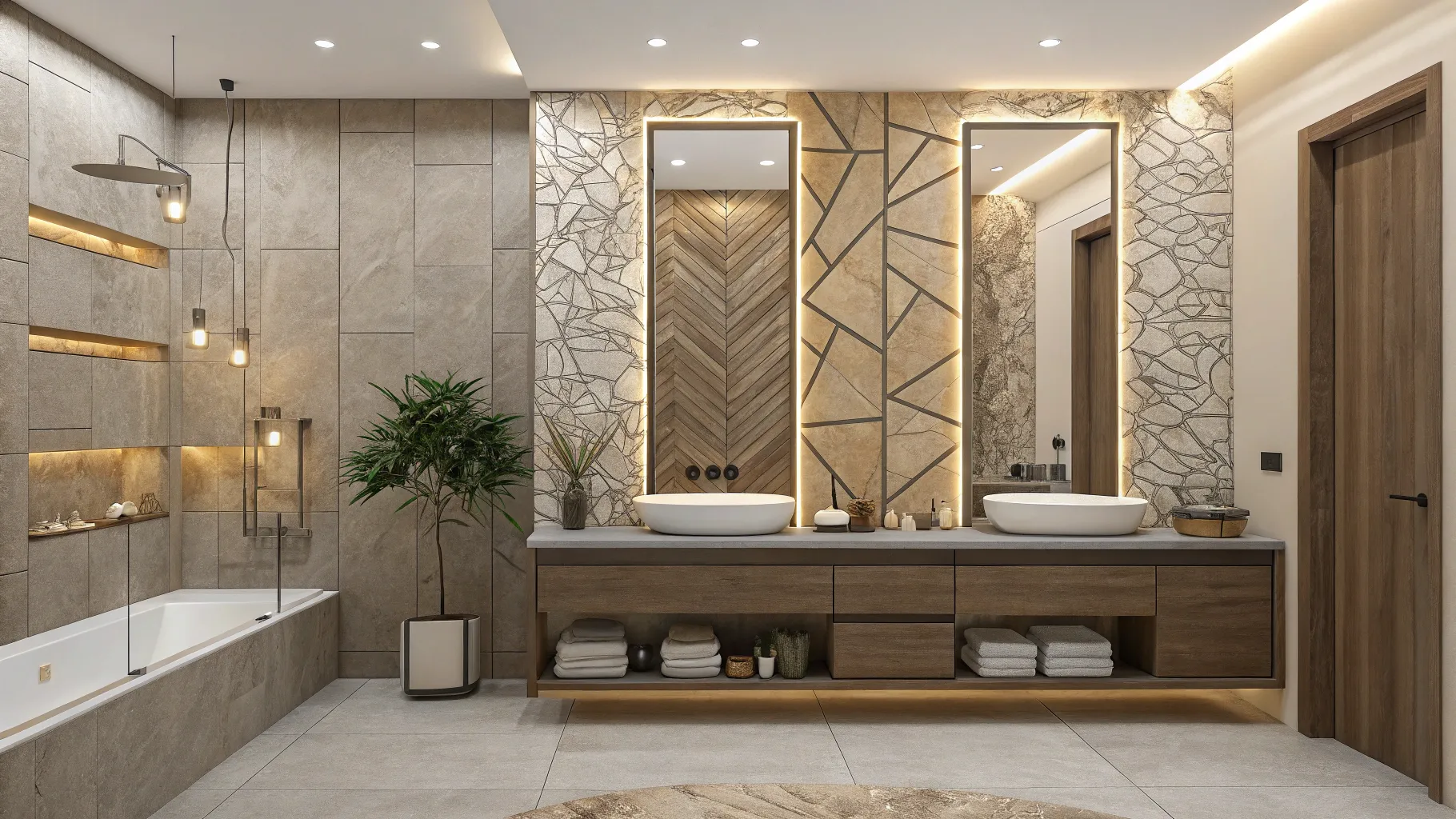
Comparison: Panels vs Tiles
When it comes to bathroom makeovers, the choice between panels and tiles is often a significant decision. One of the clear distinctions is the installation process. Traditional tiles require precise alignment, application of adhesive, and the grouting of spaces between tiles—a task that might seem daunting for DIY enthusiasts. In contrast, wall panels can be installed much more quickly and easily.
For those wondering about durability, panels are crafted from a range of waterproof materials—such as PVC, acrylic, and fiberglass—making them inherently resistant to water damage and mold growth.
- Water Resistance: Wall panels are typically designed to be more waterproof than tile, which can allow moisture to seep through the grout lines.
- Maintenance: Cleaning panels is straightforward; a simple wipe down is often sufficient, while tiles may trap grime and dirt in the grout.
- Variety of Designs: Bathroom wall panels come in various styles, colors, and textures, catering to both modern and traditional decor.
- Cost-Effectiveness: Considering installation costs and potential maintenance issues, wall panels can save money in the long run.
One notable case study involved a homeowner in Austin, Texas, who switched from tile to wall panels last year and reported a significantly lower cleaning time. From spending hours scrubbing tile grout to merely wiping down the panels, they noted a massive increase in time efficiency and enjoyment of their bathroom.
Installation Process of Bathroom Wall Panels
The installation of bathroom wall panels can usually be completed in less time than tile installation. Here’s a quick guide to the typical installation steps:1. **Preparation:** Ensure that the wall surface is smooth and clean. If it is a new build, you may need to level the walls first.2. **Measuring and Cutting:** Panels should be measured and cut to fit your bathroom dimensions. Special tools can make this process faster and easier.3. **Adhesive Application:** Apply adhesive to the back of the panels accurately. It’s essential to follow the manufacturer’s recommendations for best results.4. **Panel Placement:** Start from a corner and work your way outward, ensuring each panel is firmly attached and level. Adjust as needed.5. **Finishing Touches:** Seal the edges of the panels, and ensure no spaces are left for moisture to enter. This is critical in ensuring the longevity of your wall panels.
Installation time can range from a few hours to a weekend, depending on the bathroom's size and the complexity of the design. Enthusiasts or professionals can handle the job, making it a flexible option for renovations.
Maintenance of Bathroom Wall Panels
In addition to being straightforward to install, wall panels are equally easy to maintain. With the right materials, they require minimal cleaning—just a soft cloth and mild detergent will usually do the trick. Unlike tiling, where mold can develop in grout lines, panels minimize these concerns with their seamless designs. In terms of long-term maintenance, replacing a damaged panel is significantly easier than re-tiling an entire wall.
Currently, homeowners are reporting 80% satisfaction rates with wall panel maintenance. Their findings demonstrate that replacing panels is also becoming less frequent due to advancements in material quality.
Waterproof Materials and Styles
Bathroom wall panels come in various waterproof materials, each offering unique advantages:- **Acrylic:** Lightweight and versatile, acrylic panels can mimic other materials, like tiles and stone.- **PVC:** Polyvinyl chloride (PVC) panels are affordable and easy to clean, making them popular in budget renovations. They are available in various colors and patterns.- **Fiberglass:** This material's increasing popularity stems from its non-porous surface, making it resistance to mold.- **Glass:** For a more luxurious feel, clear or patterned glass panels can add elegance and beauty to your space.
Design options are virtually limitless. The latest trends in 2025 include textured finishes that simulate natural materials, such as wood or stone, providing the look without the requisite maintenance. Furthermore, the use of bright colors and geometric patterns has become a favorite among homeowners looking to make bold statements.
Cost Efficiency and Design Options
Choosing bathroom wall panels can be financially advantageous. While the initial purchase price can vary based on material and design, savings emerge in the long run due to reduced installation costs and an overall decrease in maintenance. For instance, on average, PVC panels can cost between $8 and $15 per square foot, whereas tiles can run significantly higher, especially when factoring in labor costs.
In 2025, an increasing number of homeowners are shifting towards wall panels, indicating a trend that combines fiscal responsibility with considerable aesthetic satisfaction. The ease of updating designs also attracts those who like to refresh their spaces periodically without significant investment. A case in point is a recent trend in coastal areas where homeowners prefer lighter colors and breezy designs, aligning their bathrooms with their overall beachside aesthetic.
In summary, bathroom wall panels represent a practical, stylish, and cost-effective choice for your bathroom renovation needs. The vast advantages over traditional tiling—from easier installation to lower maintenance costs—place them at the forefront of modern bathroom design.
Authored by FreshLifeWire team