Ulcerative Colitis Signs and Treatments for Better Health
Understanding Ulcerative Colitis Signs and Treatments
Ulcerative colitis, a form of inflammatory bowel disease (IBD), affects over a million individuals in the United States alone. This chronic condition primarily impacts the colon and rectum, leading to painful and often debilitating symptoms. For those living with ulcerative colitis in 2025, recognizing the signs and knowing the treatment options available is vital for managing the disease effectively and leading a fulfilling life.
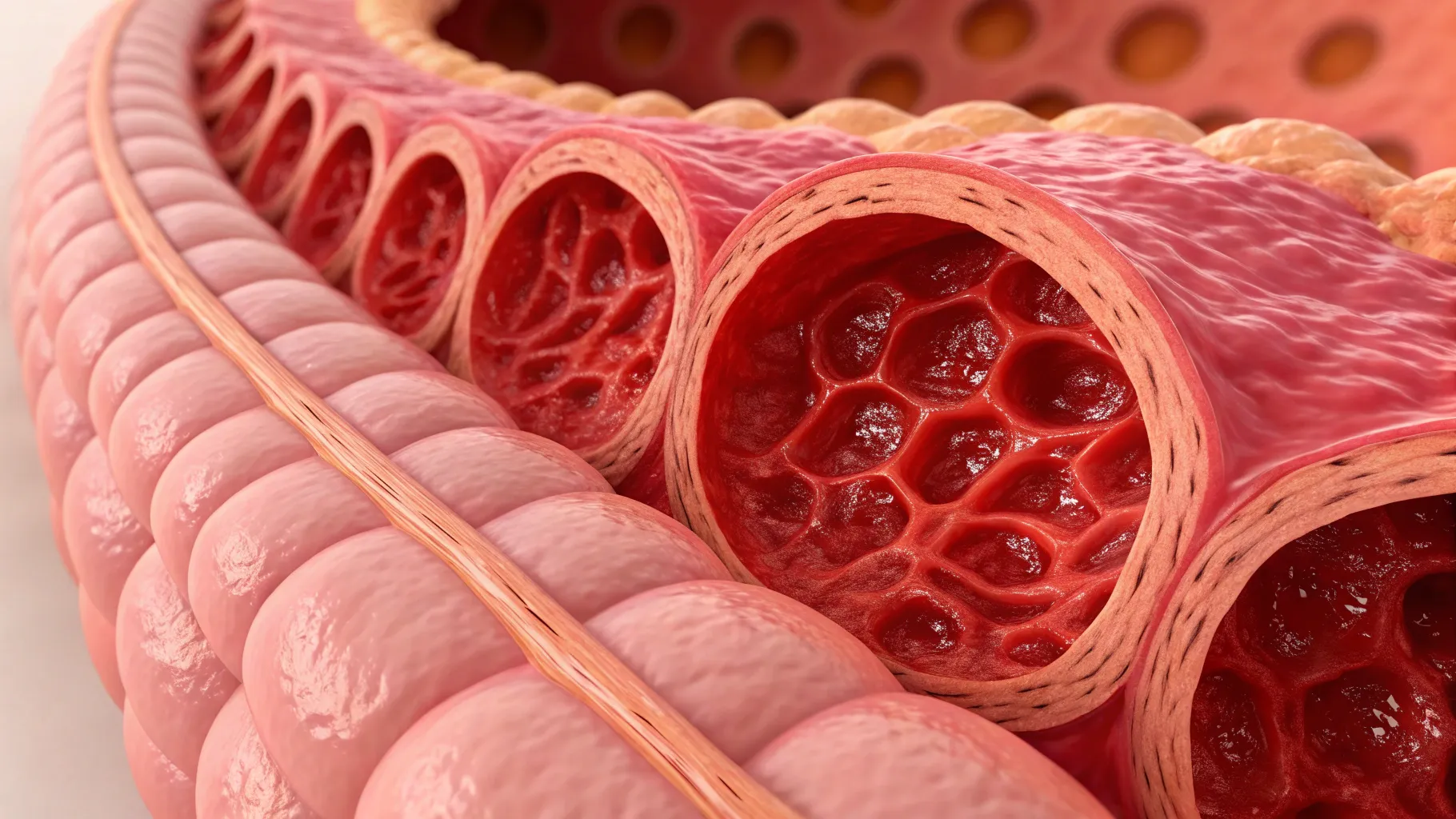
Identifying the Signs of Ulcerative Colitis
Early recognition of ulcerative colitis is crucial as it can greatly influence treatment outcomes. Patients often present with a variety of symptoms, which can vary in severity. The following indicators are commonly associated with the condition:
- Abdominal Pain: Many individuals report cramping and pain in the lower abdomen. This discomfort typically correlates with episodes of diarrhea, making it a significant concern.
- Diarrhea: A hallmark symptom, diarrhea, can occur multiple times a day, sometimes including blood or mucus. This symptom necessitates immediate medical attention, as it can indicate a flare-up.
- Fatigue: Chronic inflammation in the body often leads to persistent fatigue, impacting daily activities and overall well-being. Recent studies indicate that as many as 70 percent of patients report this debilitating fatigue.
- Weight Loss: Unintentional weight loss can occur due to malabsorption of nutrients, compounded by a decrease in appetite that many patients experience due to fear of triggering symptoms.
- Loss of Appetite: The fear of experiencing painful symptoms can lead to a significant reduction in food intake, affecting a patient’s nutritional status and energy levels.
Factoring in these signs, studies in the past six months show that approximately 30 percent of patients suffer from noticeable weight loss, further emphasizing the need for early diagnosis and intervention.
Exploring Treatment Options for Ulcerative Colitis
The treatment landscape for ulcerative colitis in 2025 has made significant strides. A personalized approach that combines medication, lifestyle modifications, and, if needed, surgical options, is essential for effective management. Below are the core treatment categories currently in use.
Medications for Ulcerative Colitis
Medications play a crucial role in managing ulcerative colitis symptoms and achieving remission. Here are key types of medications used:
- Aminosalicylates: These anti-inflammatory drugs, such as mesalamine, are often the first line of treatment for mild to moderate cases. They help reduce inflammation in the colon and maintain remission.
- Corticosteroids: For patients experiencing moderate to severe symptoms, corticosteroids like prednisone can provide rapid inflammation control. However, caution is necessary due to potential long-term side effects associated with their use.
- Immunomodulators: Medications like azathioprine suppress the immune system’s activity to prevent inflammation when other treatments are ineffective. They are particularly useful in maintaining remission in chronic cases.
- Biologics: This newer class of drugs focuses on specific components of the immune system. For instance, infliximab and adalimumab have shown considerable efficacy for controlling symptoms in more severe cases. Recently, a new biologic treatment was approved that has shown great promise in clinical trials over the last six months.
The advancement of biologic treatments in recent months has led many healthcare providers to shift their focus toward newer therapies that can bring better outcomes and improved quality of life for patients.
Adopting Lifestyle Changes for Better Management
Alongside medication, lifestyle changes play a vital role in managing ulcerative colitis symptoms. Practical adjustments include:
- Dietary Modifications: Many patients notice that certain foods worsen their symptoms. During flare-ups, a diet low in fiber may be beneficial, along with the inclusion of probiotics to support gut health.
- Stress Management: Stress has been identified as a trigger for many ulcerative colitis flare-ups. Techniques like meditation, yoga, and engaging in regular physical activity can help mitigate this. Recent surveys indicate that up to 35 percent of patients see improvement in their symptoms by focusing on stress reduction.
- Hydration: Due to frequent diarrhea, it’s essential to stay hydrated. Patients are encouraged to consume plenty of fluids and consider electrolyte solutions to replenish lost fluids and minerals.
Patients who have made these lifestyle changes often report a notable improvement in their quality of life alongside their medical treatment.
Surgical Options for Ulcerative Colitis
For those who do not respond adequately to medication or face severe complications, surgery may become a necessity. The most common surgical intervention involves total removal of the colon and rectum, a procedure that can fundamentally alter one's life. One notable option is the ileoanal pouch procedure. This allows patients to retain a degree of normal function by passing waste through the anus, rather than relying on a permanent colostomy.
Statistics reveal that about 25 percent of patients with ulcerative colitis will require some form of surgery, particularly if their symptoms are uncontrolled by medical management. Advancements in surgical techniques in the past year have led to reduced recovery times, making surgical options safer and more effective.
Monitoring and Support Systems
Ongoing monitoring and regular check-ups with healthcare providers are essential in maintaining effective control over ulcerative colitis. Additionally, participating in support groups, whether in-person or online, can provide a sense of community and shared experience. Connecting with others who face similar challenges can deliver emotional support and practical tips.
In 2025, the management of ulcerative colitis continues to evolve thanks to ongoing research and patient feedback. Staying informed about the latest treatment options and advocating for one’s health is key in living well with this condition. Understanding that early symptom recognition coupled with personalized treatment can lead to positive health outcomes empowers individuals to take control of their ulcerative colitis journey.
Authored by FreshLifeWire team