Types of Home Backup Generators and Ways to Own One
Types of Home Generators to Consider
As blackouts become more commonplace due to severe weather and grid issues, possessing a reliable backup generator has transformed from a luxury to a necessity for many homeowners. In 2025, individuals increasingly recognize the value of generator systems capable of delivering dependable power during outages. This transformative landscape pushes homeowners to evaluate different generator types tailored to their unique needs.
Portable Generators
Portable generators rank among popular choices for homeowners looking for flexibility and budget-friendliness. These units, commonly powered by gasoline or propane, can deliver adequate electricity to essential appliances like refrigerators, lights, and heating systems when the grid goes down.
The versatility of portable generators makes them ideal for outdoor enthusiasts too. Whether you’re heading out on a camping trip or hosting a backyard party, they are easy to transport. However, their power output is limited, usually providing around 3,000 to 5,000 watts. This means they are more suited for covering basic necessities rather than powering an entire home. Still, many homeowners find these generators satisfactory for short-duration outages.
Standby Generators
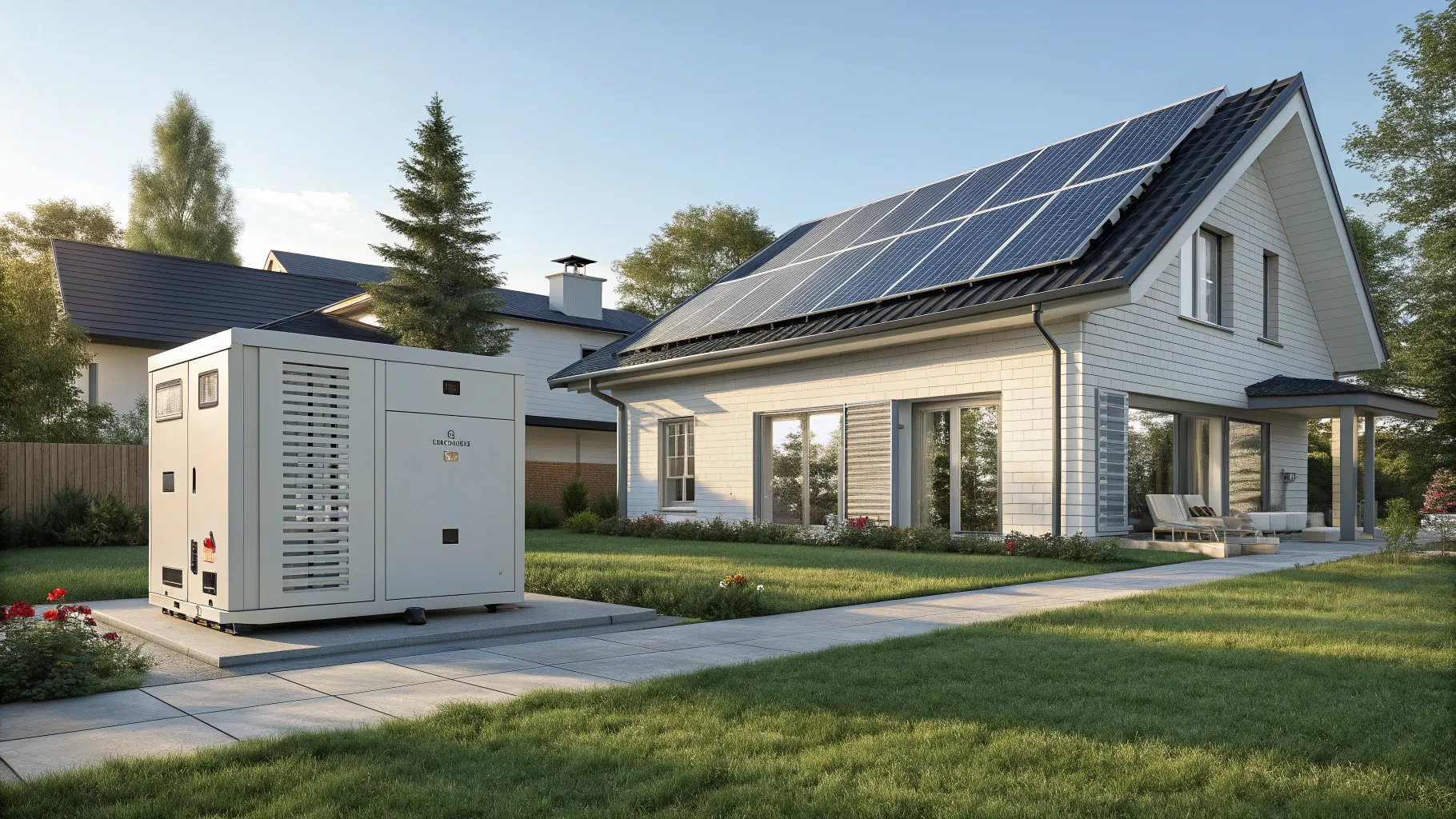
On the other hand, standby generators offer a more permanent solution for home power outages. These systems connect directly to your home’s electrical network. Once installed, they provide a seamless experience, activating automatically upon detecting a power failure. Many modern standby generators utilize natural gas or propane, contributing to a cleaner energy profile and minimizing environmental impact compared to gasoline options.
Despite the higher initial costs, the reliability and convenience of these units make them particularly appealing to homeowners regularly affected by outages. Imagine never having to worry about powered-down appliances or losing vital medical equipment when the electricity goes down. This stress-free aspect solidifies standby generators as a popular choice.
Inverter Generators
In recent years, inverter generators have surged in popularity, thanks largely to their fuel efficiency and quiet operation. Recognized for producing clean, stable energy, these generators are perfect for homeowners with sensitive electronics—think laptops, tablets, or medical devices. An inverter generator can regulate the electrical output seamlessly, preventing sudden surges and providing peace of mind.
While these generators can be portable or fixed, they typically cannot match the capacity of larger standby systems. Nevertheless, they are superb for light-use scenarios and brief power outages, making them a practical consideration for many homes.
Solar-Powered Generators
With an increasing focus on sustainability, solar-powered generators have seen a remarkable rise. Converting sunlight into usable electricity through solar panels is an appealing solution for those wanting to minimize their carbon footprint. Solar-generating systems utilize batteries to store energy, allowing homeowners to harness renewable resources.
The upfront cost of solar generators can be significant. Still, incentives such as tax credits and local rebates make the investment seem less daunting. A recent survey indicated that over 65% of homeowners are now leaning towards solar options when assessing energy solutions. The appeal is clear—lower energy bills and the possibility of selling excess power back to the grid make solar choices incredibly enticing.
Why Choose Solar-Powered Options
As we move through the year, the surge in popularity for solar-generating solutions continues to rise. When considering a solar-powered generator, several factors come into play: the average sunlight your home receives, the size of the generator needed, and your installation budget.
Research conducted in early 2025 highlighted that homeowners favor solar generators not only for their eco-friendly advantages but also for the financial flexibility they provide. Cities nationwide are introducing or enhancing support for solar initiatives, offering valuable rebates and incentives to encourage installation. This increased accessibility creates a path for homeowners to invest in green energy without straining their finances.
Generator Financing Plans and Payment Options
Selecting the right generator is crucial, but so is understanding how to finance your purchase. Recent months have seen a boom in flexible financing plans tailored for homeowners. Not everyone has the upfront cash to invest in reliable power solutions, paving the way for these innovative financing options.
- Buy Now Pay Later Options: This solution allows homeowners to acquire a generator immediately while paying off the cost in smaller installments over time. This approach is especially helpful for those wanting to ensure safety against power disruptions without compromising their budget.
- Monthly Installments: Various financing options now provide low or even zero-interest monthly installment plans. These plans allow you to spread the cost over several months or years, making the upfront investment feel much more manageable. Some even include maintenance and warranties, enhancing their overall value.
Homeowners are finding these financial tools incredibly helpful. For example, a family in Texas recently purchased a solar-powered generator through a buy now pay later plan, allowing them to leverage renewable energy capabilities without facing significant initial investment hurdles. Their electric bills have noticeably decreased, empowering them to withstand outages with confidence.
In 2025, as discussions surrounding energy security grow, more homeowners are poised to explore the diverse options available for generators, financing packages, and solar technologies. Awareness and education about these options empower consumers to make informed decisions regarding their home energy resilience.
Authored by FreshLifeWire team