Transatlantic Cruise Southampton to New York
History of Transatlantic Cruises from Southampton to New York
The transatlantic cruise from Southampton to New York is a remarkable journey steeped in rich maritime history. This iconic route has been traveled by countless passengers since the early 19th century, serving as a lifeline between Europe and North America. The most famous early cruise line, Cunard, launched its first passenger liner, the RMS Britannia, in 1840, establishing programming that would shape transatlantic travel.
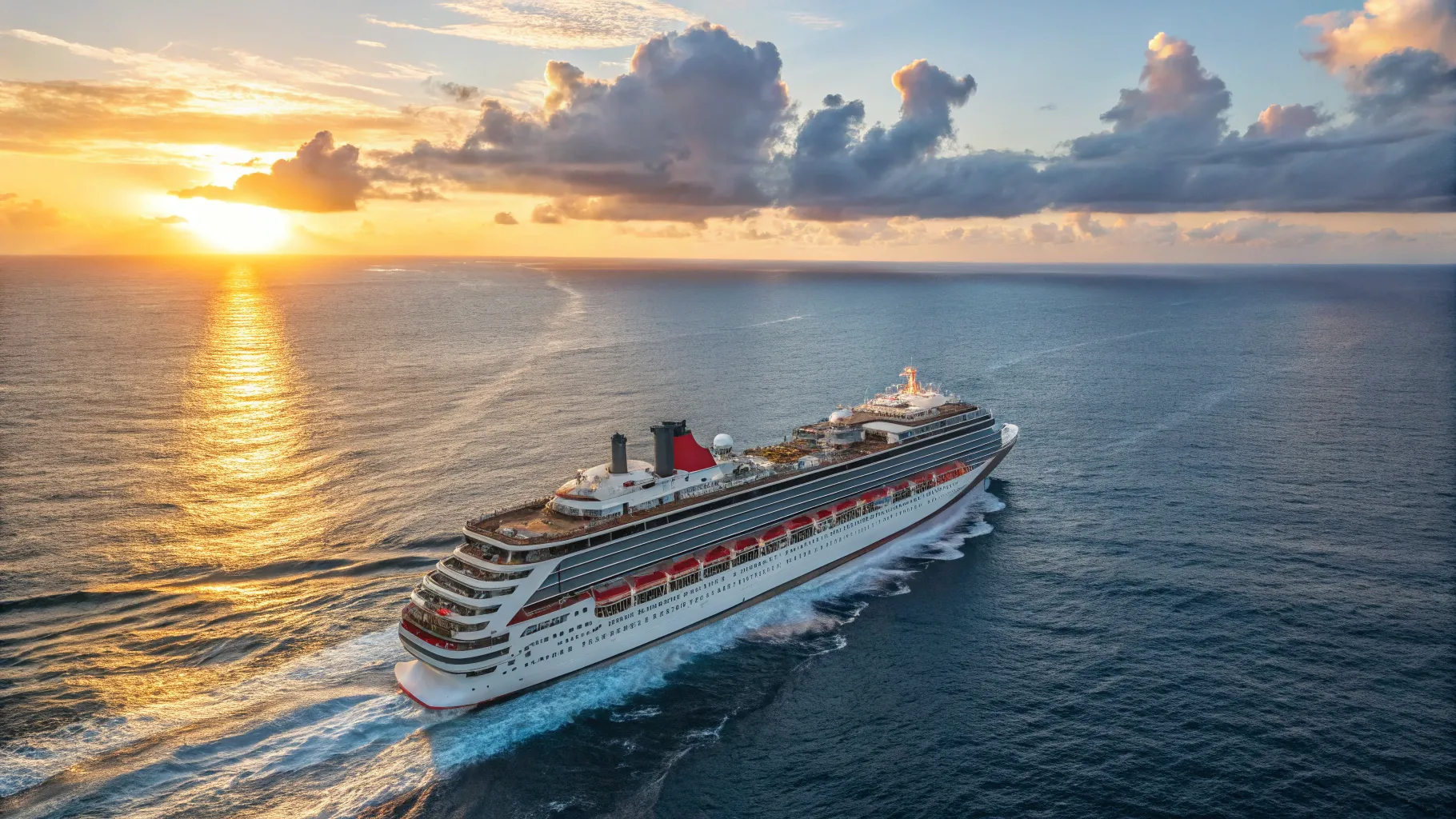
Throughout the years, transatlantic voyages became synonymous with luxury and adventure. In the late 1800s and early 1900s, ships like the RMS Mauretania and RMS Lusitania not only offered high-end experiences but also competed for the prestigious Blue Riband, awarded to the fastest ship to cross the Atlantic. These vessels were marvels of engineering for their time, capturing the public's imagination and solidifying Southampton’s role as a premier port.
Typical Itineraries of Transatlantic Cruises from Southampton
In 2025, passengers embarking on a transatlantic cruise from Southampton can expect a variety of itineraries, each designed to provide a unique experience. Generally, these cruises span anywhere from 6 to 14 nights, with stops along the way that may include destinations like Lisbon, Bermuda, and ports in the Caribbean. One popular route is the journey that directly links Southampton to New York, often dubbed "The Atlantic Crossing," where travelers can enjoy luxurious amenities while crossing the ocean.
Many cruise companies, including Carnival and Royal Caribbean, now offer modern ships that combine traditional cruising elements with contemporary comforts, including outdoor theaters, rock climbing walls, and gourmet dining options. However, even with the advances in design and technology, the essence of the transatlantic experience remains – it’s not just about the destination, but about the journey itself.
Duration of the Transatlantic Voyage Southampton to New York
The duration of a transatlantic voyage from Southampton to New York has varied historically, impacted by the vessel's speed and weather conditions. Today, most cruises take around 7 to 8 days, with an average sailing distance of approximately 3,000 miles. Programs now focus on providing not just a mode of transport but creating a seamless experience. Modern cruise ships are built to be faster, yet maintain the romantic notion of luxury and exploration.
The journey provides ample time to relax and enjoy the stunning views of the Atlantic Ocean. Passengers can glance at the vast, cerulean waters reflecting the sun, occasional pods of dolphins riding the bow waves, and expansive skies that change color at twilight.
Cultural Significance of the Southampton–New York Route in Maritime History
The Southampton to New York route is more than a mere travel corridor; it is an emblematic thread in the fabric of transatlantic history. For many immigrants in the late 19th and early 20th centuries, this crossing represented a new beginning and the promise of better opportunities in America. Each voyage carried not just baggage, but dreams and aspirations, linking families and cultures across the ocean.
Today, it continues to symbolically unite the United States and Europe. Cultural events frequently celebrate this heritage, with festivals in both Southampton and New York that commemorate the maritime traditions and histories associated with transatlantic travel.
Types of Ships on the Transatlantic Line Southampton–New York
Currently, the types of ships operating on the Southampton to New York line vary widely, from luxurious liners to modern cruise ships equipped with state-of-the-art facilities. Companies like Cunard operate the Queen Mary 2, renowned for its elegant design and capacity for transatlantic travel. The Queen Mary 2 is particularly famous for its traditional afternoon tea service and extensive library, evoking an air of nostalgia for the golden age of cruising.
On the other hand, other cruise lines such as Royal Caribbean and Norwegian Cruise Line emphasize modern recreational experiences, branching out with ships that cater to families and adventure seekers alike. These ships often feature water parks, numerous dining options, and vibrant nightlife, appealing to a diverse demographic of travelers.
The Role of Southampton Port in Transatlantic Travel
As one of the world’s oldest and busiest ports, Southampton plays an essential role in transatlantic travel, serving as a gateway to North America. Continually enhancing its facilities, the port caters to millions of travelers annually, making it a focal point of maritime activity. In recent years, substantial investments have been made to upgrade terminals and streamline boarding processes, improving passenger experiences.
Southampton's strategic location on the southern coast of England, coupled with its well-developed transport links, consistently makes it a preferred departure point for transatlantic cruises. Additionally, its rich maritime history attracts cruise enthusiasts who come to explore the port’s charm before setting sail.
Tourism and Social Impact of Transatlantic Cruises
The economic impact of transatlantic cruises on Southampton and New York is significant. Southampton, for instance, has seen a surge in tourism thanks to its cruise operations. Recent studies indicate that cruise tourism has generated over £2 billion for the UK economy, supporting thousands of local jobs and boosting industries like hospitality and retail.
Conversely, New York also benefits from the influx of international travelers. Visitors exploring the iconic landmarks of the city, such as Times Square and Central Park, contribute to a vibrant economy. Moreover, the mix of cultures fosters global connections that are strengthened through tourism, creating a deeper appreciation among passengers for shared histories.
As we navigate through 2025, the transatlantic cruise experience continues to evolve, embracing modernity while holding on to the traditions that have defined it for centuries. From the journey across the Atlantic to the rich tapestry of cultures interwoven along this route, the transatlantic cruise from Southampton to New York remains a captivating adventure, cherished by all who embark on it.
Authored by FreshLifeWire team