Total vs Partial Knee Replacement Benefits and Risks
Understanding Total and Partial Knee Replacement in 2025
Knee replacement surgeries are becoming more prevalent, especially as the technology evolves and offers patients personalized solutions for knee pain and dysfunction. By now, in 2025, we see a significant increase in both total knee replacement (TKR) and partial knee replacement (PKR) procedures. While both aim to relieve pain and restore mobility, their approaches and benefits differ.
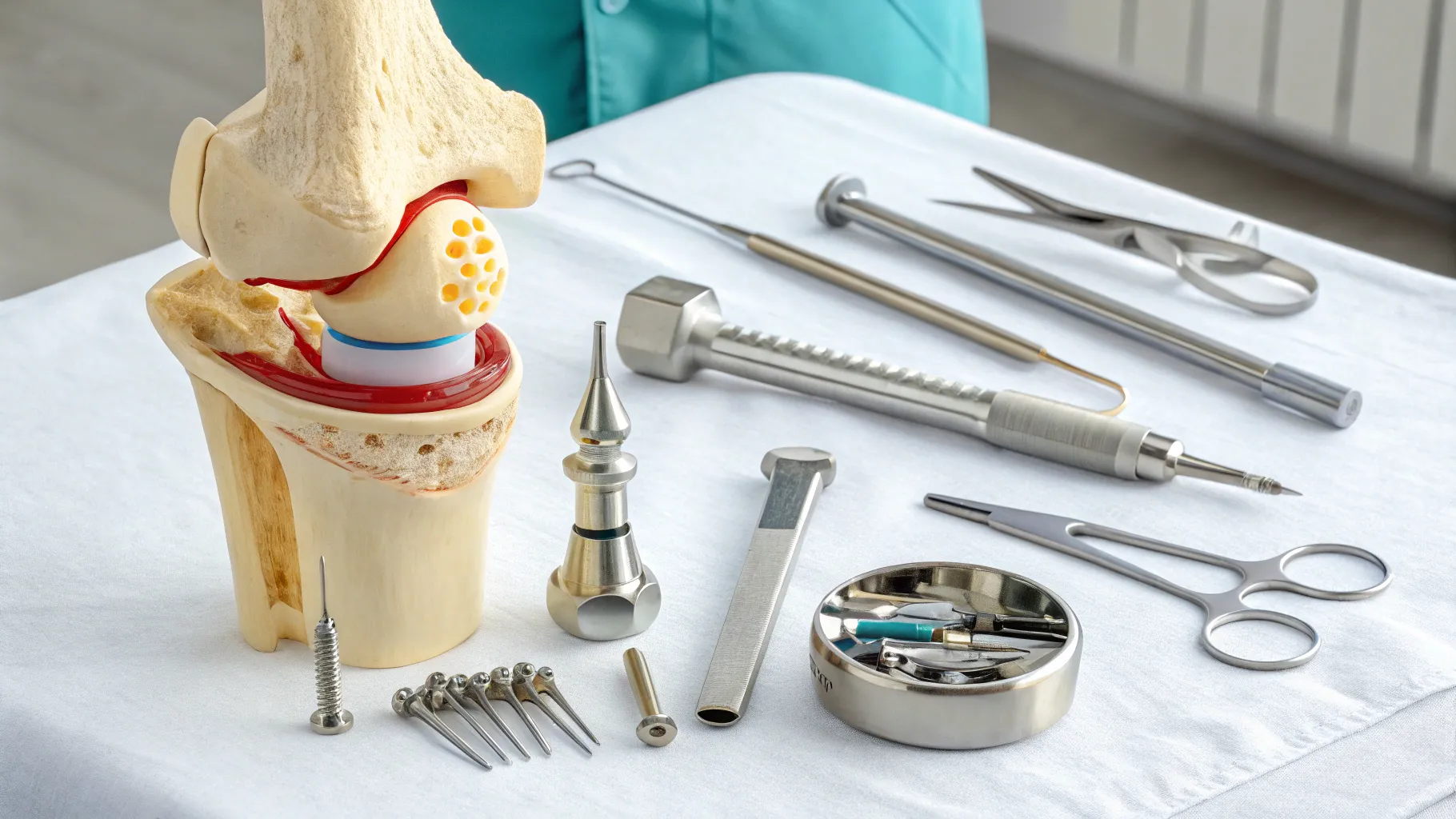
What is Total Knee Replacement?
Total knee replacement involves a comprehensive surgical procedure where the surgeon removes the damaged cartilage and bone from the knee joint and replaces them with artificial components, typically made from metal and plastic. These surgeries are generally recommended for patients experiencing severe arthritis or extensive joint damage.
- Advantages of Total Knee Replacement:
- Complete relief from pain, impacting the entire knee joint, which many patients appreciate after years of discomfort.
- Enhanced joint functionality assists in allowing a broader range of activities, enabling patients to engage in sports and exercise again.
- The longevity of knee implants is a solid benefit, with many lasting up to 20 years when properly cared for.
- Risks of Total Knee Replacement:
- There are always risks, including potential complications such as infections, blood clots, and knee stiffness.
- Some patients might require revision surgeries if the implant does not perform as expected over time.
- The recovery time can be lengthy and requires clear dedication to rehabilitation.
For many patients diagnosed with advanced knee conditions, TKR presents a path toward improved quality of life.
Exploring Partial Knee Replacement
Partial knee replacement is a more conservative option that targets only the damaged area of the knee, preserving the healthy compartments. This procedure is particularly effective for individuals dealing with localized arthritis and who have adequate cartilage in other regions.
- Advantages of Partial Knee Replacement:
- The minimally invasive nature of PKR results in fewer complications and often a quicker recovery period.
- By preserving healthy bone and cartilage, PKR supports the natural mechanics of the knee.
- Patients frequently experience less post-operative pain, which means a speedier return to daily activities.
- Risks of Partial Knee Replacement:
- One key risk is that patients may eventually develop osteoarthritis in the remaining compartments of the knee.
- This procedure isn’t suitable for everyone, especially if there are alignment issues that could hinder outcomes.
- Patients with more advanced arthritis may receive less predictable results compared to those opting for TKR.
The decision between TKR and PKR should be informed by the patient's specific condition, needs, and lifestyle.
Knee Implant Options Available in 2025
In the current landscape of knee surgeries, there are varied types of knee implants, each tailored to meet particular patient needs. These implants can be classified into categories based on their construction and functionality:
- Cemented Implants: These have been widely used and are favored for their capacity to provide immediate stability following surgery.
- Uncemented Implants: Often crafted from materials that encourage bone growth, these implants utilize a porous design to allow natural integration with bone.
- Hybrid Systems: Combining both cemented and uncemented components, these implants offer customizable support based on the unique anatomy of the patient.
According to recent studies from early 2025, advancements in implant technology have led to patient satisfaction rates exceeding 90% for both TKR and PKR surgeries, showcasing the effectiveness of modern solutions.
Recovery Time Comparison for Knee Replacement Surgeries
When comparing recovery between total knee replacement and partial knee replacement, the differences are quite notable. Patients often find themselves eager to return to their daily routines, but understanding the time required for recovery can set realistic expectations.
- Total Knee Replacement: A typical stay in the hospital lasts between 1 to 3 days. Most patients will need about 3 to 6 months of rehabilitation to regain regular function. Physical therapy plays a significant role in this recovery phase, focusing on rebuilding strength and flexibility.
- Partial Knee Replacement: Generally, patients are hospitalized for 1 to 2 days with many capable of returning to light activities within a few weeks. In 6 to 12 weeks, most individuals can partake in full activities again, benefiting from a quicker recovery process.
The differences in recovery are perhaps one of the deciding factors for patients weighing their options.
Innovative Surgical Techniques in 2025
With advances in medical technology, the surgical methods used for knee replacements have improved drastically. Among the notable innovations is robotic-assisted surgery, which provides enhanced precision during the procedure. This can result in better alignment of the implant and ultimately quicker recovery times for patients.
Additionally, minimally invasive approaches have made waves in the field. By utilizing smaller incisions, surgeons can reduce trauma to surrounding muscle and tissue. This ensures not only faster recovery but also decreased post-operative discomfort. In today’s surgical practices, techniques such as arthroscopy are becoming the norm, allowing for a more streamlined and effective operation.
Importance of Rehabilitation Post Knee Replacement
Rehabilitation is paramount following knee replacement surgery, playing a critical role in the overall success of the procedure. A well-structured rehabilitation program often includes:
- Physical Therapy: The primary focus is on restoring strength and mobility through customized exercises tailored to individual needs.
- Strength Training: Helps in rebuilding muscle strength around the knee, crucial for stabilizing the joint.
- Aerobic Conditioning: Encourages overall fitness improvement and contributes positively to the healing process.
Patients must start engaging in physical therapy as soon as possible, often as early as the day following surgery. A consistent rehabilitation regimen can last from several weeks to several months, varying per individual based on their recovery pace and the type of surgery performed.
Ultimately, whether opting for total or partial knee replacement, patients must thoroughly discuss their options with orthopedic professionals to identify the most suitable path based on their conditions, lifestyles, and recovery objectives.
As patients navigate this journey, staying informed and empowered will help them make choices that lead to healthier, pain-free lives.
Authored by FreshLifeWire team