Top Symptoms of a Brain Tumor You Should Know
Understanding Brain Tumors and Their Top Symptoms
When it comes to brain health, awareness of the symptoms of potential issues is crucial. Brain tumors, whether benign or malignant, can present a variety of symptoms that are not always obvious at first. In 2025, with advancements in diagnostic imaging and a greater understanding of neurological health, recognizing the signs of a brain tumor is more vital than ever.
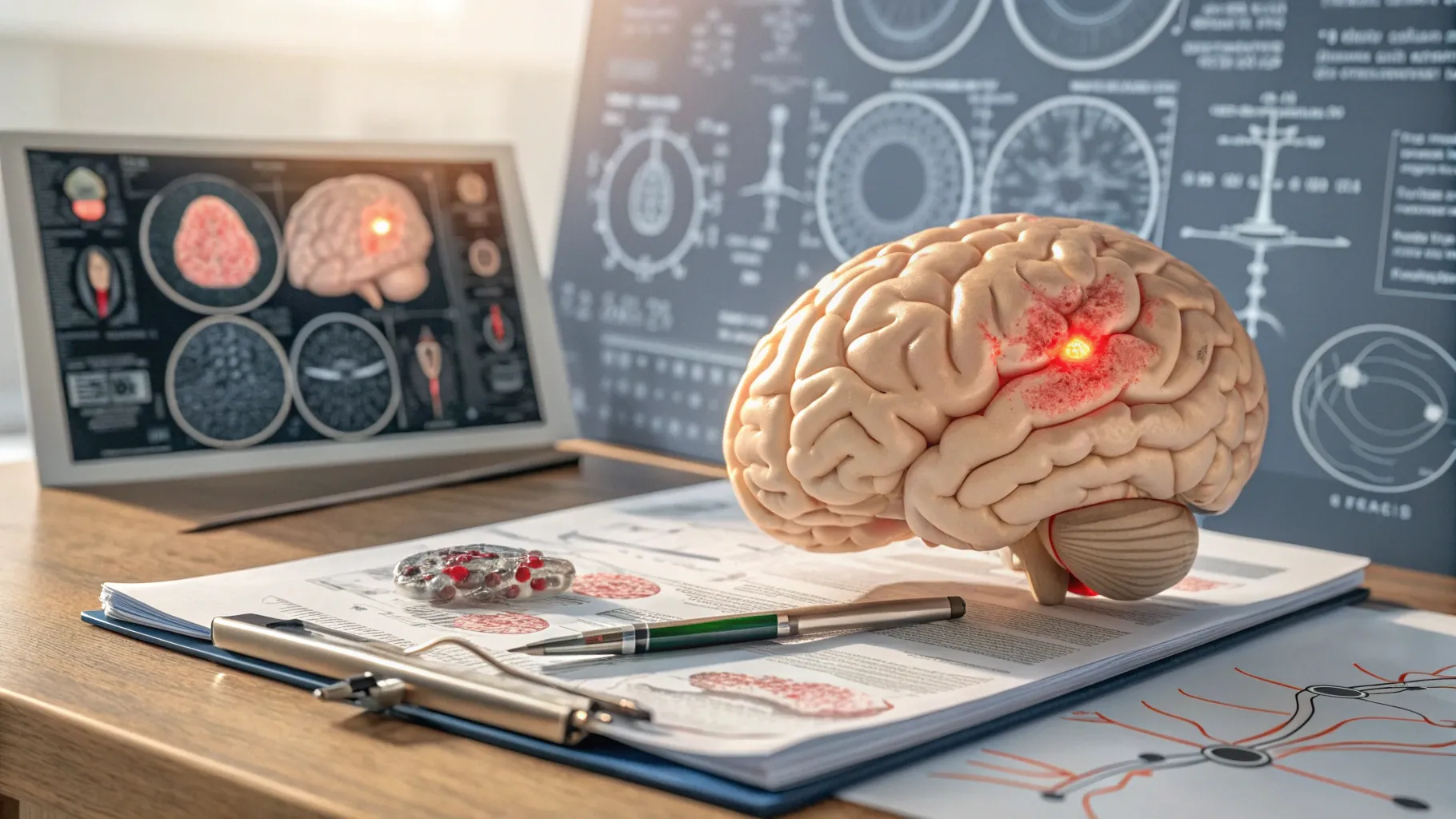
What Is a Brain Tumor?
A brain tumor is an abnormal growth of cells within the brain. These tumors can originate in the brain (primary brain tumors) or spread to the brain from other parts of the body (secondary or metastatic tumors). With over 700,000 people in the United States living with a brain tumor, understanding the top symptoms can aid in early detection and treatment.
Top 3 Symptoms of a Brain Tumor
Identifying the symptoms of a brain tumor can significantly affect treatment outcomes. Here, we delve into the top three symptoms that individuals should watch out for.
1. Persistent Headaches
One of the most common symptoms of brain tumors is headaches. While headaches can arise due to various factors, a brain tumor headache is usually persistent and may worsen over time. According to recent studies conducted in early 2025, approximately 65% of patients reported headaches as one of their first symptoms. These headaches may:
- Occur more frequently or have a different intensity compared to usual headaches.
- Be accompanied by nausea, vomiting or changes in vision.
- Worsen with changes in body position, exertion, or after a period of rest.
If someone experiences new and unusual headaches that do not respond to regular pain relief methods, it is crucial to consult a healthcare professional promptly.
2. Seizures
The presence of seizures can also be indicative of a brain tumor. Nearly 30% of individuals diagnosed with a brain tumor report experiencing seizures prior to their diagnosis. Seizures can manifest in various forms, including:
- Generalized Seizures: These affect both sides of the brain and can lead to loss of consciousness.
- Focal Seizures: These start in a specific area of the brain and can cause unusual sensations, twitching, or impaired awareness.
For some, this initial episode may lead to further investigation, potentially resulting in a brain tumor diagnosis. If someone experiences new-onset seizures, especially in adulthood, immediate medical attention is critical.
3. Cognitive and Personality Changes
Brain tumors can also affect cognitive functions and lead to personality changes. This symptom is often overlooked but can manifest in various ways. Individuals may notice:
- Memory issues, difficulty concentrating or confusion.
- Changes in mood, such as increased irritability or anxiety.
- Alterations in behavior, which may include a decline in social interactions or changes in daily activities.
Statistics from neurological studies in 2025 indicate that cognitive impairment is a significant concern for about 40% of patients upon diagnosis. Recognizing these changes is vital, not only for the individual but also for family and friends who may notice shifts in behavior before a medical evaluation occurs.
Other Symptoms to Consider
In addition to these primary symptoms, several other signs may be present, including visual disturbances (like blurred or double vision), difficulties with balance or coordination, and unexplained fatigue. Each person's experience with a brain tumor is unique, emphasizing the importance of timely communication with healthcare providers.
The Importance of Early Detection
Early detection of brain tumors significantly impacts treatment options and outcomes. Cutting-edge technologies available in 2025 have improved diagnostic capabilities, such as:
- Advanced MRI and CT imaging techniques that can identify tumors earlier.
- Biomarker tests that help in understanding tumor types and guiding treatment.
Combined with heightened awareness of potential symptoms, these advancements enable healthcare professionals to tailor approaches that may lead to better prognoses.
When to Seek Help
If you or someone you know is experiencing one or more of the symptoms mentioned, it is crucial not to dismiss them. Consulting a healthcare professional for a thorough evaluation is essential. Waiting to seek help can lead to complications, particularly if a brain tumor is involved, which can progress rapidly if left untreated.
Living with a Brain Tumor
Being diagnosed with a brain tumor can be overwhelming, and it's important to focus on building a support system and exploring treatment options. Many resources are available for education, emotional support, and community services that can help individuals and families navigate this challenging journey.
With continuous medical research and innovation in treatment methods, individuals diagnosed today have access to a range of therapies tailored to their specific conditions. Engaging in discussions with healthcare providers about the latest treatments, clinical trials, and personal health advancements is beneficial for managing life with a brain tumor.
In conclusion, awareness of the symptoms of brain tumors is crucial in the fight against this serious condition. By recognizing persistent headaches, seizures, and cognitive changes, individuals can be proactive in their health care journey, ensuring that they receive timely and effective treatment.
Authored by FreshLifeWire team