Foods Seniors Should Avoid After 65 for Health
Which Foods Should You Avoid After 65
As we enter our golden years, our dietary needs shift significantly. At 65 and beyond, eating a balanced diet becomes crucial due to various physiological changes, health conditions, and lifestyle alterations. But enjoying delicious meals also means some foods should be avoided to maintain good health. Here’s a deep dive into the foods seniors should avoid and why it matters.
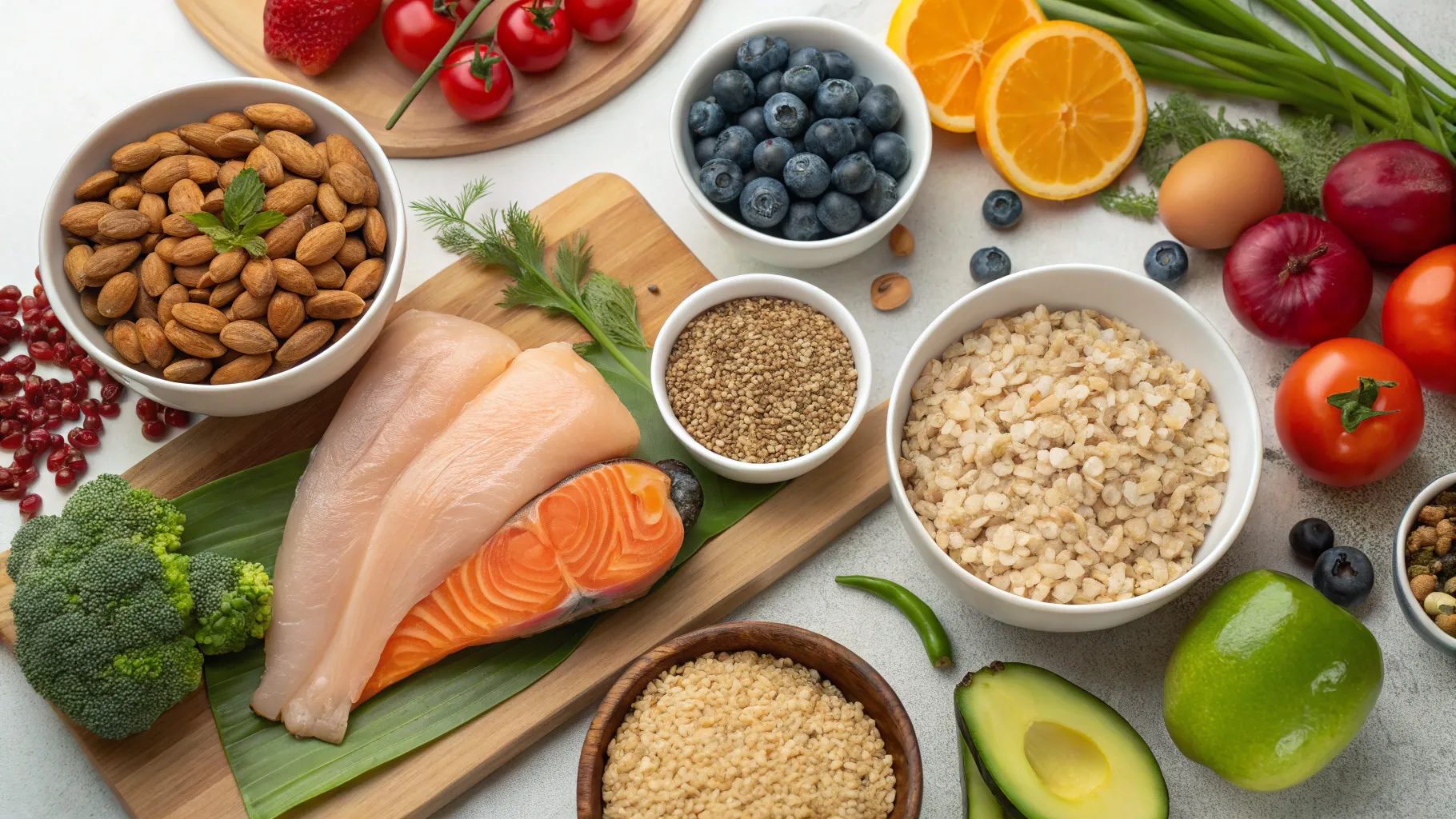
Foods Seniors Should Avoid for Optimal Health
In recent months, health experts have continuously emphasized certain food categories that can negatively impact seniors’ health. Here’s a thorough look at what seniors should be cautious about:
- Processed Foods: Processed foods are often high in sodium, sugars, unhealthy fats, and preservatives. A recent report from the CDC indicates that over 75% of Americans over 65 consume more sodium than recommended. High sodium intake can lead to hypertension, heart disease, and stroke, alarming statistics that warrant attention.
- Sugary Beverages: Many seniors enjoy their afternoon sodas or sweetened teas without realizing the effects. The American Heart Association suggests limiting sugar intake, and for older adults, this is crucial to prevent chronic diseases like diabetes and obesity. Shocking data shows that about 60% of seniors are diagnosed with type 2 diabetes, a condition often exacerbated by excessive sugar consumption.
- Red and Processed Meats: While protein is a vital nutrient, excessive consumption of red and processed meats has been linked to increased risks of colorectal cancer and cardiovascular diseases. In a recent dietary study, older adults who consumed processed meats more than twice a week had a significantly higher chance of developing health complications.
- High-Fiber Foods with Insufficient Water: Foods like nuts, beans, and many vegetables are excellent sources of fiber, but they can cause digestive problems if not paired with adequate hydration. A careful balance is vital, as many seniors experience constipation or other GI issues. Statistics indicate that around 30% of older adults report regular constipation, often linked to insufficient water intake accompanying high-fiber foods.
- Foods High in Saturated and Trans Fats: Baked goods, margarine, and fried foods are typically high in these unhealthy fats. In 2025, it's well-known that consuming saturated and trans fats can raise cholesterol levels and increase the risk of heart disease. Research published in health journals highlighted that seniors who maintain a diet low in these fats are 20% less likely to have heart-related issues.
Why These Foods Are Harmful
After 65, the body undergoes numerous changes that affect metabolism, digestion, and the ability to absorb nutrients. Seniors often face health problems that make them more vulnerable to the negative impacts of unhealthy foods. Let's delve deeper into why it’s essential to avoid these foods:
- Weight Management: Maintaining a healthy weight can be a challenge for older adults, especially if they indulge in calorie-dense foods. A study from the National Institute of Health found that nearly 42% of seniors over 65 are classified as obese, which leads to a myriad of health problems, including joint pain, heart disease, and mobility issues.
- Bone Health: Foods rich in calcium and vitamin D are crucial as we age. However, many processed foods and sugary snacks lack these essential nutrients. Osteoporosis affects nearly 20% of women and 10% of men over the age of 65, underscoring the need for a nutrient-rich diet.
- Cognitive Function: Recent studies highlight the connection between diet and cognitive health among seniors. Diets high in refined carbohydrates and sugars can lead to memory issues and have been linked to an increased risk of Alzheimer’s disease. In reality, those avoiding these foods are 30% less likely to face significant cognitive decline compared to those who consume them frequently.
Food choices are more than just about taste; they significantly impact longevity and quality of life. It’s essential for seniors to be proactive about their dietary habits and mitigate potential health concerns.
Healthier Alternatives to Consider
Now that we’ve outlined which foods seniors should avoid, let’s look at healthier alternatives that can replace these less beneficial options:
- Fresh Fruits and Vegetables: Rich in vitamins, minerals, and antioxidants, these should form the core of any senior’s diet. Berries, for example, have been shown to improve memory and cognitive function, helping older adults stay sharp.
- Whole Grains: Unlike processed grains, whole grains are fiber-rich and more satiating. Brown rice, quinoa, and whole wheat products are excellent substitutes that promote heart health and aid digestion.
- Lean Proteins: Instead of red or processed meats, opt for fish, poultry, and plant-based proteins such as legumes and tofu. These options provide the necessary nutrients without the detrimental effects of unhealthy fats.
- Nuts and Seeds: A small handful of nuts can provide the healthy fats needed for brain health. Packed with omega-3 fatty acids, nuts like walnuts are particularly beneficial for cognitive function.
Making informed dietary choices can usher in a healthier life post-65. Encouraging a diverse, nutritious diet will not only combat health issues commonly faced by older adults but also enhance overall well-being. Awareness of what foods to avoid—and what options to embrace—is indeed the first step towards a fulfilling, healthy lifestyle in your senior years.
Authored by FreshLifeWire team