Top 7 Symptoms of Kidney Disease to Watch For
Understanding Kidney Disease Symptoms
The kidneys are vital organs that play an essential role in maintaining overall health. They filter waste and excess fluids from the blood, balance electrolytes, and produce hormones that regulate blood pressure. As we move through 2025, the prevalence of kidney disease remains a significant health concern, affecting millions globally. Recognizing the symptoms of kidney disease is crucial for early intervention and effective treatment.
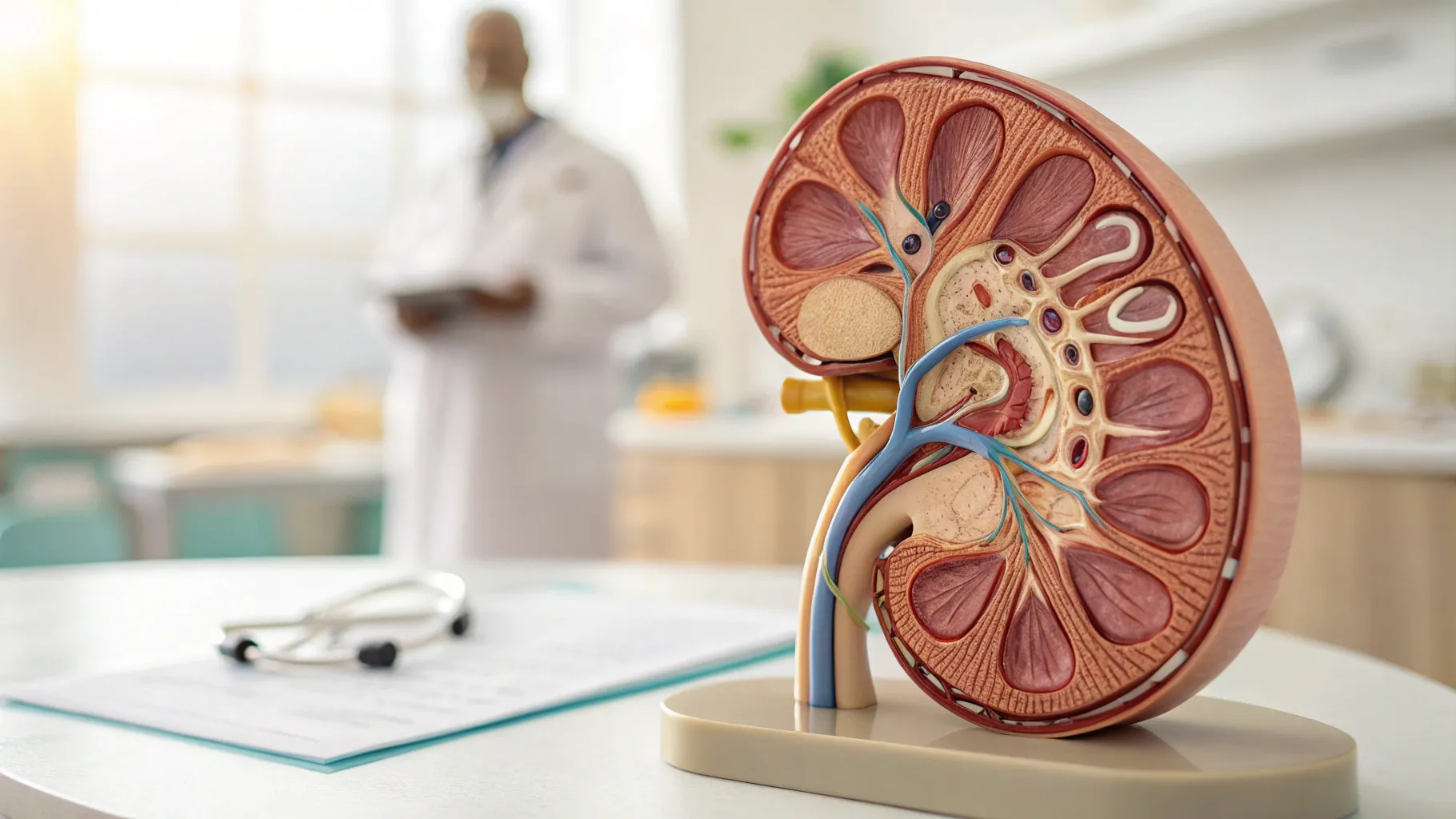
1. Changes in Urination Patterns
One of the most noticeable symptoms of kidney disease is changes in urination habits. Individuals might find themselves urinating more often during the night, a condition known as nocturia, or they may notice a marked decrease in urine output. A recent survey conducted in early 2025 revealed that approximately 30% of participants reported unusual urination patterns. Whether it’s an increased frequency or a sense of urgency, any significant change in urination should prompt a visit to the doctor. Ignoring these signs can lead to complications down the line.
2. Persistent Fatigue and Weakness
Fatigue is not just a sign of a busy lifestyle; it can also indicate underlying health issues, including kidney disease. Anemia, commonly associated with kidney dysfunction, reduces the body’s capacity to transport oxygen, leading to feelings of extreme tiredness. A study published in the Journal of Nephrology highlights that nearly 40% of chronic kidney disease patients reported struggling with fatigue significantly impacting their daily lives. This kind of exhaustion may make simple tasks feel overwhelming and should not be taken lightly.
3. Swelling Caused by Edema
Another hallmark symptom of kidney issues is swelling, often caused by fluid retention. When the kidneys fail to function properly, they can’t effectively filter out excess fluid, leading to edema. Patients may observe swelling in their legs, ankles, or even around their eyes. This not only alters one's appearance but can also lead to discomfort, as the fluid buildup puts pressure on surrounding tissues. Regular monitoring and timely consultations with healthcare providers can help manage these symptoms effectively.
4. Lower Back Pain
Many people dismiss back pain as merely a result of poor posture or strain, yet persistent lower back pain can signal kidney problems. Discomfort in this area could indicate conditions such as kidney stones or infections. Recent clinical observations indicate that around 25% of patients experiencing chronic unexplained lower back pain were later diagnosed with kidney-related issues. If lower back pain persists, especially in conjunction with other symptoms, seeking medical advice is crucial.
5. Appetite Changes and Nausea
A reduced appetite or a feeling of nausea are common complaints among those with kidney disease. Many individuals may find themselves eating less or losing weight unintentionally, which can lead to nutritional deficiencies. Recent survey data shows that about 35% of patients with kidney issues reported significant appetite changes. These symptoms are not just irritating; they can worsen overall health and contribute to more severe complications if not treated appropriately. Consultation with a healthcare provider can help address these dietary challenges.
6. Skin Conditions: Rash and Itching
People undergoing kidney failure may notice skin problems, including rashes and persistent itching. Such skin irritations stem from waste accumulation in the bloodstream. According to recent case studies from the last few months, over 50% of patients with advanced kidney disease experienced skin-related symptoms. These itching sensations can lead to discomfort and, in severe cases, secondary infections from excessive scratching. Engaging in proper skin care and discussing these issues with healthcare professionals can help mitigate these uncomfortable symptoms.
7. Unusual Taste and Breath Changes
Patients with kidney disease often report experiencing a strange metallic taste in their mouths, which can occur as toxins build up in the bloodstream. This condition frequently comes with bad breath, medically referred to as uremic fetor. Surveys conducted in early 2025 show that many patients feel that this metallic taste not only detracts from their food enjoyment but also severely impacts their quality of life. Maintaining good hydration and adhering to a balanced diet may help manage these symptoms, but guidance from a dietitian or healthcare provider is essential.
The Importance of Early Detection of Kidney Disease
Recognizing these symptoms is critical for anyone concerned about their kidney health. Early detection and timely intervention can significantly slow the progression of kidney disease and improve overall outcomes. For individuals at risk, including those with conditions like hypertension or diabetes, regular kidney function screenings are necessary. Health professionals recommend annual check-ups to catch potential issues early, which can assist in maintaining optimal health and preventing severe complications.
In 2025, organizations like the American Kidney Fund continue to spearhead awareness campaigns focusing on kidney health education. These initiatives aim to empower individuals to understand the signs of kidney disease and encourage proactive health management. Through increasing public knowledge, we enhance the likelihood of early diagnosis and treatment, ultimately saving lives.
In summary, being aware of the top symptoms of kidney disease—changes in urination, persistent fatigue, swelling, back pain, appetite changes, skin irritations, and unusual tastes—can significantly impact health management. If you notice any concerning signs, don’t hesitate to contact your healthcare provider. By staying vigilant, we can navigate the challenges of kidney disease more effectively, enhancing our overall well-being.
Authored by FreshLifeWire team