Top 5 Silent Symptoms of Stroke You Should Recognize
Understanding Silent Symptoms of Stroke
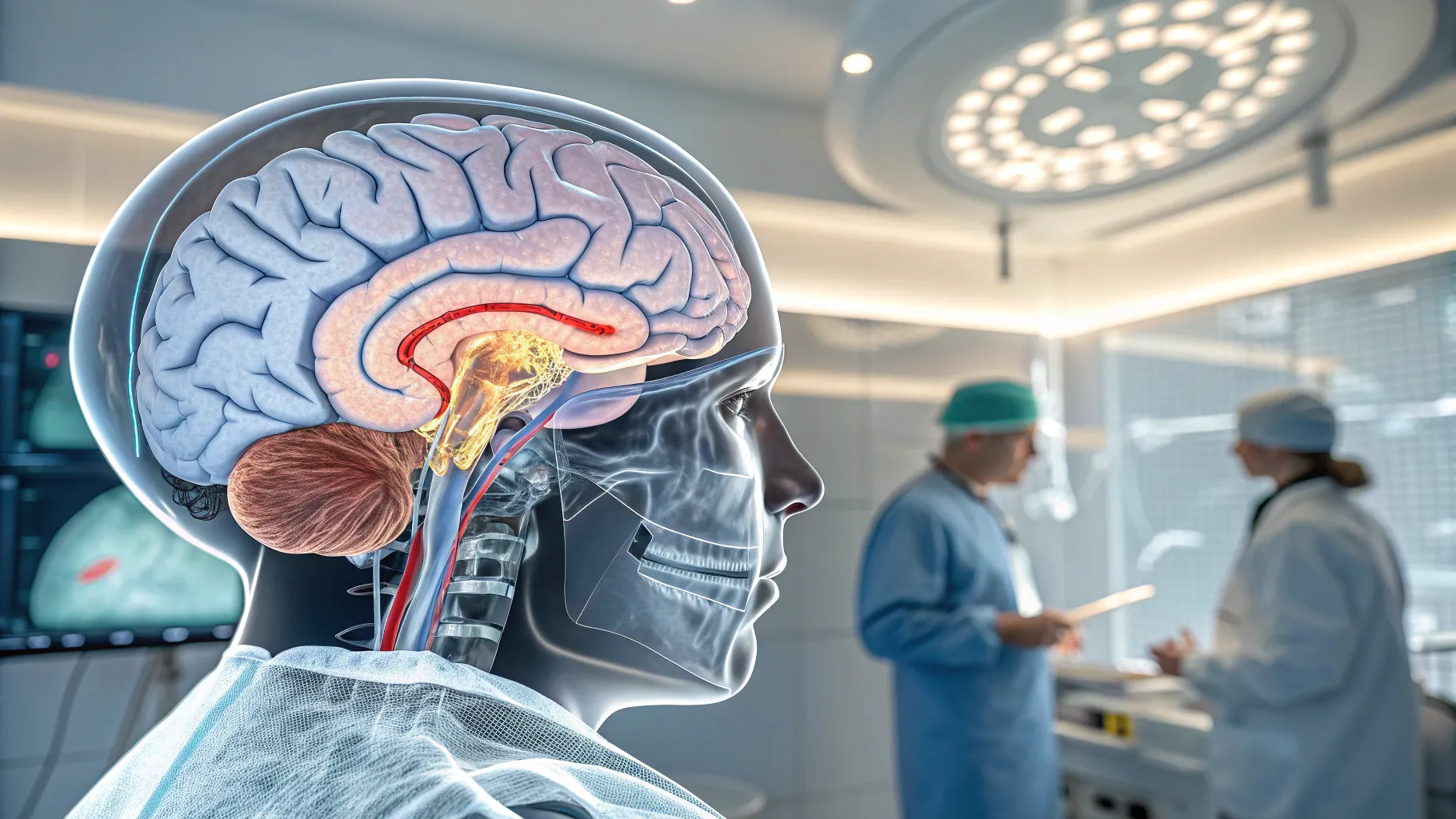
Strokes are known for their sudden and often devastating effects, dramatically impacting lives. Yet, around 25% of strokes are classified as silent, meaning they occur without overt symptoms, leading to unnoticed brain damage. These silent strokes are critical to recognize as they can foreshadow more significant health concerns. Awareness and knowledge will empower you to act when necessary, making it essential to understand the subtle signs that can accompany silent strokes.
1. Subtle Changes in Vision
Many might not associate changes in vision with stroke risk, yet they can serve as early indicators. For instance, the occurrence of temporary blurriness or double vision, particularly if it happens unexpectedly, should not be ignored. Recent studies published in the Journal of Neurology indicate that older adults are especially vulnerable to silent strokes manifesting through these visual anomalies. It’s crucial to connect these symptoms to possible neurological issues, as timely medical evaluation can facilitate better outcomes.
2. Mild Confusion and Memory Loss
It's perfectly common to forget where you left your keys. However, if you start facing pronounced difficulties with simple tasks or experience sudden lapses in memory, it might be time to take a closer look. According to recent case studies, mild cognitive impairment can be a sign of an impending silent stroke. Individuals often dismiss these symptoms as mere signs of aging, but acknowledging them as serious signals can lead to preventive measures and improved mental health. Understanding that cognitive changes can accompany silent strokes is essential for early intervention, allowing for appropriate treatment and management before more critical symptoms manifest.
3. Alterations in Balance and Coordination
A sudden struggle with balance can indicate more than just a slip or trip; this could be a silent stroke's warning sign. Individuals may find themselves feeling unsteady while walking, navigating stairs, or even standing still. A notable study from Stanford University reinforces the connection between balance and cerebrovascular incidents, showcasing how subtle balance issues can precede more severe stroke complications. Recognizing these changes and addressing them with healthcare providers could lead to early diagnosis and intervention, enhancing quality of life.
4. Persistent Fatigue
Chronic fatigue afflicts many, yet it often masks something more serious. When feelings of tiredness persist without a clear cause, it may indicate underlying health issues, including silent strokes. The National Health Institute recently highlighted how individuals who underwent silent strokes frequently reported fatigue days or weeks before significant symptoms emerged. Unlike the typical fatigue we all experience, this exhaustion feels deeper, almost debilitating. Paying attention to your energy levels and any unexplained fatigue should prompt discussions with healthcare professionals; they can help investigate potential causes through appropriate testing and evaluations.
5. Sudden Mood Swings or Emotional Changes
Have you noticed dramatic emotional fluctuations that seem out of character? Sudden mood swings, anxiety, or feelings of sadness may not just be linked to everyday stressors as many might assume. Research published in the American Journal of Psychiatry shows a clear relationship between these emotional changes and silent strokes. Recognizing these shifts early and discussing them with a medical expert can provide clarity, offering pathways to interventions that support both mental and physical health.
Recognizing and Responding to Silent Stroke Symptoms
Understanding the signs of silent strokes empowers individuals to take immediate steps toward maintaining their health. If you or someone dear to you experiences any of these subtle indicators, seeking medical assistance is imperative. Unlike typical strokes, silent strokes may not prompt emergency treatments right away; however, obtaining medical imaging such as MRIs or CT scans can unearth hidden conditions and offer peace of mind. Prompt diagnosis is key in mitigating potential brain damage.
- Know Your Risk Factors: Factors such as high cholesterol, high blood pressure, diabetes, and a history of transient ischemic attacks (TIAs) greatly increase the likelihood of strokes. Regular check-ups can help manage these risks effectively.
- Stay Informed and Educated: Raising awareness about silent strokes within families and community discussions can heighten recognition of these risks and improve early detection rates.
- Consult Health Professionals: If you notice any silent symptoms, consult healthcare providers who can recommend appropriate tests to assess your cognitive health. Early evaluation can guide necessary lifestyle adjustments or medical interventions.
The Importance of Silent Stroke Awareness
The urgency to address silent strokes has never been greater in 2025, as ongoing education and awareness are essential in reducing the prevalence and severity of these events. Many individuals unknowingly endure silent strokes, only to discover their implications when more severe symptoms arise. With an estimated 795,000 strokes occurring annually in the United States alone, understanding silent symptoms undeniably is vital.
Increased public education has shown a correlation with higher early detection rates, emphasizing the necessity of discussing silent stroke symptoms openly. Fostering better awareness involves engaging with healthcare providers, facilitating regular assessments, and sharing insights into maintaining brain health. The ultimate goal is to catch silent strokes before they escalate into more disastrous health events, so prioritize these discussions with loved ones and plan routinary health evaluations.
As we navigate the complexities of brain health, recognizing the significance of silent symptoms becomes paramount. In a world where health outcomes are increasingly dependent on individual awareness and proactive health management, embracing these conversations and experiences can greatly materially impact lives. With vigilant attention to these unnoticed signs, individuals can chart a course towards healthier, longer lives.
Authored by FreshLifeWire team