Top 5 Silent Symptoms of Stroke You Must Know Today
Top Silent Symptoms of Stroke You Shouldn't Ignore
Stroke remains one of the leading causes of death and long-term disability globally. In fact, a stroke occurs approximately every 40 seconds in the United States, according to recent statistics from 2025. While many are familiar with the unmistakable indicators of a stroke, such as sudden numbness or difficulty speaking, it is crucial to also recognize the silent symptoms that can easily be overlooked. In this article, we're diving into the top five silent symptoms of stroke, offering insights that could potentially save lives.
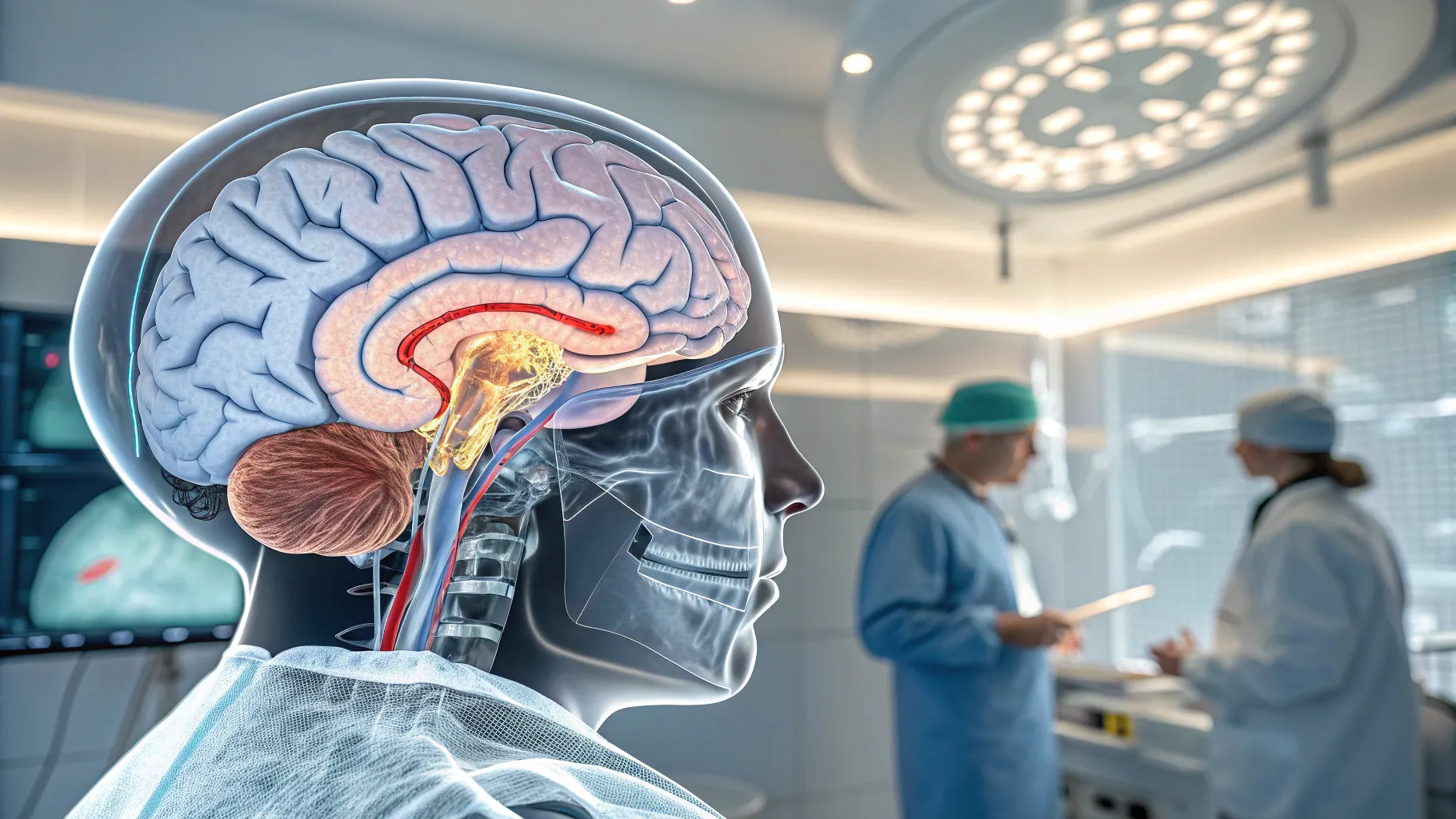
Why Knowing Silent Stroke Symptoms is Crucial
A stroke happens when blood flow to the brain is either interrupted or significantly reduced. This disruption leads to brain damage, and recognizing silent yet significant symptoms can be critical for timely medical intervention. Research published in the journal Neurology indicates that nearly 25% of strokes present with no clear symptoms, emphasizing the importance of being aware of subtle signs. This guide will help you identify these quiet symptoms that may indicate an underlying issue.
- 1. Sudden Changes in Mood
Do you notice fluctuating moods in yourself or others? While sudden emotional shifts may not directly scream "stroke," they can be warning signs. Mood changes like heightened agitation, confusion, or unexpected swings in emotion can serve as a precursor to a stroke. A recent study has shown that older adults are particularly vulnerable, as brain malfunctions resulting from reduced blood flow can significantly alter emotional responses.
- 2. Unexplained Fatigue
Feeling excessively tired with no rationale is another potential red flag. Healthcare professionals are reporting an increase in cases where individuals experienced overwhelming fatigue ahead of a stroke. This type of fatigue is often misattributed to stress, sleep deprivation, or age. However, it could very well be your brain signaling that something is amiss and should not be ignored.
- 3. Persistent Dizziness or Vertigo
Dizziness is a common complaint, yet when it becomes persistent, it requires attention. A poignant case from earlier in 2025 involved a young woman who experienced ongoing dizziness before having a stroke. Many attribute these feelings to inner ear issues when, in fact, they can indicate significant problems within the brain. Frequent bouts of dizziness could suggest that blood flow is not meeting the brain’s needs, urging immediate medical evaluation.
- 4. Changes in Vision
Unexplained visual changes should not be dismissed lightly. Whether it’s sudden blurriness, double vision, or seeing unexplained spots, these changes can precede serious health events. An ophthalmological study published in the first half of 2025 noted that individuals experiencing transient visual disturbances were often later diagnosed with strokes or significant vascular problems. Frequent changes in vision warrant prompt attention; your eyes may be offering clues about larger health issues.
- 5. Intermittent Numbness or Weakness
While the classic warning sign of sudden numbness, especially on one side of the body, is well-known, the quieter variation of intermittent weakness or tingling can also signal an underlying problem. Reports from the American Stroke Association emphasize that strange sensations, even if they are temporary, should be evaluated by healthcare professionals. Any instance of unusual numbness is cause for concern and should not be brushed aside.
The Importance of Stroke Awareness
Knowledge of these silent symptoms can be lifesaving. Every minute that a stroke goes untreated can lead to devastating consequences. A compelling case this year involved a woman who, aware of her sudden dizziness and mood swings, sought immediate medical care that ultimately protected her from severe brain injury. Raising awareness about stroke signs, especially the silent ones, can empower individuals and communities alike to act swiftly.
Healthcare providers consistently encourage individuals to have conversations about stroke prevention and symptom recognition. This kind of proactive approach can lead to quicker responses in emergency situations, potentially saving lives.
How to Reduce Your Risk of Stroke
Alongside understanding silent symptoms, reducing stroke risk is a pivotal aspect of awareness. Regular health check-ups, adhering to a balanced diet rich in fruits and vegetables, and staying physically active can significantly lower your chances of experiencing a stroke. Monitoring your blood pressure, cholesterol levels, and maintaining a healthy weight are crucial steps as well. Family history also plays a role; understanding genetic predispositions can help you and your doctor tailor preventative measures effectively.
Additionally, making lifestyle changes such as quitting smoking and managing chronic conditions, including diabetes, can greatly enhance overall health and reduce stroke risk. Following these simple yet impactful steps can lead to improved long-term outcomes.
In today’s fast-paced world, where health is often put on the back burner, being knowledgeable about both overt and subtle signs of a stroke is more critical than ever. Remember, strokes do not always present clear symptoms; the silent indicators often carry weight and significance. Stay vigilant, educated, and proactive about recognizing these key signs to ensure you and your loved ones remain safe and healthy.
Authored by FreshLifeWire team