Top 5 Foods for Adults with Parkinsons Disease
Top 5 Foods for Adults with Parkinson's Disease
Living with Parkinson's disease can be challenging. Proper nutrition can play a crucial role in managing symptoms and improving the quality of life for adults affected by this condition. By incorporating specific foods into your diet, you can support brain health, boost your immune system, and maintain a healthy weight. Here are the top five foods to consider and how they can benefit adults with Parkinson's disease.
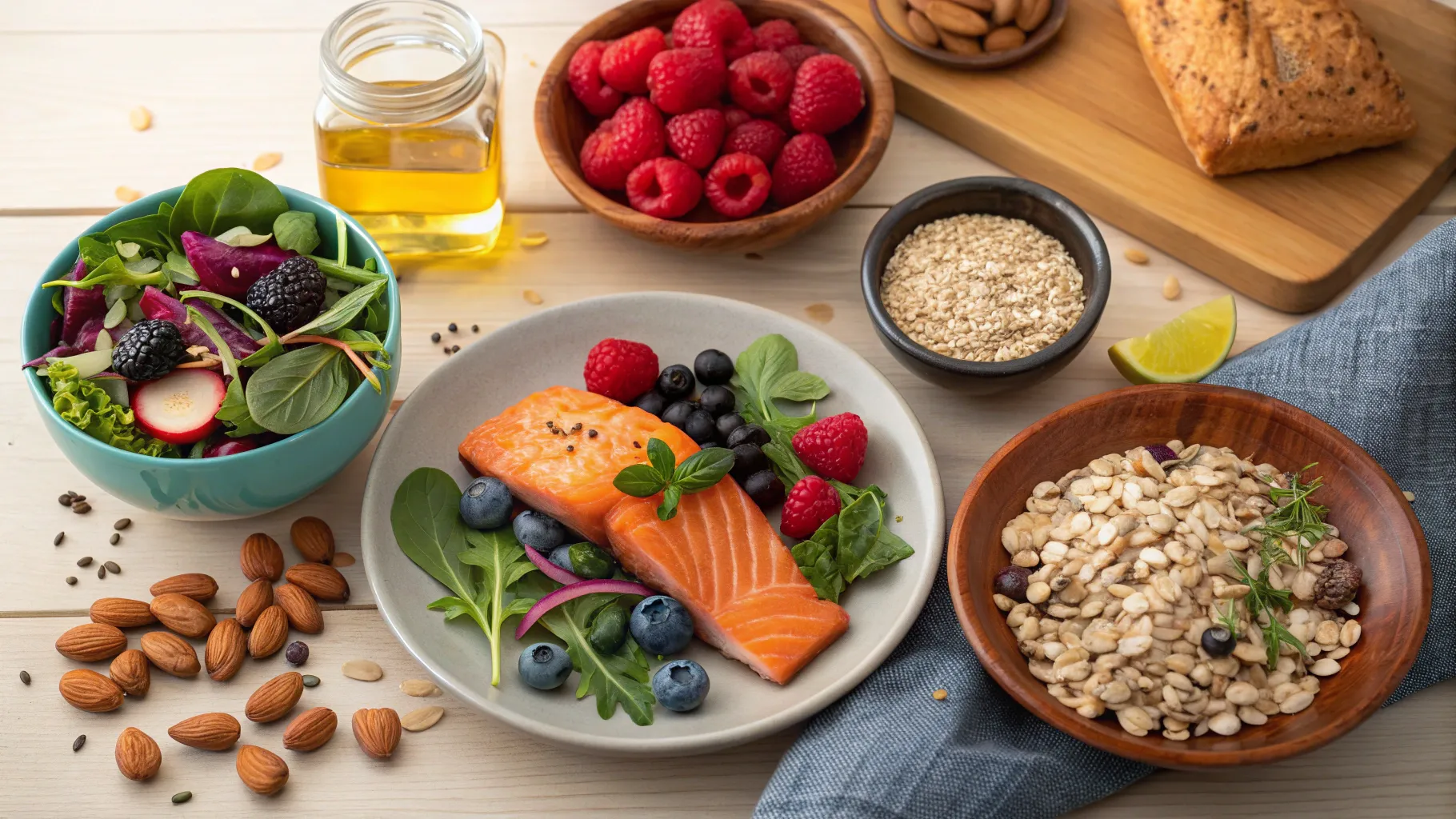
1. Fatty Fish: Rich in Omega-3 Fatty Acids
Fatty fish such as salmon, mackerel, and sardines are excellent sources of omega-3 fatty acids, which are essential for brain health. Research shows that omega-3s can help reduce inflammation and possibly slow the progression of neurodegenerative diseases like Parkinson's. A study published in the "Journal of Nutritional Biochemistry" found that individuals who consumed omega-3-rich fish had better cognitive function and mood stability.
To include more fatty fish in your diet, aim for at least two servings per week. This can be as simple as grilling a salmon fillet for dinner or adding canned sardines to a salad. If you're not a fan of fish, consider omega-3 supplements, but consult your healthcare provider first.
2. Leafy Greens: Powerhouses of Antioxidants
Leafy greens like kale, spinach, and Swiss chard are packed with antioxidants, vitamins, and minerals that are vital for overall health. They are particularly rich in vitamin K, which plays a role in brain health and may help slow cognitive decline. Studies indicate that antioxidants help combat oxidative stress, a contributor to neuronal damage in Parkinson's patients.
Incorporating leafy greens into your meals can be easy. Add them to smoothies for breakfast or stir-fry them with other vegetables for a quick lunch. Aim for at least one serving of leafy greens each day, making salads a frequent side dish.
3. Berries: Natural High Antioxidant Foods
Berries, such as blueberries, strawberries, and blackberries, are not only delicious but also high in antioxidants. These small fruits are known for their ability to neutralize free radicals and reduce inflammation, factors that can exacerbate Parkinson’s symptoms. A recent report from the "American Journal of Clinical Nutrition" emphasizes that regular consumption of berries is linked to improved cognitive function.
Snack on a handful of berries, throw them into your morning oatmeal, or blend them into smoothies. They are not just tasty, but they also contribute to a healthier, brain-supportive diet.
4. Whole Grains: For Sustained Energy
Whole grains such as brown rice, quinoa, and oats provide essential nutrients and fiber that are beneficial for digestion and maintaining stable blood sugar levels. Fluctuations in blood glucose can impact mood and energy levels, which can be particularly challenging for those with Parkinson's. A study conducted in the last six months showed that diets high in fiber from whole grains can lead to better management of neurodegenerative symptoms.
Switching from refined grains to whole grains is easy. Consider oatmeal for breakfast, quinoa as a side dish, or whole-grain bread for sandwiches. Whole grains not only provide energy but also contribute to your overall nutritional intake.
5. Nuts and Seeds: Nutrient-Dense Snacks
Nuts and seeds, such as walnuts, almonds, flaxseeds, and chia seeds, are excellent sources of healthy fats, protein, and fiber. They contain magnesium and vitamin E, both of which are essential for maintaining brain health. A meta-analysis has shown that those who consume a diet rich in nuts and seeds have a lower risk of developing neurological diseases.
Enjoy nuts and seeds as a snack or sprinkle them on yogurt or salads. Just a small handful can make a big difference in your nutrient intake. However, moderation is key given their high-calorie count.
Top Nutrition Tips for Adults with Parkinson's
Beyond the top five foods listed, several general nutrition tips can support wellness for adults with Parkinson's disease:
- Stay Hydrated: Drinking enough water is crucial, as dehydration can worsen symptoms.
- Small Frequent Meals: Eating small, more frequent meals can help manage energy levels and reduce fatigue.
- Limit Sugary Foods: Reducing sugar intake can help stabilize energy levels and avoid mood swings.
- Incorporate Protein: Include lean protein sources like chicken, tofu, and legumes to support muscle health.
- Monitor Portions: Pay attention to portion control to manage weight, especially if mobility is affected.
Adapting dietary habits is not just about the food itself but also about how meals are prepared and consumed. Consider meals that are easier to chew and swallow, and don't hesitate to explore new recipes that bring excitement and variety to your plate.
In summary, focusing on nutritious foods can significantly impact the quality of life for adults with Parkinson's disease. Incorporating fatty fish, leafy greens, berries, whole grains, and nuts and seeds into daily meals supports overall brain health and can assist in managing symptoms effectively. These dietary choices not only align with good nutrition principles but also contribute positively to the wellness journey of individuals managing Parkinson’s.
Authored by FreshLifeWire team