Top 5 Early Symptoms of Lung Cancer You Should Know
Recognizing the Early Symptoms of Lung Cancer in 2025
Lung cancer stands as one of the most significant health challenges globally, continuing to be a leading cause of cancer-related deaths. According to the World Health Organization, lung cancer accounted for approximately 18% of all cancer fatalities as reported earlier this year. Understanding the early symptoms is essential for facilitating early diagnosis and improving survival rates. In this article, we will explore five key early symptoms that may indicate the presence of lung cancer.
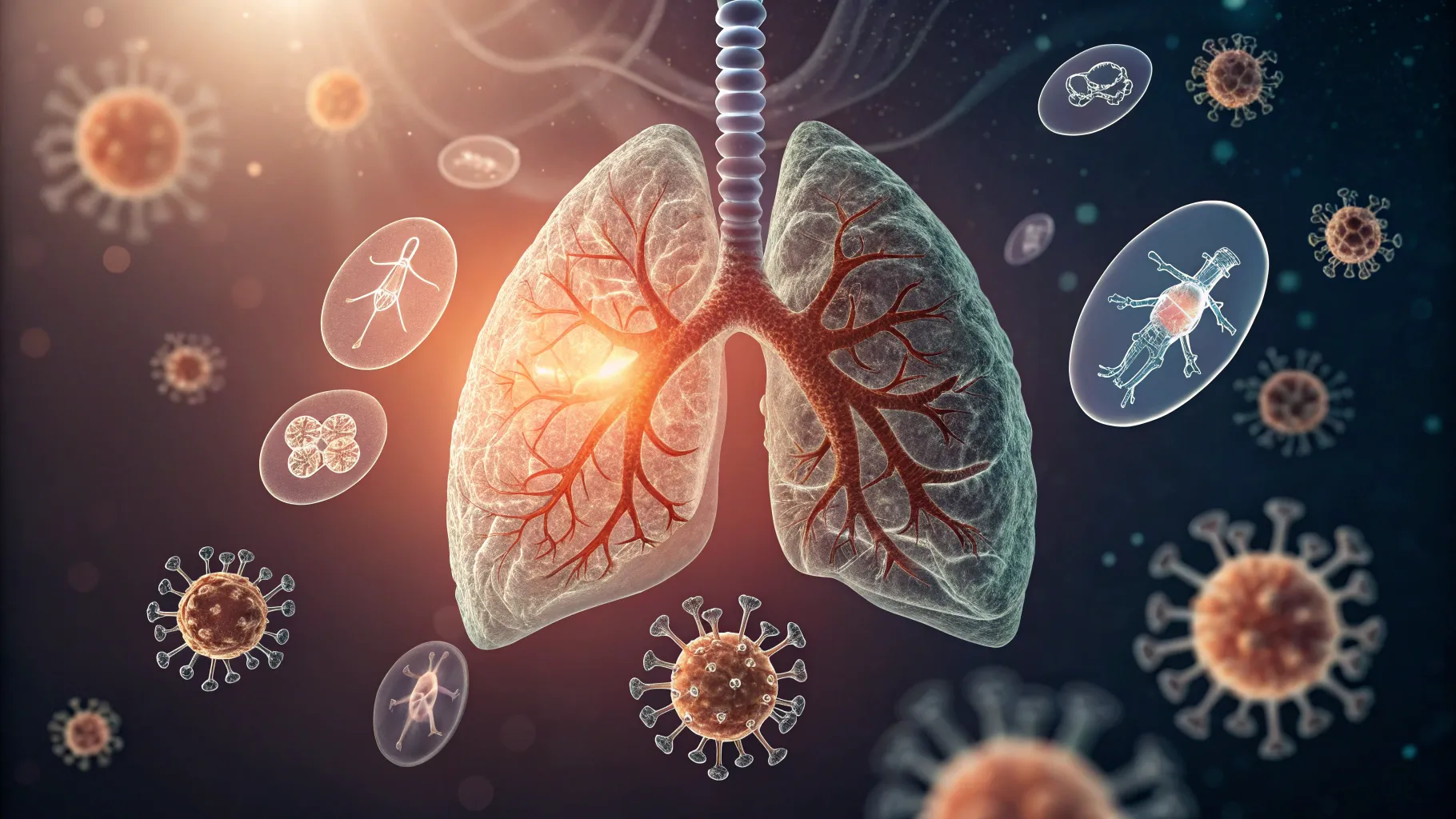
1. Persistent Coughing
One of the hallmark signs signaling potential lung cancer is a persistent cough. If you're experiencing a cough that endures for more than two weeks, it is crucial to consult your healthcare provider. Recent studies highlight that more than 50% of lung cancer patients report having a chronic cough. Initially, this cough may be dry but can escalate into a more productive one, often producing blood-streaked sputum.
Ignoring a persistent cough can have dire consequences, as it may lead to delayed diagnosis and subsequent treatment complications. It is vital to pay attention to any changes in the cough's intensity or type. Early detection significantly influences treatment options and outcomes.
2. Shortness of Breath
Another prevalent symptom in lung cancer cases is shortness of breath, occurring in nearly 75% of patients as the disease progresses. This sensation can unexpectedly arise during ordinary activities such as walking or climbing stairs, which many may mistake for aging or a lack of fitness.
In the early stages, you might notice an unusual degree of fatigue or a feeling of becoming easily out of breath. If these symptoms persist, seeking medical evaluation becomes critical. While shortness of breath may indicate lung cancer, it can also be associated with other serious conditions like asthma or chronic obstructive pulmonary disease (COPD).
3. Chest Pain
Experiencing chest pain can be alarming, and it varies significantly from person to person. It may present as a dull ache or sharp sensation that intensifies during actions like coughing, laughing, or inhaling deeply. Recent clinical trials indicate that approximately 40% of lung cancer patients report chest pain at some stage in their illness.
This symptom often feels localized on one side of the chest but can also radiate to the shoulder or the back. Differentiating lung cancer-related pain from pain caused by other conditions, such as heart issues or muscle strains, is crucial. If you experience chest pain in conjunction with a persistent cough or unexpected weight loss, discussing these symptoms with a healthcare professional is vital.
4. Unexplained Weight Loss
Unexplained weight loss is often an overlooked yet significant symptom of lung cancer. Losing more than 10% of your body weight within six months without any conscious effort or lifestyle change can act as a red flag. Research indicates that around 60% of lung cancer patients experience this symptom at the time of their diagnosis. This weight loss may stem from the body’s reaction to cancer, as it fights off the disease and copes with increased metabolic demands, alongside loss of appetite caused by the tumor.
If you are experiencing weight loss without altering your diet or exercise habits, it is essential to seek evaluation from a healthcare provider. While this symptom can sometimes be attributed to stress or various health conditions, timely assessment could clarify its origin.
5. Frequent Respiratory Infections
Individuals battling lung cancer may find themselves dealing with respiratory infections like pneumonia or bronchitis more frequently. Cancerous cells can block airways or provoke inflammation in lung tissues, leading to these recurrent infections. Recent surveys report that about one-third of lung cancer patients experienced chronic bronchitis or pneumonia before diagnosis.
Many times, these respiratory illnesses can be mistaken for common colds, especially during flu seasons. If you notice that respiratory infections occur more frequently or manifest unusually severe symptoms, further medical investigation may be warranted to exclude serious conditions like lung cancer.
The Significance of Early Detection in Lung Cancer
Raising awareness about the early symptoms of lung cancer is vital, but understanding the importance of early detection cannot be overstated. A 2025 report from the National Cancer Institute shows a staggering increase in the five-year survival rate for lung cancer—from a mere 6% when detected at late stages to an impressive 55% when diagnosed early. This critical data emphasizes the urgency of identifying early symptoms and promptly seeking medical advice.
Regular health screenings are particularly recommended for those at higher risk, such as individuals with a history of smoking or a family history of lung cancer. With advancements in technology, digital health tools now provide innovative options for home-based screenings, allowing individuals to take proactive measures regarding their lung health.
It is paramount to communicate openly with healthcare practitioners about any concerning symptoms. Early interventions not only enhance the efficacy of treatment but also significantly improve overall health outcomes. While awareness of these early symptoms is crucial, understanding your body and seeking timely help when experiencing unusual changes can be instrumental in preventing serious complications related to lung cancer.
In summary, lung cancer, although a formidable opponent, can see improved outcomes with early recognition of symptoms. By staying informed and proactive, individuals can contribute to their health and well-being, ensuring they have the best chance at effective and timely treatment.
Authored by FreshLifeWire team