Top 3 Symptoms of a Brain Tumor You Should Know
Understanding the Top 3 Symptoms of a Brain Tumor
In today's healthcare landscape, brain tumors continue to be a pressing concern affecting countless individuals and their families. With advancements in medical technology and treatment options in 2025, early detection of brain tumors can significantly alter the course of treatment and recovery. Recognizing the top three symptoms of a brain tumor can be vital in prompting timely medical intervention.
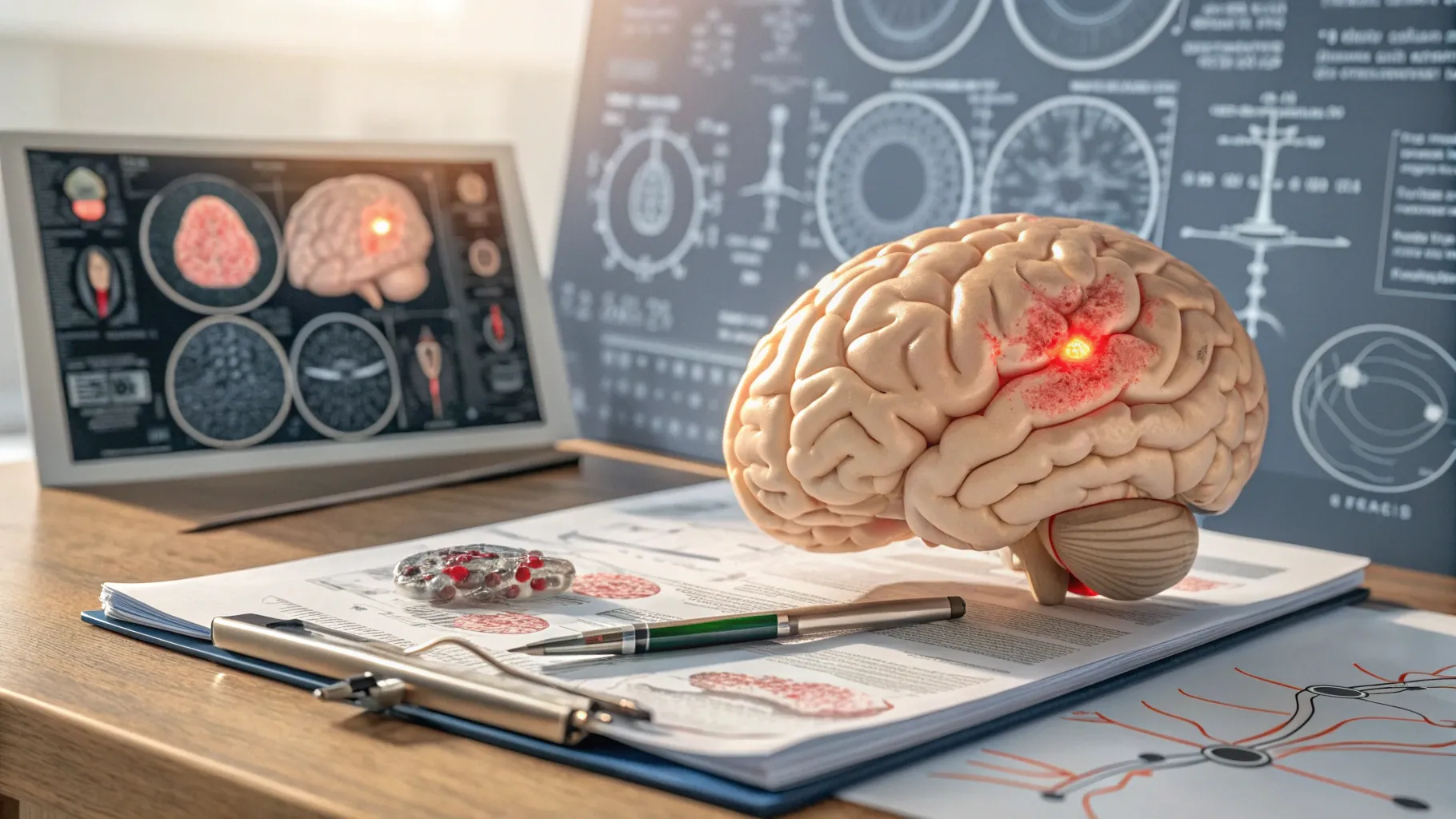
The First Symptom: Persistent Headaches
One of the most recognizable symptoms of brain tumors is persistent headaches, which can be alarming. These are not just ordinary headaches; they are more intense, often described as severe or different from typical headache patterns. About 40% of individuals diagnosed with brain tumors have reported these headaches as their primary complaint. They often manifest in the morning, disrupting sleep and leading to discomfort throughout the day.
What sets these headaches apart is their association with other symptoms, including nausea and vomiting. Increasing intensity during physical activity or a change in body position can signal an underlying issue. Specific tumors, such as gliomas and meningiomas, may contribute to these particular headache patterns. Keeping track of the frequency and severity of headaches is crucial, especially if they linger or appear alongside alarming symptoms. In such cases, consulting a medical professional becomes essential.
Second Symptom: Altered Vision or Hearing
Another significant symptom to be aware of is alterations in vision or hearing. Approximately 30% of patients diagnosed with brain tumors experience some form of visual disruption. These changes may present as blurred vision, double vision, or a decrease in visual acuity, primarily occurring due to tumors applying pressure on the areas of the brain that process visual information.
Hearing issues, including sudden hearing loss or tinnitus (ringing in the ears), can indicate that tumors are impacting the auditory pathways. This symptom can be particularly concerning when it develops abruptly or intensifies over time. It is vital to consult a healthcare professional to investigate the root cause, as an early diagnosis can significantly enhance treatment effectiveness and outcomes.
Third Symptom: Cognitive and Behavioral Changes
Perhaps one of the more distressing groups of symptoms is the cognitive and behavioral changes often reported by individuals with brain tumors. Approximately 20% of patients note alterations in memory, attention, or overall cognitive function. As a tumor expands, it may affect various brain regions, resulting in shifts in personality, increased difficulty concentrating, or even the occurrence of seizures.
For example, you might notice someone close to you becoming more forgetful or encountering mood variances. Such changes can be subtle at first and may gradually escalate, significantly impacting daily activities and relationships. Recent case studies illustrate that many individuals exhibiting these cognitive changes have later been diagnosed with brain tumors. Thus, if a loved one shows these symptoms, approaching the situation with compassion and encouraging them to seek professional help is crucial.
Other Symptoms to Consider
While we have outlined the top three symptoms of a brain tumor, it is imperative to acknowledge that other signs may also be present. These additional symptoms can include:
- Nausea and vomiting: These symptoms often arise without an evident cause and can indicate increased intracranial pressure.
- Balance issues: Difficulty maintaining balance or walking may indicate that a tumor is affecting the cerebellum.
- Weakness or numbness: A sudden loss of motor function in an arm or leg can signal a more serious condition.
- Seizures: New-onset seizures may occasionally be the first sign of a brain tumor.
The Importance of Early Detection
Given the severe implications surrounding brain tumors, early detection and intervention can lead to improved prognoses and therapeutic options. Public awareness of symptoms is essential because many individuals might incorrectly attribute these issues to less serious health concerns. In today’s medical climate, it has become increasingly important to prioritize awareness and proactive healthcare strategies. Regular check-ups remain crucial, especially for those with risk factors or family histories of brain tumors.
With ongoing advancements in imaging technology, like MRI and CT scans, healthcare facilities now possess tools capable of diagnosing tumors more rapidly and accurately. Studies conducted over the past six months emphasize that early diagnosis correlates with enhanced treatment outcomes. This underscores the necessity for understanding and recognizing symptoms, allowing for prompt medical intervention.
As you navigate health and wellness in 2025, it’s vital not to underestimate the significance of being informed. By identifying the top three symptoms of a brain tumor, you play a critical role in advocating for yourself or your loved ones. Remain vigilant, continue to educate those around you, and never hesitate to consult a healthcare professional if symptoms raise concern.
Incorporating healthy lifestyle choices, being attentive to bodily changes, and engaging in open dialogue about health can all contribute to better outcomes in managing or preventing severe conditions such as brain tumors. Remember, knowledge is your ally in the journey toward optimal health.
Authored by FreshLifeWire team