Tips to Minimize Scars After Areola Surgery Effectively
Understanding Areola Surgery and Scarring
Areola surgery, whether for cosmetic enhancement, breast reconstruction, or tattoo removal, has gained significant popularity in recent years. However, like any surgical procedure, it involves some degree of scarring. With the number of procedures increasing, particularly post-mastectomy options, weary patients are often concerned about the cosmetic outcome and lasting scars. The good news is that there are numerous effective strategies to minimize these scars, ensuring a smoother recovery and more pleasing aesthetic results.
Effective Scar Reduction Techniques
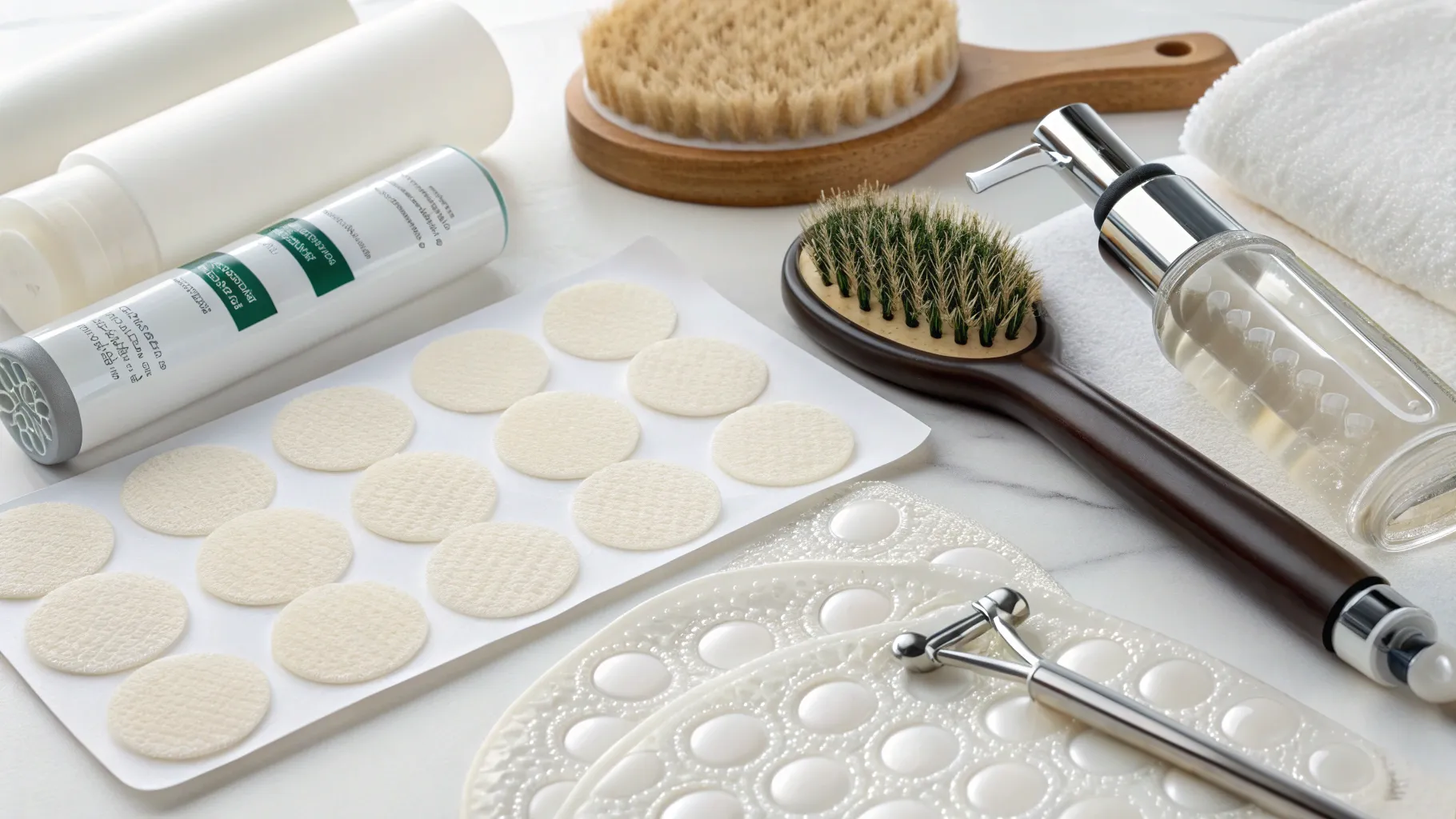
One of the primary goals of anyone considering areola surgery is to achieve the best possible cosmetic outcome, and understanding scar reduction options is crucial. Here are some tips and treatment options that can aid in minimizing scars after areola surgery:
- Topical Creams: Using specialized topical creams post-surgery can have a remarkable influence on the healing process. Many dermatologists recommend silicone gel sheets or silicone gel, which are known to hydrate the scar and flatten it. Additional creams containing ingredients like vitamin E or onion extract may also support healing. However, it’s essential to consult your surgeon before starting any topical treatment, as they can advise on the best products tailored to your skin type.
- Sun Protection: Protecting your scars from sun exposure is vital during the healing phase. UV rays can lead to hyperpigmentation, making scars more noticeable. Consider using a high-SPF sunscreen on the surgical area, even during cloudy days, for at least six months post-surgery. Physical barriers like hats and clothing can also offer protection.
- Massage Therapy: Gentle massage of the scarred area can enhance blood flow, which may reduce scarring. Many surgeons suggest starting massage therapy as soon as the incision has healed sufficiently, typically after a few weeks.Individual techniques can include circular motions or stretching the surrounding skin. Consult with a therapist specializing in postoperative care to ensure you adopt safe and effective methods.
- Hydration and Nutrition: Maintaining overall health through proper hydration and nutrition can positively influence the healing process. Diets rich in vitamins A, C, and E, as well as zinc and protein, can help support tissue repair. Staying hydrated keeps your skin supple and aids in healing, reducing the appearance of scars.
- Laser Treatments: If scars persist and remain prominent after healing, laser treatments become a viable option. Fractional laser therapy effectively reduces scar visibility by resurfacing the skin. Consulting a licensed dermatologist to discuss this option can provide patients with tailored solutions that often yield excellent results.
- Microneedling: Another innovative treatment that shows promise for scar reduction is microneedling. This involves using fine needles to create micro-injuries in the skin, triggering the body’s natural healing process. As a result, collagen production increases, which can noticeably improve scar texture and appearance over time.
The Healing Journey
The healing journey is as much about physical recovery as it is about managing expectations. Understanding that scars may take time to mature and fade is essential. The appearance of scars can change for up to a year or more following surgery. Early intervention with the above treatments often yields better outcomes, so it’s important to stay proactive.
Moreover, emotional well-being plays a significant role in recovery. Body image can be a source of stress or anxiety for some, especially following procedures like areola surgery. Discussing concerns with friends, family, or a counselor can be beneficial. Sharing experiences with others who have undergone similar surgeries can also provide comfort and insights on scar management.
Cost Considerations of Scar Treatments
When weighing options for scar management post-areola surgery, understanding the costs associated with various treatment options is crucial. Topical creams can range from $20 to $100, making them one of the most affordable options. Laser treatments and microneedling can vary significantly based on the provider and location, with costs typically ranging from $300 to over $1500 per session.
Insurance coverage for these treatments can also vary. Some carriers may cover post-operative care if deemed medically necessary, while others may categorize laser treatment or microneedling as purely cosmetic. It’s advisable to consult your insurance provider and discuss with your surgeon to ensure you understand potential out-of-pocket costs.
Customized Scar Management Plans
The best approach to scar reduction post-areola surgery is personalized care. What works for one individual may not suit another due to differing skin types, healing rates, and genetic predispositions to scarring. For this reason, working alongside your healthcare team to develop a custom scar management plan tailored to you is invaluable.
Don’t hesitate to bring up any concerns or curiosities with your surgical team. They are there not only to perform the surgery but also to help guide you through the entire process, including optimal recovery and scar management. Patience, combined with informed choices and treatment options, can pave the way for a successful cosmetic outcome.
Ultimately, while scars may be an inevitable part of areola surgery, a proactive approach to care can significantly minimize their appearance, allowing individuals to recover not just physically but also emotionally, embracing their renewed body image with confidence.
Authored by FreshLifeWire team