Throat Cancer Causes Symptoms Treatment and Prevention Guide
Understanding Throat Cancer Causes
Throat cancer, a type of head and neck cancer, can affect various parts of the throat, including the pharynx and larynx. Understanding the causes of throat cancer is critical for prevention and timely diagnosis. While the exact origins of throat cancer remain unclear, certain risk factors have been linked to its development.
- Tobacco Use: Smoking and the use of smokeless tobacco are the primary risk factors. Statistics show that over 70% of throat cancer cases are attributable to tobacco usage.
- Alcohol Consumption: Heavy drinking significantly increases the likelihood of developing throat cancer. Those who consume both alcohol and tobacco have a dramatically higher risk.
- HPV Infection: Human papillomavirus (HPV), particularly types 16 and 18, is increasingly recognized as a cause, particularly in oropharyngeal cancers. Recent studies have highlighted that HPV-positive throat cancer cases are rising among younger individuals.
- Age and Gender: Throat cancer is more common in older adults, and men are more likely to develop this disease than women.
- Poor Oral Hygiene: Chronic irritation from poorly fitting dentures or other dental issues can also increase risk.
- Environmental Factors: Exposure to certain chemicals and substances, particularly in occupational settings, may contribute to throat cancer.
Throat Cancer Symptoms
Detecting throat cancer early can significantly improve treatment outcomes. Some common throat cancer symptoms include:
- Persistent Cough: A chronic cough that does not improve can be a key indicator.
- Changes in Voice: Hoarseness or changes in the voice lasting more than two weeks may signal a problem.
- Difficulties Swallowing: Pain or difficulty during swallowing is often reported by those affected.
- Sore Throat: A sore throat that persists despite treatment can be a warning sign.
- Unexplained Weight Loss: Losing weight without trying is often a symptom of more severe health conditions.
- Ear Pain: Referred pain in the ear is sometimes associated with throat cancer.
If any of these symptoms persist, it is crucial to seek medical attention. Early diagnosis can lead to more effective treatment, which brings us to the next essential topic.
Throat Cancer Treatment Options
Modern medicine offers several treatment options for throat cancer, depending on the cancer's stage, location, and the patient's overall health. Here are the primary approaches:
- Surgery: In many cases, surgical intervention is necessary to remove tumors. This can range from minor procedures to extensive resections of the larynx or pharynx.
- Radiation Therapy: Often used in conjunction with surgery or as a standalone treatment, radiation therapy helps to destroy cancer cells and shrink tumors.
- Chemotherapy: This treatment uses drugs to target and kill cancer cells. It can be used before surgery (neoadjuvant) to shrink tumors or afterward (adjuvant) to eliminate remaining cells.
- Targeted Therapy: Newer treatments focus on specific characteristics of cancer cells, making them a growing option for many throat cancer patients.
- Immunotherapy: Utilizing the body's immune system to fight cancer has shown promise in some patients, particularly those with HPV-positive cancers.
The choice of treatment is highly individualized and requires discussions between patients and their healthcare teams to determine the best path forward.
Throat Cancer Diagnosis Process
The throat cancer diagnosis process typically begins with a thorough medical history and physical examination. Healthcare professionals will look for potential symptoms and can employ several diagnostic tools:
- Endoscopy: A procedure that uses a thin, flexible tube with a light and camera to visualize the throat and collect tissue samples if needed.
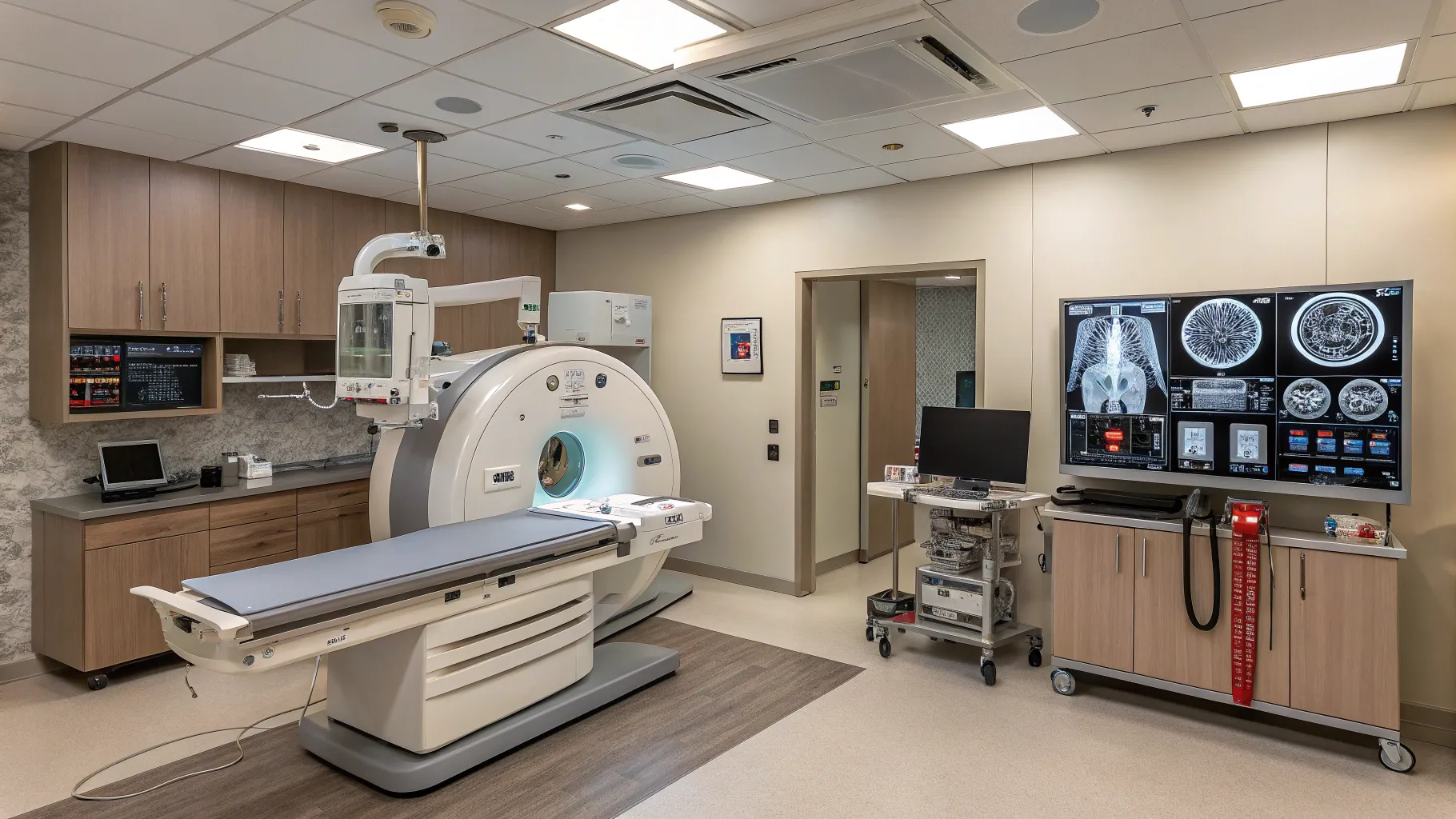
- Imaging Tests: X-rays, CT scans, or MRIs help visualize tumors and assess their size.
- Biopsy: The most definitive diagnosis comes from a biopsy, where a sample of tissue is examined for cancerous cells.
The integration of advanced imaging technologies and molecular biology tests enhances the accuracy of diagnosis and allows for more personalized treatment options.
Throat Cancer Prevention Tips
While not all cases are preventable, adopting certain lifestyle changes can significantly reduce the risk of throat cancer:
- Avoid Tobacco: Abstaining from smoking and using tobacco products is the most effective way to lower risk.
- Limit Alcohol Intake: Moderating alcohol consumption can have a substantial impact.
- Maintain Oral Hygiene: Good oral care practices can help prevent chronic irritants that may lead to cancer.
- HPV Vaccination: Vaccination against HPV can decrease the risk of certain types of throat cancer.
- Healthy Diet: Eating a balanced diet rich in fruits and vegetables supports the immune system and may reduce cancer risk.
Regular medical check-ups, particularly for those at higher risk, can help with early detection and better outcomes.
Throat Cancer Clinics and Doctors
For anyone diagnosed with throat cancer, finding a dedicated throat cancer clinic and experienced doctors is essential. Numerous specialized centers have emerged in the past few years, offering comprehensive treatment and support for patients. Here’s what to consider when looking for a clinic or doctor:
- Expertise: Look for healthcare providers specializing in head and neck cancers, as they are more likely to be familiar with the latest treatment modalities.
- Multidisciplinary Approach: Clinics that involve a team of medical professionals, including surgeons, oncologists, and radiologists, can provide well-rounded care.
- Patient Support Services: Emotional and psychological support can significantly impact recovery; joint offerings in clinics can be invaluable.
Being proactive about your health and seeking answers swiftly can make a significant difference in outcomes for those facing this serious diagnosis. Navigating throat cancer requires information, support, and timely action, paving the way for hope and recovery.
Authored by FreshLifeWire team