The Ultimate Guide to Foldable Electric Bikes: Portability & Power
Facts:
- The global e-bike market is projected to reach $118.6 billion by 2030.
- A growing trend for urban commuters is the demand for multi-modal transport solutions.
Why a Foldable Electric Bike is Your Ultimate Urban Commuting Solution
Navigating the modern urban landscape presents unique challenges, from traffic congestion to limited parking and the infamous 'last-mile' problem. This is where the foldable electric bike emerges as a game-changing solution, blending the convenience of a traditional bicycle with the power of an electric motor and the unparalleled benefit of portability. Unlike standard e-bikes, a compact e-bike can be collapsed in seconds, allowing you to carry it onto public transport, store it under your desk at work, or tuck it away in a small apartment closet. This guide delves into everything you need to know about these innovative machines, exploring their benefits, key features, and how to select the perfect model for your lifestyle.
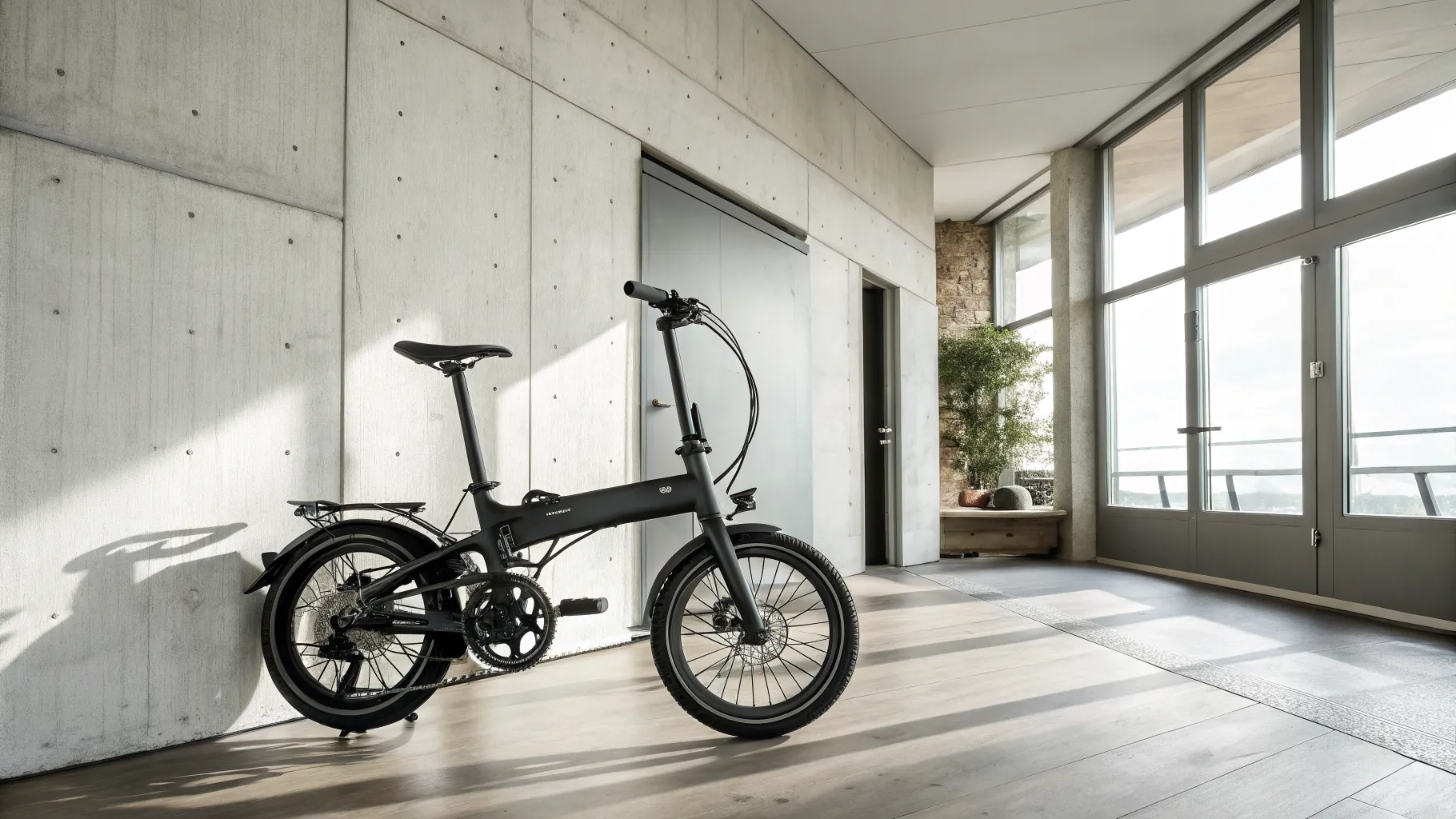
The Core Advantages of Owning a Compact E-Bike
The primary appeal of a foldable electric bike lies in its dual nature: it's both a capable vehicle and a portable accessory. The most obvious advantage is space-saving storage. For those living in apartments, dorms, or homes without a garage, a full-sized bike is often impractical. A compact e-bike neatly solves this, folding down to a fraction of its size. Another significant benefit is enhanced security. Instead of leaving your valuable investment locked up outside and vulnerable to theft, you can simply fold it and bring it indoors with you. This portability also opens up a world of multi-modal commuting. You can ride your bike to the train station, fold it up for the journey, and then unfold it to complete the final leg to your destination, creating a seamless and efficient travel experience. The electric assist makes hills and long distances feel effortless, ensuring you arrive at your destination refreshed, not exhausted.
Understanding the Technology: What Powers a Portable Electric Bicycle?
At the heart of every portable electric bicycle are three key components: the motor, the battery, and the frame's folding mechanism. Motors are typically located in the hub of the front or rear wheel (hub motors) or near the pedals (mid-drive motors). Hub motors are often found on more affordable models and are excellent for general use, while mid-drive motors provide a more balanced feel and superior climbing performance by leveraging the bike's gears. The battery is the bike's fuel tank, and its capacity, measured in watt-hours (Wh), determines your range. Modern batteries use lithium-ion technology, making them relatively lightweight and long-lasting. When considering a lightweight e-bike, the battery's size and weight are crucial factors. Finally, the folding mechanism is what sets these bikes apart. Look for systems that are quick, intuitive, and secure. High-quality mechanisms use robust latches and hinges that ensure the frame is rigid and safe when unfolded for riding, yet simple to operate when it's time to pack it down.
Choosing the Right Lightweight E-Bike for Your Needs
Selecting the perfect lightweight e-bike involves considering several factors to match your specific requirements. It's not just about finding the lightest model, but about finding the right balance of features for your intended use.
- Assess Your Commute: Consider the distance, terrain, and transport integration of your daily route. If you have many hills, a model with a more powerful mid-drive motor and multiple gears might be best. For shorter, flatter commutes, a simpler, single-speed hub motor model could be a perfect compact e-bike.
- Wheel Size Matters: Foldable bikes typically have smaller wheels, ranging from 16 to 20 inches. Smaller wheels make the bike more compact when folded but can feel less stable at high speeds. Larger wheels offer a smoother ride over bumps but result in a slightly larger folded package.
- Check the Weight and Folded Dimensions: If you'll be carrying the bike frequently, for instance, up flights of stairs, every pound matters. Check the manufacturer's specifications for the total weight. Also, measure the space where you plan to store the bike to ensure the folded dimensions will fit.
- Battery Range and Charging Time: Ensure the bike's maximum range comfortably exceeds your longest typical ride. Also, check the charging time; a faster charge means less downtime and more time riding your foldable electric bike.
Comparing Materials and Build Quality
The materials used in a portable electric bicycle directly impact its weight, durability, and ride quality. Most frames are made from aluminum alloy, which offers an excellent balance of strength, stiffness, and relatively low weight, making it a popular choice. For those seeking the ultimate in portability, carbon fiber frames represent the pinnacle. Carbon fiber is incredibly strong and significantly lighter than aluminum, but this premium material comes at a much higher price point. Steel is another option, known for its durability and smooth ride feel, but it is considerably heavier, making it less common for models where being a lightweight e-bike is a primary selling point. Beyond the frame, inspect the quality of components like the brakes (disc brakes offer superior stopping power), tires, and the folding hinges, as these are critical for safety and long-term reliability.
Frequently Asked Questions
How difficult is it to fold and unfold a foldable electric bike?
Most modern foldable electric bike models are designed for user convenience, featuring intuitive latching systems that allow for folding or unfolding in 15-30 seconds with a little practice. The process typically involves releasing a few clamps and folding the frame, handlebars, and pedals.
What is the average range of a compact e-bike on a single charge?
The range of a compact e-bike varies widely depending on battery capacity, rider weight, terrain, and level of electric assist used. On average, you can expect a range of 25 to 50 miles (40 to 80 kilometers). Some premium models with larger batteries can achieve even greater distances.
Are smaller wheels on a portable electric bicycle less safe?
While smaller wheels can feel twitchier and less stable at very high speeds compared to a full-sized bike, they are perfectly safe for urban commuting. They offer increased maneuverability in tight spaces, which is a significant advantage in city traffic. Quality tires and a well-designed frame geometry ensure a safe and stable ride.
Can I take a lightweight e-bike on an airplane?
This is complicated. Most airlines prohibit lithium-ion batteries over a certain capacity (typically 100-160 Wh) in checked or carry-on luggage due to safety regulations. Since most e-bike batteries far exceed this limit, you generally cannot fly with your bike's battery. You would need to ship the battery separately or rent one at your destination.
References
- Urban Mobility Trends Report
- Consumer Guide to Electric Bicycles
- Journal of Transport and Health
- Materials Science in Bicycle Frame Construction
Authored by FreshLifeWire team