The Ultimate Guide to Diesel Generators: Maximizing Power, Performance, and Efficiency
Facts:
- Diesel engines are 20-40% more fuel-efficient than gasoline counterparts.
- Growing demand for reliable backup power solutions for homeowners and businesses.
Understanding the Core Principles of Diesel Generator Performance
Welcome to The Ultimate Guide to Diesel Generators: Power, Performance, and Efficiency. In an era where uninterrupted power is not a luxury but a necessity, understanding the mechanics behind these workhorses is crucial. This guide delves deep into the factors that define the reliability and output of Diesel Generators. We will explore everything from the fundamental principles of how they convert fuel into electrical energy to the advanced technologies that enhance their Power, Performance, and Efficiency. Whether you are considering a generator for residential backup, a commercial enterprise, or an industrial application, this comprehensive overview will provide the knowledge you need to make an informed decision and optimize your investment for years to come.
How to Select the Right Diesel Generator for Your Needs
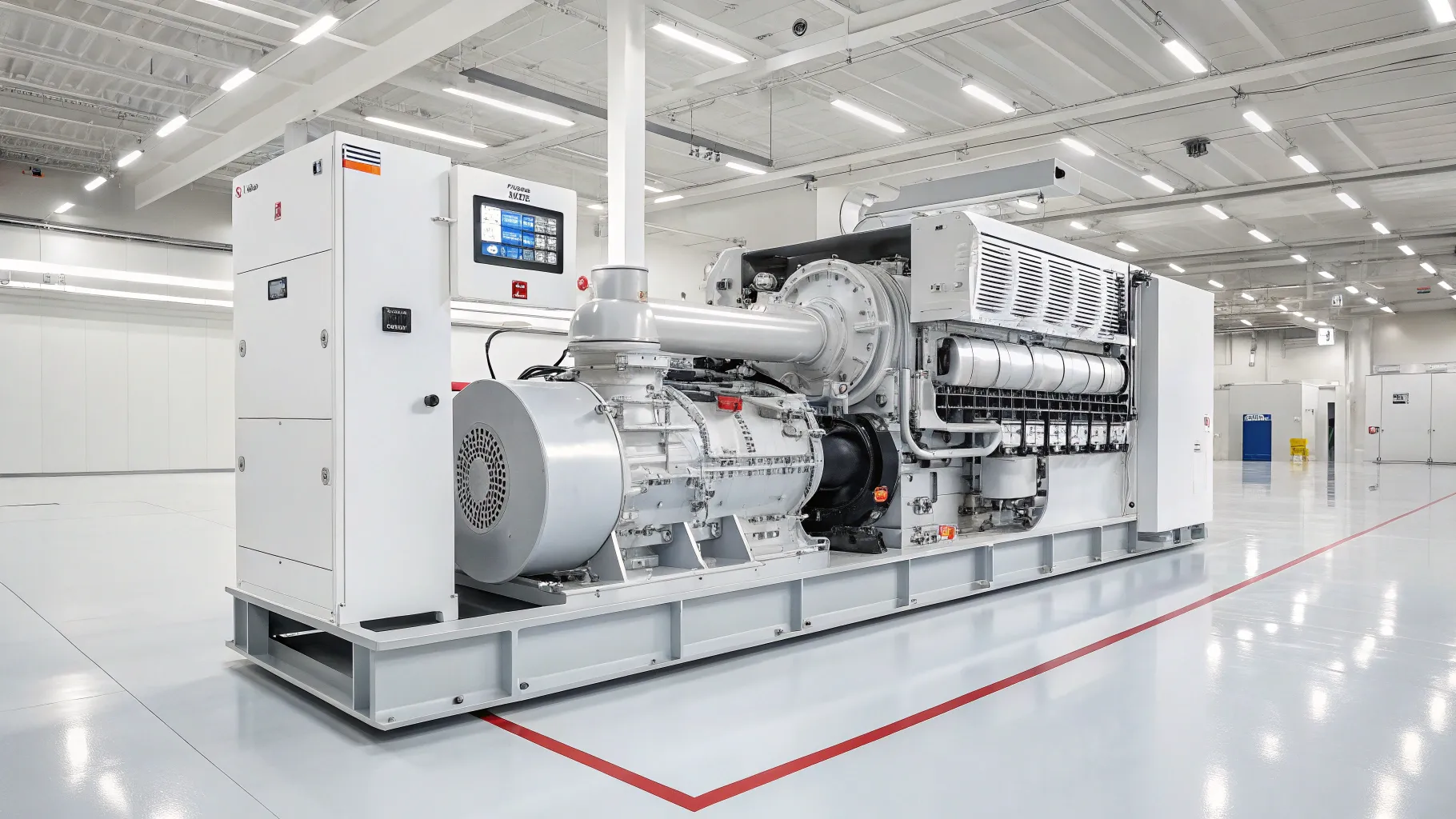
Choosing the correct diesel generator is the first and most critical step towards ensuring dependable power. The selection process goes far beyond just looking at the price tag; it involves a careful analysis of your specific power requirements. A primary consideration is sizing. Generators are rated in kilowatts (kW) and kilovolt-amperes (kVA), and understanding the difference is key. While kW measures the actual power an appliance uses, kVA represents the apparent power. For equipment with electric motors, the apparent power will be higher than the real power. A miscalculation can lead to an undersized generator that fails under load or an oversized one that runs inefficiently and wastes fuel. It's essential to conduct a thorough load assessment, accounting for all devices that will be powered simultaneously and considering their starting wattage, which can be significantly higher than their running wattage. This comprehensive approach ensures your chosen unit delivers the necessary Power without compromise.
Maximizing Diesel Generator Performance and Longevity
Once you have the right generator, maintaining its peak Performance is paramount. Regular and meticulous maintenance is the cornerstone of a long and reliable service life for all Diesel Generators. This involves more than just periodic checks; it requires a proactive maintenance schedule that addresses all critical components. Fuel quality is a major factor in generator Performance and Efficiency. Using clean, high-quality diesel fuel and treating it with biocides and stabilizers prevents contamination, clogs, and engine damage. Similarly, ensuring the engine oil, coolant, and filters are changed according to the manufacturer's recommendations prevents wear and tear and maintains optimal operating temperatures. Another professional technique to ensure longevity is load bank testing. This process involves applying an artificial load to the generator to test its full capacity, which helps burn off carbon deposits and ensures it can handle a full load during a real power outage, thereby guaranteeing its Performance when it matters most.
The Critical Role of Efficiency in Diesel Generators
In the context of The Ultimate Guide to Diesel Generators: Power, Performance, and Efficiency, the concept of Efficiency is multi-faceted. It's not just about fuel consumption; it's about maximizing the electrical output for every drop of fuel burned. A key factor influencing Efficiency is the load profile. Most Diesel Generators operate at their highest efficiency when running between 70% and 90% of their rated capacity. Consistently running a generator at a very low load, a condition known as 'wet stacking,' can lead to unburned fuel entering the exhaust system, reducing efficiency and potentially damaging the engine. Conversely, overloading can cause overheating and premature failure. Modern advancements, such as common rail fuel injection systems and electronic engine controls, have significantly improved the Efficiency of Diesel Generators across a wider range of loads, allowing for more precise fuel delivery and combustion management. Investing in a generator with these modern features can lead to substantial long-term savings in fuel costs and a reduced environmental footprint.
Comparing Generator Types: Diesel vs. Natural Gas vs. Gasoline
When evaluating backup power solutions, it's important to understand the landscape. While this is The Ultimate Guide to Diesel Generators: Power, Performance, and Efficiency, knowing the alternatives provides valuable context. Diesel Generators are renowned for their fuel efficiency, durability, and ability to handle large power loads for extended periods, making them ideal for industrial and critical applications. Natural gas generators, on the other hand, burn cleaner and benefit from a continuous fuel supply via a utility line, but they often have a higher initial cost and may not be suitable for remote locations. Gasoline generators are typically smaller, more portable, and less expensive upfront, making them great for recreational or small-scale emergency use. However, they are less fuel-efficient, have a shorter lifespan, and the fuel itself is more flammable and has a shorter shelf life than diesel. Ultimately, the superior fuel Efficiency and robust Performance of diesel engines often make them the most cost-effective and reliable choice for long-term, high-demand power needs.
A Practical Maintenance Checklist for Optimal Generator Efficiency
To ensure your generator consistently delivers optimal Power and Performance, a disciplined maintenance routine is non-negotiable. This checklist covers essential tasks that should be performed regularly.
- Check Fluid Levels: Before each use, verify the engine oil, coolant, and fuel levels. Low levels can cause catastrophic engine failure. Regular fluid analysis can also predict potential issues before they become major problems.
- Inspect the Battery System: The starting battery is a common point of failure. Regularly clean the terminals to prevent corrosion, check the electrolyte levels, and ensure the specific gravity is within the recommended range. A weak battery can render your entire system useless.
- Clean and Replace Filters: Air, fuel, and oil filters are critical for protecting the engine from contaminants. Adhere strictly to the manufacturer's replacement schedule to maintain peak Efficiency and prevent premature wear on internal components.
- Examine the Exhaust System: Check the entire exhaust system, from the engine manifold to the outlet, for leaks, cracks, or corrosion. A compromised exhaust can be a serious safety hazard and negatively impact engine Performance.
- Perform a Weekly Test Run: Run the generator under a moderate load for at least 30 minutes each week. This helps keep engine components lubricated, burns off moisture, recharges the battery, and ensures the system is ready to perform during an actual outage.
Frequently Asked Questions
How does load size affect the performance of Diesel Generators?
Load size is critical to the Performance and Efficiency of Diesel Generators. Operating at a very light load (below 30% of rated capacity) can lead to wet stacking, where unburned fuel and soot accumulate in the exhaust. This reduces efficiency and can damage the engine. Conversely, consistently overloading the generator can cause it to overheat and fail. The ideal operating range for peak Performance is typically between 70-90% of its rated load.
What is the typical lifespan of a well-maintained diesel generator?
A well-maintained diesel generator can have a very long service life. Depending on the quality of the unit and the diligence of the maintenance schedule, lifespans of 20,000 to 30,000 hours of operation before a major overhaul is required are common. For standby units that run infrequently, this can translate to 20-30 years of reliable service, making them a fantastic long-term investment in power security.
Are modern Diesel Generators environmentally friendly?
Modern Diesel Generators have made significant strides in reducing emissions. Thanks to advancements like high-pressure common rail fuel systems, exhaust gas recirculation (EGR), and diesel particulate filters (DPFs), new generators must comply with stringent EPA (Environmental Protection Agency) Tier 4 standards. These technologies drastically reduce emissions of nitrogen oxides (NOx) and particulate matter, making them much cleaner than older models and improving their overall environmental Efficiency.
References
- Engine Manufacturer's Association (EMA) publications
- Department of Energy (DOE) studies on power generation
- Electrical Generating Systems Association (EGSA) standards
- Manufacturer-specific technical manuals and service bulletins
Authored by FreshLifeWire team