Modern Prosthetics Insights
Modern Prosthetics in 2025
The world of modern prosthetics in 2025 is a fascinating one, characterized by groundbreaking advancements and remarkable innovations. As technologies continue to evolve at a rapid pace, prosthetic limbs and devices have become more than just replacements for lost body parts; they are extensions of the human body, enhancing daily lives and capabilities beyond the average person's imagination.
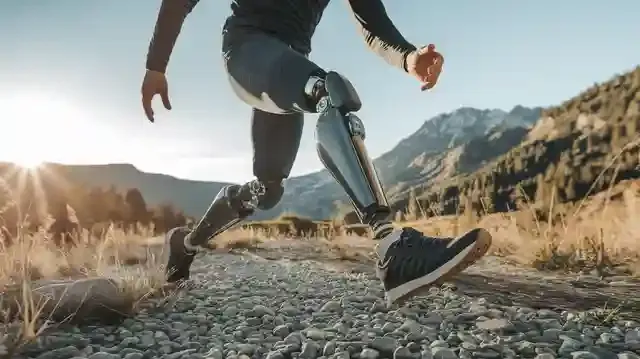
One of the key trends is the integration of AI and machine learning in prosthetic devices. These technologies allow for real-time adaptation and learning, enabling prosthetics to adjust automatically to different terrains and user needs. For instance, advanced prosthetic limbs now feature algorithms that can predict users' movement intentions, facilitating smoother transitions and more natural movement.
Recent Innovations in Prosthetics
In recent developments, 3D printing stands out as a game-changer in the design and manufacturing of prosthetic devices. This technology allows for customization at an unprecedented level, making prosthetics more accessible and affordable. A notable example from recent months is a project where a team used 3D printing to produce a fully functional arm that costs a fraction of traditional prosthetic limbs. This shift not only reduces costs but significantly speeds up the production process, allowing individuals to benefit from tailor-made solutions in record time.
Moreover, sensory feedback mechanisms are now being embedded in prosthetic limbs, providing users with the ability to 'feel' through their devices. This tactile feedback is crucial in creating a more organic connection between the user and the prosthetic, improving functionality and user satisfaction. Recent studies have shown that users of prosthetics with sensory feedback report higher quality of life and increased trust in their devices.
The incorporation of sustainable and eco-friendly materials into prosthetic production is another vital development. By utilizing biodegradable materials, manufacturers are ensuring that their products are not only user-friendly but also environmentally responsible. This approach reflects a broader societal shift towards sustainability, aligning with global efforts to reduce waste and carbon footprints.
The Impact on Daily Life
These advancements have a profound impact on the daily lives of prosthetic users. Enhanced mobility and ease of use allow individuals with prosthetics to engage in activities they might have once thought impossible. From participating in sports to pursuing physically demanding careers, the opportunities are expanding alongside technological progress.
For example, elite athletes with prosthetics are breaking barriers and setting new records, showcasing the incredible potential of these devices. This shift in perception is inspiring others with disabilities to explore their capabilities fully and redefine what is possible. The visibility of these achievements in media and sports helps reduce stigmas associated with disability, promoting a more inclusive society.
Access to modern prosthetics is improving globally. Non-profit organizations and partnerships between governments and private companies are working to ensure broader accessibility, particularly in developing regions. Programs focusing on education and resources are being implemented to help people better understand and integrate prosthetic technology into their lives.
These collaborative efforts are vital in addressing the economic barriers that many face. With proper support and access, prosthetic users in various parts of the world can achieve a higher degree of independence and improve their overall life quality.
Ultimately, the future of modern prosthetics brings hope and new possibilities to millions, transforming lives and integrating technology seamlessly into human existence. As we continue into 2025, innovation, inclusivity, and accessibility will remain at the forefront, ensuring that these life-enhancing devices reach even more people in need.
The advancements we've seen in recent years truly highlight a significant shift in how prosthetics are perceived and utilized. With continuous research and development, the goal is to further close the gap between natural movement and prosthetic enhancement, creating solutions that feel seemingly invisible to their users. It is an exciting time for this field, marking a new era in mobility and human augmentation.
Authored by Neda