The Complete Buyer’s Guide to Choosing an Ex-Military Generator for Off-Grid Use
Facts:
- Military generators are built for extreme durability and reliability.
- A growing trend for preppers and homesteaders seeking robust power solutions.
Why a Military Surplus Generator is Your Ultimate Off-Grid Power Solution
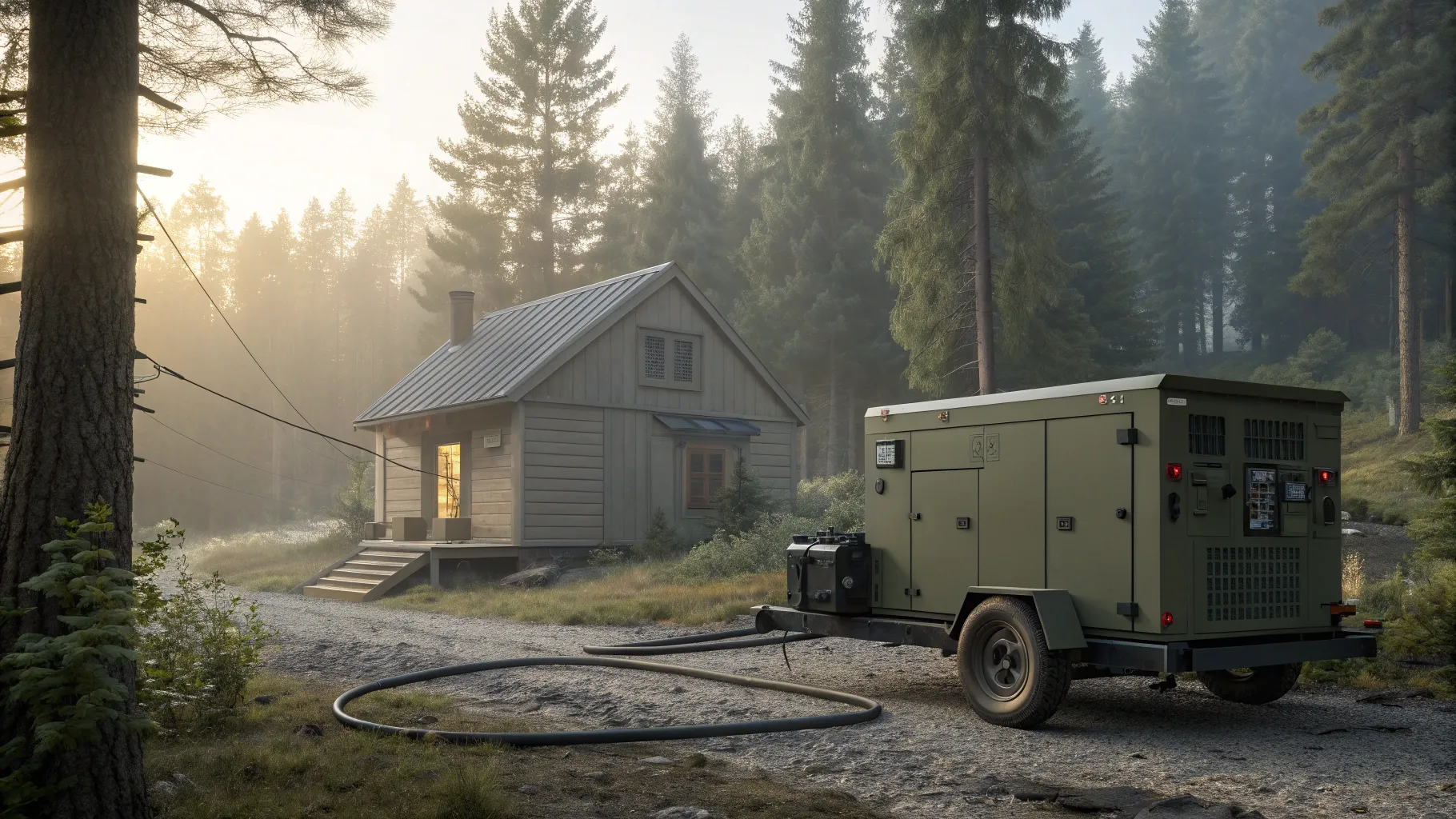
When venturing into off-grid living, securing a reliable power source is paramount. While commercial options abound, a growing number of people are turning to a more rugged, battle-tested solution. This is where The Complete Buyer’s Guide to Choosing an Ex-Military Generator for Off-Grid Use becomes an indispensable resource. These machines are engineered for the harshest conditions, offering unparalleled durability and longevity that civilian models often can't match. An ex-military generator is not just a piece of equipment; it's an investment in self-sufficiency and peace of mind, designed to perform when you need it most. This guide will navigate you through the critical considerations for making the right choice.
Key Factors When Choosing an Ex-Military Generator
Navigating the world of military surplus can be daunting, but understanding the key factors will simplify the process. Choosing an ex-military generator involves more than just picking the one with the highest wattage. You must consider fuel type, power output (kVA/kW), physical size and weight, noise level, and parts availability. Each of these elements plays a crucial role in determining whether a specific model is suitable for your unique off-grid use. For instance, a generator that's too large might be inefficient for your power needs, while one that's too small will leave you without essential power. This section of our buyer's guide breaks down each of these critical factors to ensure you make an informed decision.
Fuel Type and Consumption
The most common fuel types for an ex-military generator are diesel and gasoline, with diesel being far more prevalent due to its stability and efficiency. Diesel generators often have a longer lifespan and require less maintenance. However, you must consider fuel storage and availability in your area. Assess the generator's fuel consumption rate at different loads to estimate your long-term operational costs, a vital step in planning for sustainable off-grid use.
Power Output and Load Calculation
Before you buy, calculate your total power requirements. List all the appliances and tools you plan to run simultaneously and sum their wattage. Always choose a generator with a continuous power rating at least 20-25% higher than your peak load to avoid overworking the machine. Understanding the difference between continuous and peak wattage is a cornerstone of successfully choosing an ex-military generator.
Diesel vs. Multi-Fuel: Which Engine Suits Your Off-Grid Needs?
A significant decision in your journey is the engine type. While most are diesel, some highly sought-after models are multi-fuel capable, meaning they can run on diesel, kerosene, or even jet fuel. This flexibility can be a massive advantage in a long-term survival or remote living scenario. A standard diesel ex-military generator is typically more fuel-efficient and mechanically simpler. In contrast, a multi-fuel engine offers unparalleled adaptability. This section of The Complete Buyer’s Guide to Choosing an Ex-Military Generator for Off-Grid Use compares the pros and cons, helping you weigh the trade-offs between efficiency and fuel versatility for your specific situation.
Decoding MEP Numbers: Understanding Military Generator Models
Military equipment is identified by model numbers, and for generators, these are typically 'MEP' (Military Emergency Power) designations. Understanding these codes is essential. For example, an MEP-802A is a 5kW generator, while an MEP-803A is a 10kW model. Each number corresponds to a specific power output, fuel type, and feature set. Researching the MEP number of a potential purchase will reveal its full specifications, technical manuals, and common issues. This knowledge is power, transforming you from a casual buyer into an educated consumer who knows exactly what they are getting. Familiarizing yourself with these codes is a non-negotiable part of choosing an ex-military generator.
Inspection Checklist for a Used Military Surplus Generator
Buying surplus means buying used. A thorough inspection is crucial before finalizing your purchase. This checklist will guide you through the process, ensuring you don't end up with a costly paperweight. This practical advice is a core component of The Complete Buyer’s Guide to Choosing an Ex-Military Generator for Off-Grid Use.
- Check the Hour Meter: This indicates the total runtime. Lower hours are generally better, but a well-maintained high-hour machine can be a great value.
- Inspect for Leaks: Carefully check for any signs of oil, fuel, or coolant leaks around the engine and housing. Stains can indicate old, repaired leaks, but wet spots are a red flag.
- Examine Wiring and Hoses: Look for cracked, brittle, or frayed wiring and hoses. These are common points of failure in older equipment and can be costly to replace.
- Listen to it Run: If possible, have the seller start the generator. Listen for any unusual noises like knocking, grinding, or excessive vibration. Ensure it produces a steady power output.
- Review Maintenance Logs: Ask for any available service records. A well-documented maintenance history is a strong indicator of a reliable unit perfect for off-grid use.
Maintenance and Parts: The Long-Term Commitment
Owning an ex-military generator is a long-term commitment that requires a proactive approach to maintenance. Unlike consumer-grade models, you can't simply take it to a local repair shop. You will likely become your own mechanic. Fortunately, these generators were designed for field serviceability, and a wealth of information, including technical manuals (TMs), is available online. Sourcing parts can be a challenge but is manageable through dedicated surplus suppliers and online forums. Before buying, research parts availability for your chosen model. This ensures your investment remains a reliable power source for years to come and is a final crucial step in The Complete Buyer’s Guide to Choosing an Ex-Military Generator for Off-Grid Use.
Frequently Asked Questions
Are ex-military generators too loud for residential off-grid use?
Many ex-military generators are louder than modern inverter generators. However, many models come with sound-attenuated enclosures that significantly reduce noise. You can also build your own sound-dampening structure to mitigate the noise for a more peaceful off-grid use experience.
Where can I find reliable parts for an ex-military generator?
Reliable parts can be sourced from specialized military surplus websites, online auction sites, and enthusiast forums. Building a network with other owners is invaluable for finding rare parts and getting maintenance advice for your ex-military generator.
How difficult is it to convert an ex-military generator for home use?
The difficulty varies by model. Many require connecting to a transfer switch for safe integration with your home's electrical system. It's highly recommended to consult with or hire a licensed electrician to ensure the setup is safe and up to code, which is a key part of choosing an ex-military generator for home backup or off-grid living.
References
- Department of Defense Technical Manuals (TMs) for MEP Series Generators.
- Online forums for military vehicle and equipment enthusiasts.
- Guides from military surplus equipment suppliers.
- Homesteading and Off-Grid Living Community Publications.
Authored by FreshLifeWire team