Explore Teaching Jobs in Japan for Foreigners in 2025
Teaching Jobs in Japan for Foreigners
Teaching in Japan has become increasingly popular among foreigners, with thousands flocking to the Land of the Rising Sun to explore its rich culture and share their knowledge. In 2025, the demand for English teachers and other educational professionals in Japan continues to thrive, making it an opportune time for those seeking international experience. This article covers the essentials of applying for teaching jobs in Japan, including who can apply, types of jobs available, how to navigate the application process, platforms to use, legal requirements, and insights into salary, work culture, and everyday life in Japan.
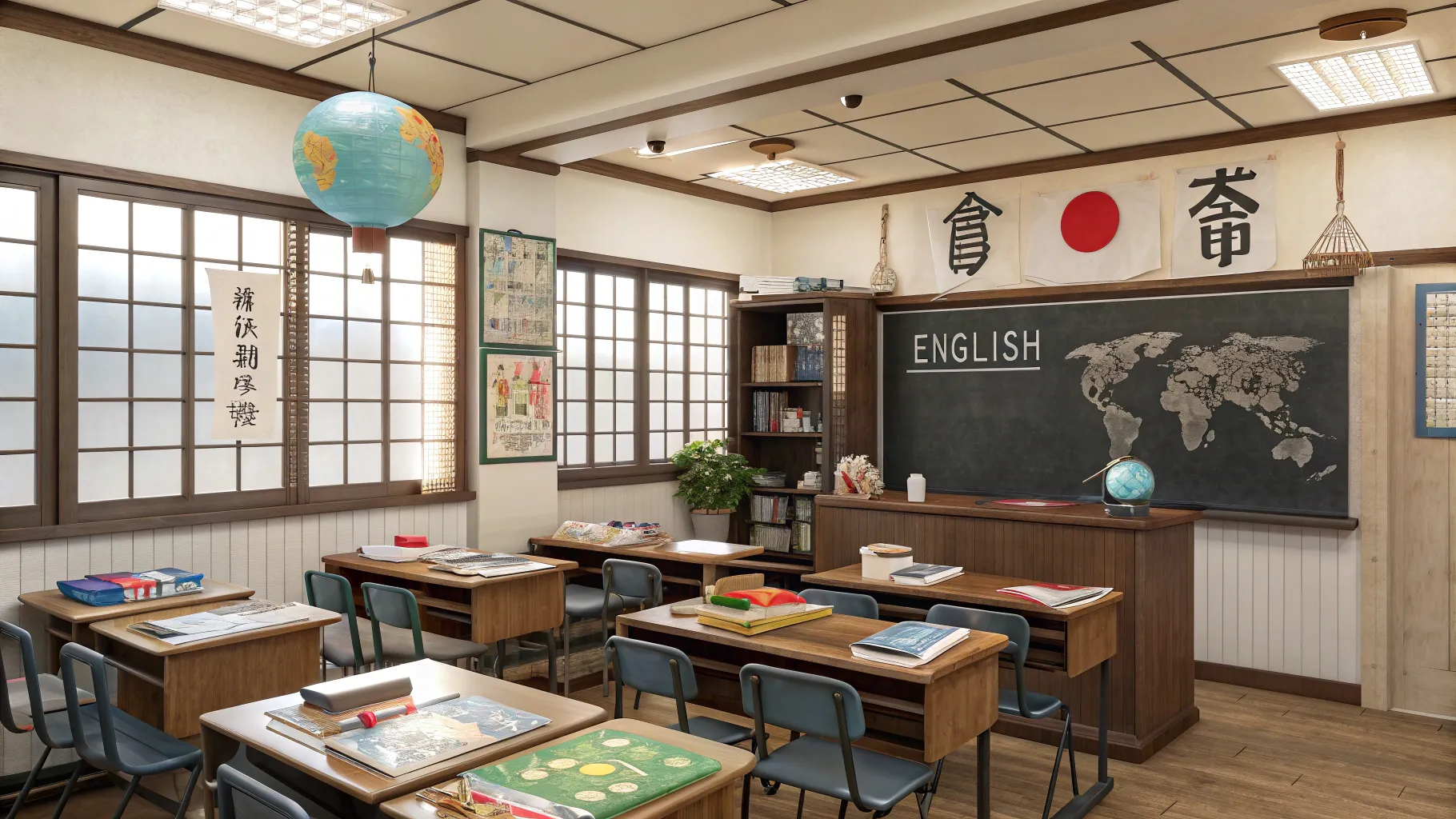
Who Can Apply for Teaching Jobs in Japan
Generally, teaching jobs in Japan for foreigners are open to candidates who meet specific eligibility criteria. Primarily, individuals must possess at least a bachelor's degree, ideally in English or education. However, degrees in unrelated fields are often accepted, especially if the applicant can demonstrate relevant teaching experience or qualifications like TEFL (Teaching English as a Foreign Language) certification. Additionally, native English speakers from countries such as the United States, Canada, the UK, Australia, and New Zealand are highly sought after—though non-native speakers with fluency in English may also find opportunities.
- Degree Requirement: Bachelor's degree or higher.
- Language Proficiency: Proficiency in English at a native level.
- Certification: TEFL/TESOL certification can enhance job prospects.
- Teaching Experience: Previous teaching experience can be beneficial but is not always required.
Beyond formal qualifications, personal attributes such as adaptability, enthusiasm, and a genuine interest in Japanese culture can significantly strengthen an application. The ability to connect with students and engage them in a learning environment is valued highly.
Types of Teaching Jobs Usually Available
In 2025, several types of teaching jobs are available for foreigners in Japan, appealing to various skill sets and preferences:
- ALT (Assistant Language Teacher): Working in public schools alongside Japanese teachers to enhance students' English capabilities.
- Private Language Schools: Opportunities at private institutions like ECC or Berlitz, which often cater to adults and children alike.
- Universities: Teaching positions available for those with advanced degrees, providing opportunities to teach English as well as specialized subjects.
- Online Teaching: With the rise of online education, many foreigners opt for remote teaching positions, offering flexibility.
- Summer Camps: Short-term positions during the summer, allowing teachers to interact with students in a fun environment.
How to Apply for Teaching Jobs in Japan
The application process for teaching jobs in Japan can be straightforward if approached correctly. Here are some steps to guide you:
- Prepare Your Documents: Ensure your CV, cover letter, diplomas, and certifications are ready and tailored to the teaching positions you're interested in.
- Use Online Platforms: Websites like TEFL.com and GaijinPot are excellent for finding job listings. Also, consider connecting with recruiters specializing in Japan.
- Networking: Join expat groups on social media platforms to connect with others teaching in Japan. They can provide insights and leads that may not be publicly available.
- Apply for a Visa: Once you receive a job offer, you’ll need to apply for a work visa. Your employer usually facilitates some of this process.
Be prepared for interviews that may include teaching demonstrations or questions about your teaching philosophy. Effective communication and cultural awareness can set you apart from other candidates.
Legal Requirements for Teaching in Japan
For foreign nationals wishing to teach in Japan, understanding and fulfilling legal requirements is pivotal. Here’s what you need to know:
- Visa Types: The most relevant type for teachers is the "Instructor" visa. Your employer sponsors this visa, which allows you to work legally in Japan.
- Residence Registration: Upon arrival, teachers must register with their local municipality within 14 days and obtain a residence card.
- Health Insurance: Teaching professionals in Japan are required to enroll in the National Health Insurance program, ensuring you receive medical coverage during your stay.
Navigating the legal aspects might seem overwhelming initially, but many employers assist with this process, which can simplify the experience.
Salary and Work Culture in Japan
As of 2025, the salary range for teaching jobs varies based on the institution, experience, and location. Foreign teachers generally earn between ¥250,000 to ¥300,000 per month (approximately $2,300 to $2,800), excluding benefits such as housing allowances and bonuses. A salary at the higher end of the spectrum is often available at universities or international schools.
Moreover, work culture in Japan emphasizes punctuality, respect, and teamwork. Teachers are expected to adhere to strict schedules while fostering a nurturing environment for students. The adherence to cultural practices, such as bowing and using honorific language, is crucial in building effective relationships with colleagues and students.
While the initial adjustment period can be challenging, expatriates often find the supportive community of other foreign teachers and locals lovely. Social activities, language exchange meetups, and various cultural experiences surround daily life in Japan, making it a memorable experience.
Whether you’re teaching adults keen on perfecting their business English or guiding schoolchildren through their first encounters with English, the journey of teaching in Japan unfolds into one of personal and professional growth, filled with opportunities to learn from a culture rich in history and modernity. As you venture into this dynamic workforce, prepare for an adventure brimming with learning, discovery, and connection.
Authored by FreshLifeWire team