Symptoms and Treatments for Oral Thrush and Candida
Understanding Oral Thrush Symptoms Causes and Risk Factors
Oral thrush is a common yet uncomfortable oral fungal infection characterized by an overgrowth of Candida albicans. This condition has become increasingly prevalent, impacting an estimated 5% of adults and approximately 7% of infants in 2025. The symptoms of oral thrush can significantly impair an individual's quality of life, making it imperative to recognize them for timely diagnosis and treatment. If you're experiencing persistent discomfort in your mouth, understanding the symptoms of oral thrush is crucial.
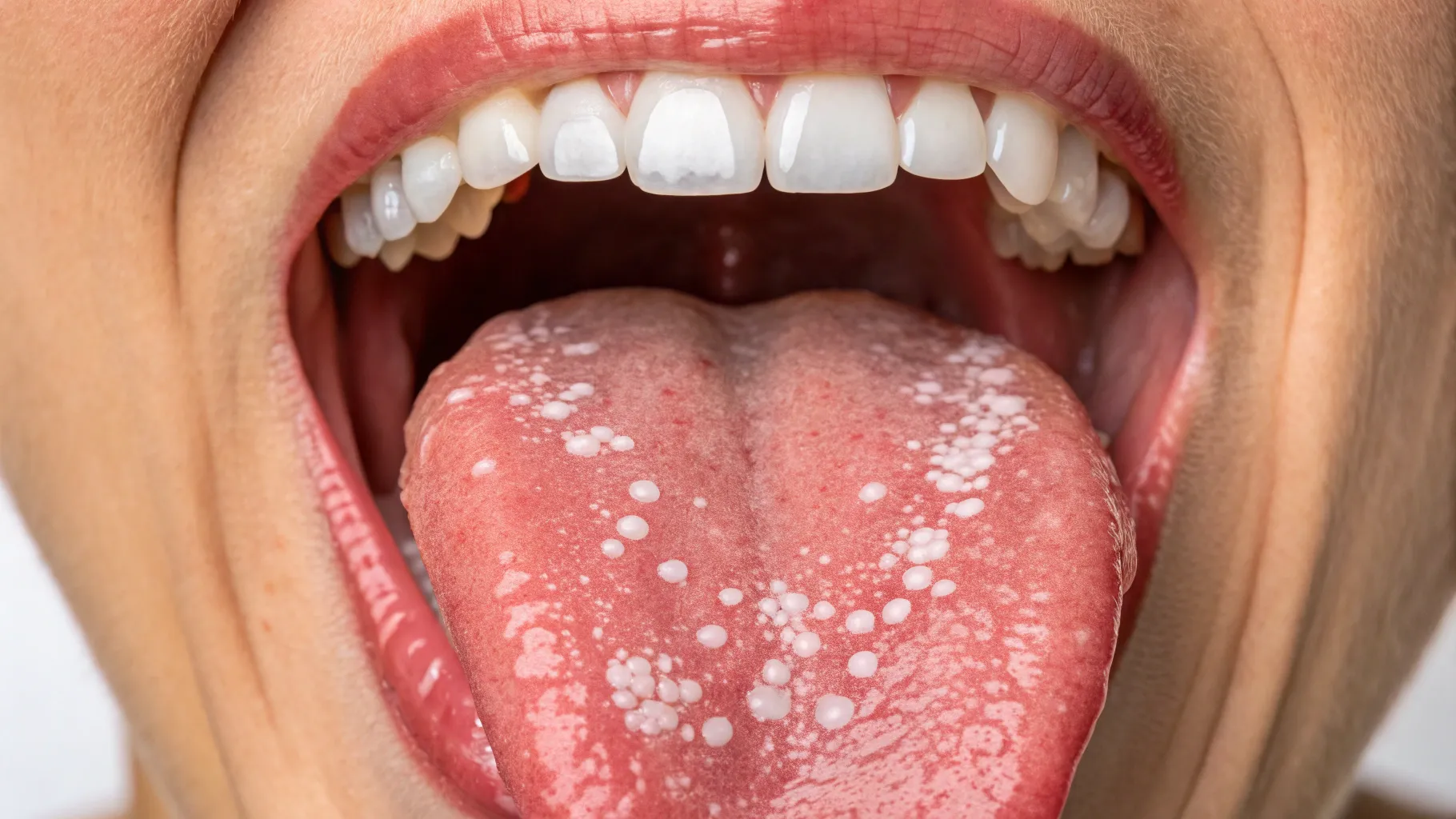
- White, creamy spots: One of the most notable signs of oral thrush is the appearance of white patches in the mouth, particularly on the tongue, inner cheeks, gums, and throat. These lesions often resemble cottage cheese and can be quite painful, particularly if attempts are made to scrape them away.
- Redness and soreness: Inflammation in the affected areas may lead to significant discomfort, especially during eating or swallowing, creating challenges in daily activities.
- Loss of taste: Many individuals may experience a noticeable decrease in their ability to taste food. This can negatively impact appetite and nutritional intake, possibly leading to further health complications.
- Cracking at the corners of the mouth: Fissures can develop at the corners of the lips, often overlooked but capable of serving as entry points for secondary infections if left untreated.
Quick identification of oral thrush helps prevent complications linked to the condition. Understanding the causes and risk factors associated with this infection can enhance your awareness and response. Here are some key contributors:
- Weakened immune system: Individuals with underlying health conditions like HIV/AIDS, diabetes, or undergoing certain cancer therapies are at a heightened risk due to compromised immunity.
- Use of antibiotics: Antibiotic treatments can disrupt the natural balance of microorganisms in the mouth, leading to the uncontrolled growth of Candida.
- Dry mouth: Saliva plays a critical role in regulating yeast levels, thus conditions that cause dry mouth—such as Sjögren's syndrome or certain medications—may promote the development of thrush.
- Smoking: Tobacco usage has been linked to a higher frequency of oral thrush cases while also compromising overall oral hygiene.
Diagnosis and Tests for Oral Thrush
When seeking a diagnosis for oral thrush, healthcare providers typically rely on visible symptoms and the patient's medical history. In complicated cases, further testing may be necessary. Some common diagnostic methods include:
- Oral examination: A comprehensive visual assessment of the mouth usually reveals the characteristic white patches and signs of inflammation associated with thrush.
- Culture test: For recurrent or complicated cases, a swab from the infected area might be sent to a laboratory for culture to identify the specific strain of Candida involved.
- Biopsy: In persistent cases that do not respond to treatment, a small tissue sample may be required to rule out other potential conditions, such as leukoplakia or oral cancer.
Recent studies within the last six months reveal a concerning rise in cases of oral thrush, correlating with increased diabetes rates and extended use of immunosuppressive treatments. This trend highlights the importance of early detection and proactive measures to tackle this problem.
Treatment and Medications for Oral Thrush
The good news is that treating oral thrush is generally straightforward and effective with antifungal medications. Treatment options depend primarily on the severity of the infection and whether it is localized or systemic. Below are commonly prescribed antifungal solutions:
- Nystatin: Commonly available in an oral solution, Nystatin targets the cell membranes of the yeast, effectively eliminating the infection. Patients are typically advised to swish the solution in their mouths for optimal results.
- Fluconazole: This antifungal is frequently prescribed for more severe cases or individuals with weakened immune systems. Fluconazole has shown strong effectiveness against systemic candidiasis.
- Clotrimazole: Available in the form of dissolvable lozenges, Clotrimazole specifically targets the fungal infection while also soothing irritation in the oral cavity.
In recent months, a surge of interest in natural remedies has arisen as adjunct therapies for oral thrush. Probiotics, particularly those containing Lactobacillus, can help restore a healthy microbiome in the mouth. Additionally, saltwater rinses may alleviate irritation while promoting better oral health. Preliminary studies also indicate that coconut oil exhibits antifungal properties that may facilitate recovery from oral thrush.
Recovery and Prevention of Oral Thrush
With timely intervention, most individuals notice significant improvement within just a few days. Good oral hygiene is not only vital for effective recovery but also plays a critical role in preventing future episodes of thrush. Here are several effective preventive strategies:
- Regular dental check-ups: Routine visits to a dentist can help identify and address any emerging issues before they develop into complications such as thrush.
- Balanced diet: Eating a diet low in sugar and refined carbohydrates can significantly minimize the risk of yeast overgrowth, thereby decreasing the likelihood of developing thrush.
- Stay hydrated: Adequate fluid intake is crucial for promoting saliva production, which is essential for controlling yeast levels in the mouth.
- Avoid irritants: Quitting smoking and moderating alcohol consumption can help reduce the risk of oral thrush while supporting better oral hygiene.
If you experience symptoms of oral thrush, it is imperative to seek treatment without delay. Ignoring these signs may worsen the condition and lead to more severe complications for those with pre-existing health issues.
When to See a Doctor About Oral Thrush
Knowing when to consult a healthcare professional can importantly influence the management of oral thrush. It is advisable to seek medical attention if you notice:
- Your symptoms persist or worsen despite home treatments.
- You experience severe pain or difficulty swallowing.
- You have an underlying condition that might impair your immune system.
- You notice recurrent episodes of thrush, indicating a potential underlying health concern.
Cost-wise, most antifungal medications range from $10 to $50, influenced by factors such as insurance and pharmacy pricing. Conversely, natural remedies like probiotics and coconut oil are typically inexpensive. Open discussions with your healthcare provider about treatment options and their associated costs can aid in making informed health decisions.
Proactive measures can effectively manage and prevent oral thrush. Remember that awareness and timely intervention are essential for maintaining good oral health and overall well-being.
Authored by FreshLifeWire team