Symptoms and Causes of Clogged Arteries Explained
Understanding the Symptoms and Causes of Clogged Arteries
Clogged arteries, medically known as atherosclerosis, are currently recognized as one of the significant contributors to severe health concerns, including heart attacks and strokes. In today's fast-paced world, understanding the symptoms and causes of clogged arteries is crucial. As of now, maintaining cardiovascular health has become a primary focus for many individuals, particularly with the increasing prevalence of unhealthy lifestyles.
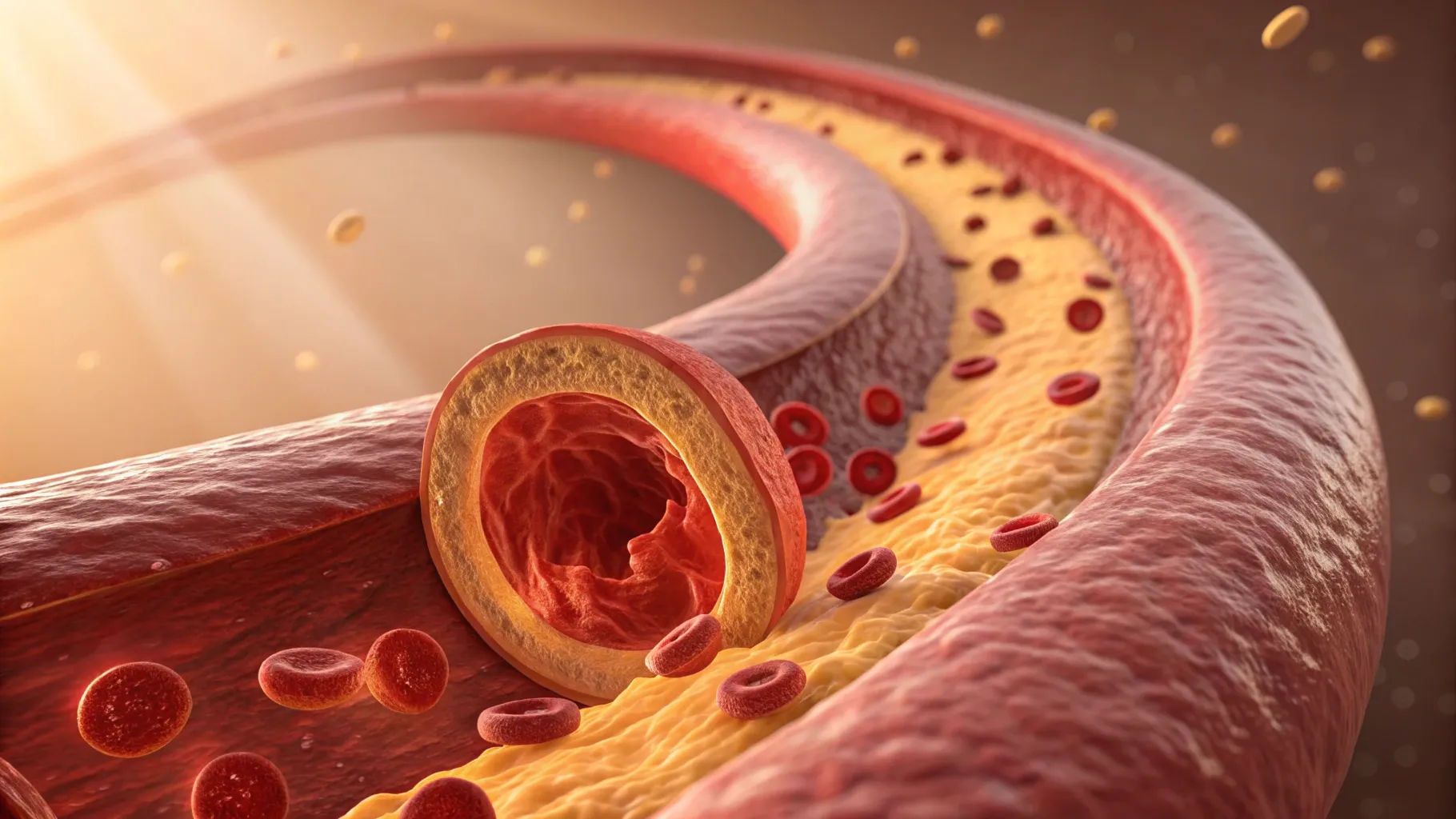
What Causes Clogged Arteries?
The primary culprit behind clogged arteries is plaque buildup—a combination of fat, cholesterol, calcium, and other substances circulating in the blood. Over time, this buildup narrows the arteries, causing blocked blood flow. Understanding the underlying factors is essential. Here are some key contributors to this condition:
- Poor Diet: Consuming foods high in saturated fats, trans fats, and cholesterol can lead to plaque formation. Red meat, butter, and highly processed snacks are among the dietary choices that should be limited.
- Lack of Physical Activity: Regular exercise is vital for maintaining a healthy weight and blood pressure. A sedentary lifestyle significantly elevates the risk of atherosclerosis.
- Smoking: The chemicals in tobacco smoke can damage blood vessels, promote plaque buildup, and are a well-known risk factor for heart disease.
- High Blood Pressure: Elevated blood pressure over time can harm arteries, hastening the progression of atherosclerosis.
- Diabetes: High glucose levels can impair blood vessels, increasing susceptibility to plaque formation and heart disease.
- Age and Genetics: Aging naturally impacts the elasticity of arteries, while a family history of heart disease can predispose individuals to similar outcomes.
Recognizing the Symptoms of Clogged Arteries
Identifying clogged arteries early on is critical for better health outcomes and preventing complications. Symptoms may vary based on the severity and location of the blockage. Often, notable symptoms may not present themselves until significant blockage occurs. Here are several warning signs to look out for:
- Chest Pain: Known as angina, this pain or discomfort in the chest can indicate insufficient blood supply to the heart due to narrowed arteries.
- Shortness of Breath: This can manifest during physical exertion when your heart struggles to circulate adequate blood.
- Fatigue: Unexpected ongoing tiredness may signal that your heart is laboring harder than normal to circulate blood through clogged arteries.
- Heart Attack Symptoms: Symptoms like severe chest pain or discomfort, pain radiating to the arm or jaw, as well as cold sweats, require immediate attention as they may indicate a heart attack.
- Stroke Symptoms: In cases where arteries in the neck are clogged, symptoms can include sudden weakness on one side of the body, difficulty speaking, or sudden visual impairment.
The Importance of Regular Check-ups
Regular health screenings are paramount for monitoring cardiovascular health, allowing for early detection of potential issues. As of late 2025, there is a significant rise in awareness regarding heart diseases, resulting in more individuals opting for proactive health screenings. A simple cholesterol test can yield vital insights into one’s risk for atherosclerosis.
Recent statistics reveal that approximately 50% of American adults currently experience elevated cholesterol levels. Consequently, it is essential to keep track of cholesterol and manage it through lifestyle changes and proper dietary choices.
Preventive Measures: Taking Charge of Your Heart Health
Having a comprehensive understanding of the symptoms and causes of clogged arteries allows us to ask a critical question: what can we proactively do about it? Preventive measures play a vital role in lowering the chances of developing clogged arteries. Here are actionable steps to consider:
- Maintain a Heart-Healthy Diet: Focus on nourishing your body with fruits, vegetables, whole grains, and lean protein sources. The Mediterranean diet, rich in healthy fats from sources like olive oil and fish, is an excellent choice.
- Stay Active: Aim for at least 150 minutes of moderate aerobic activity each week. Activities such as walking, swimming, or cycling can positively impact your heart's health.
- Quit Smoking: If you smoke, seek support from healthcare professionals to access smoking cessation programs. Quitting smoking is among the most effective ways to fortify your heart's health.
- Manage Stress: High-stress levels are detrimental to heart health. Engage in practices such as mindfulness meditation, yoga, or even leisurely activities to alleviate stress.
- Regular Check-ups: Schedule routine visits with your healthcare provider to ensure potential health issues are recognized and addressed early on.
As 2025 unfolds, the spotlight shines brighter on the significance of holistic health. Clogged arteries present a grave threat, especially as lifestyle trends lean towards inactivity and poor dietary habits. By staying informed about both the symptoms and causes of clogged arteries and embracing healthier lifestyle choices, individuals can make substantial progress toward enhanced cardiovascular wellness.
Ultimately, awareness paired with proactive measures is essential for reducing heart disease prevalence in our communities. Each of us holds the capacity to positively influence our health. Know that the well-being of your heart is in your hands—take charge today for a healthier tomorrow.
Authored by FreshLifeWire team