Swollen Legs Causes Symptoms Treatment Options Explained
Understanding Swollen Legs Causes Symptoms and Treatment Options
Swollen legs medically referred to as edema can pose a frustrating and uncomfortable experience for many individuals. If you've noticed your legs becoming swollen or your feet and ankles puffing up after being on your feet all day, you're definitely not alone. In 2025, millions of people are grappling with this condition, and understanding the causes of swollen legs, recognizing the symptoms, and knowing the treatment options available can significantly improve your quality of life.
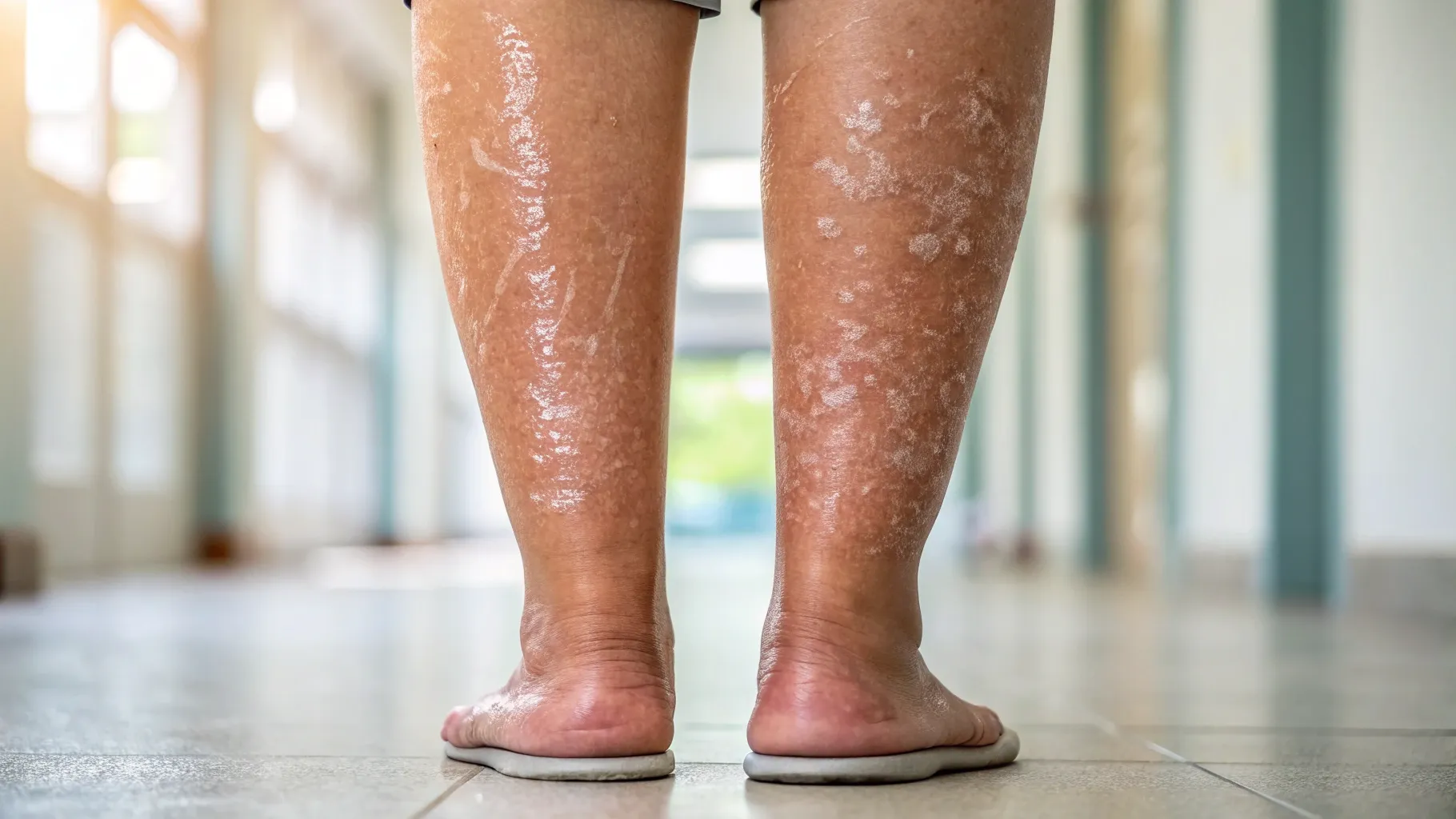
What Causes Swollen Legs?
Identifying the underlying root causes of leg swelling is pivotal for determining an effective treatment plan. Swollen legs can result from a multitude of factors, which may range from benign behaviors to serious health conditions. Here are some common causes to be aware of:
- Fluid Retention: This is known in the medical field as peripheral edema. It often occurs when excess fluid accumulates in body tissues, which can happen after long periods of sitting, standing, or being sedentary. People might notice this particularly when traveling long distances. A study released last year indicated that prolonged periods in a seated position led to increased levels of discomfort among travelers, necessitating movement breaks.
- Heart Disease: Heart conditions, particularly congestive heart failure, can lead to fluid build-up in the legs. The American Heart Association notes that an estimated 6.5 million adults live with heart failure as of early 2025. This statistic illustrates the significant health risk factors associated with leg swelling.
- Pregnancy: Pregnant women commonly experience swollen legs due to hormonal fluctuations and an increased blood volume. Additionally, the growing fetus can exert pressure on the blood vessels, leading to swelling.
- Kidney Issues: Chronic kidney diseases can impair your kidneys' ability to filter toxins and excess fluid effectively, causing swelling in the legs, particularly noticeable during the later stages of the disease.
- Liver Problems: Liver conditions such as cirrhosis disrupt the body's fluid balance. Recent statistics indicate that liver disease is a growing concern, with approximately 3.5 million cases reported just last year, demonstrating the impact on leg swelling.
- Medications: Certain medications can cause fluid retention as a side effect. Common culprits include specific blood pressure medications, steroids, and NSAIDs. It's crucial to consult with your healthcare provider if you suspect a medication is affecting your leg swelling.
- Varicose Veins: These enlarged, twisted veins often appear in the legs and can cause swelling, discomfort, and an unsightly appearance. They are relatively common and are estimated to affect about 20% of the adult population.
Recognizing Symptoms of Swollen Legs
The symptoms accompanying leg swelling can vary based on the underlying cause. However, some signs may indicate a need for medical evaluation and should not be ignored. Here are the key symptoms to look out for:
- Visible swelling in the ankles and feet
- Tenderness or pain in the swollen areas
- Skin changes such as discoloration or warmth
- A sensation of heaviness or fullness in the legs
- Skin that retains a dimple after being pressed (known as pitting edema)
It is important to consider the severity and sudden onset of swelling. If accompanied by symptoms such as shortness of breath, chest pain, or dizziness, they could indicate a serious medical emergency. Seeking immediate medical attention in such cases can be lifesaving.
Prominent Treatment Options for Swollen Legs
When evaluating treatment options for swelling in legs, the approach largely depends on the identified cause. Here are several recommended strategies that have been shown to provide relief and promote overall health:
- Compression Stockings: Wearing graduated compression stockings is proven to help manage swelling by enhancing blood flow and reducing fluid accumulation in the legs.
- Dietary Modifications: Reducing salt intake can significantly help in managing fluid retention. Additionally, a balanced diet rich in potassium can encourage your body to eliminate excess fluids naturally.
- Physical Activity: Engaging in regular physical activity promotes better blood circulation. For those who may not be able to engage in strenuous exercise, simple leg lifts, walking, or stretching can be extremely beneficial.
- Medication Review: If medication is discovered to contribute to leg swelling, discussing alternatives with your healthcare provider is essential.
- Elevation: Elevating the legs above heart level while resting allows excess fluid to drain, reducing swelling quickly. Elevating your legs on a pillow while lying down can help alleviate discomfort.
- Minimize Prolonged Sitting or Standing: Taking breaks to stretch and move around regularly can significantly decrease the likelihood of developing swollen legs, especially in sedentary jobs.
In cases of severe swelling, or when caused by underlying health issues such as swelling in legs due to heart conditions, it is vital to consult a healthcare professional promptly. Advanced medical interventions may be necessary, depending on individual health circumstances.
It's worth noting that the causes of leg swelling in elderly people can differ from those in younger individuals. Older adults are more susceptible to chronic health conditions that contribute to edema, including heart failure, diabetes, and reduced mobility. Continuous monitoring of their health is essential in preventing and managing swollen legs effectively, ensuring they lead a more comfortable lifestyle.
Ultimately, comprehending what causes swollen ankles and feet can range from simple lifestyle choices to grave health concerns. By staying informed, monitoring your symptoms, and actively seeking appropriate medical advice when necessary, you can manage swelling effectively and maintain your overall health. Taking a proactive stance towards your health can make a profound difference in how you feel each day.
Authored by FreshLifeWire team