Explore Sushi Chef Careers Skills Training and Opportunities
Sushi Chef Careers A Comprehensive Guide
The world of sushi is not just about delicious rolls and beautifully plated sashimi; it's also about the skill and dedication of the sushi chefs who craft these dishes. If you're considering a career as a sushi chef, it’s essential to understand the skills needed, the responsibilities you will hold, and the training required. Entering this culinary field offers a unique blend of artistry and technical expertise, coupled with some inherent challenges.
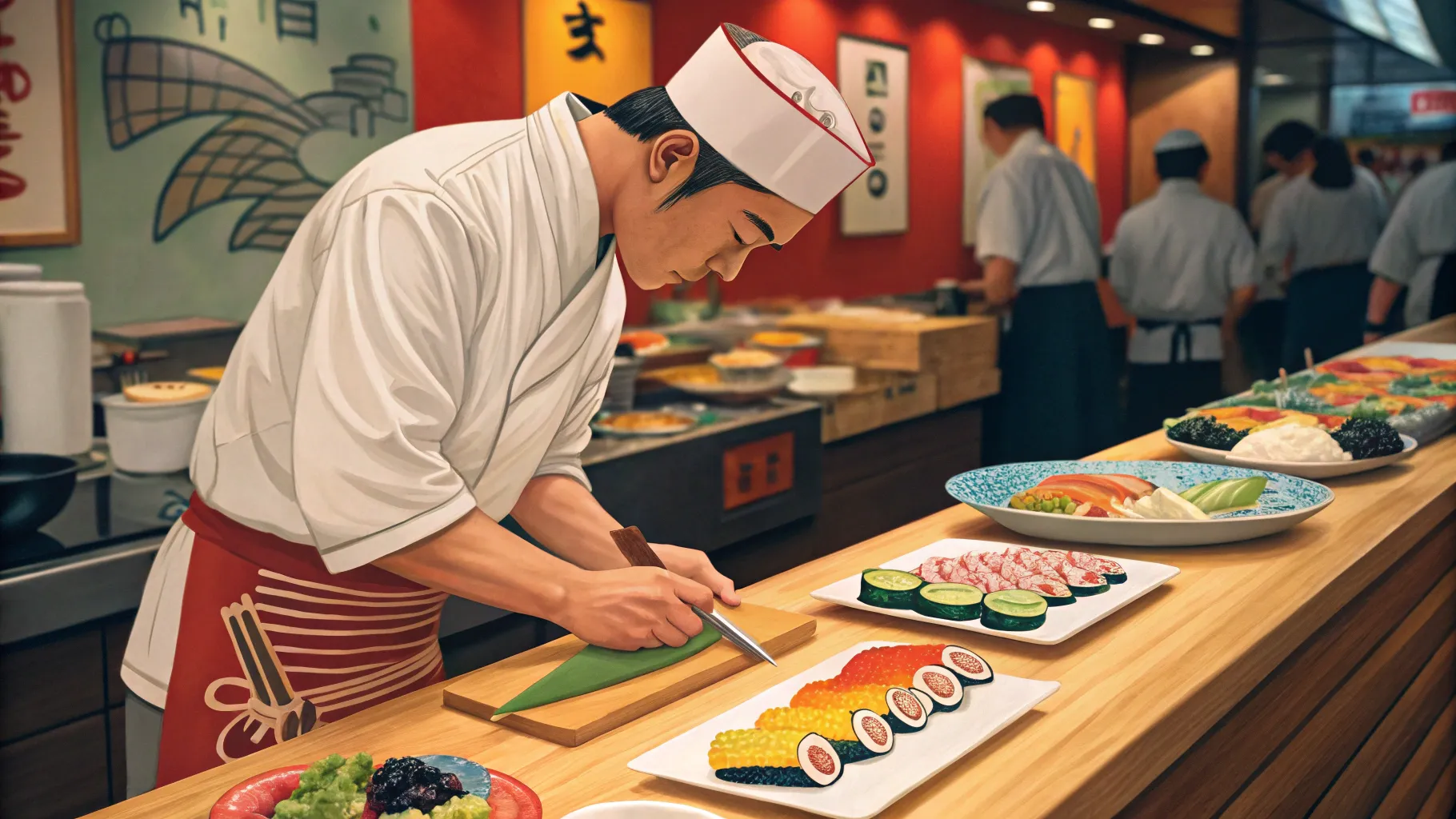
Skills Needed for Sushi Chef Jobs
To thrive as a sushi chef, a variety of skills are crucial. The following are some of the most important:
- Culinary Skills: Mastery of sushi preparation and presentation is paramount. This includes knowledge of various sushi types, ingredients, and techniques.
- Knife Skills: Sushi chefs require exceptional knife skills for precise cutting and presentation. The Japanese technique of tachi-ryori is especially emphasized in sushi preparation.
- Attention to Detail: Each sushi piece must be crafted with precision, paying close attention to texture, flavor balance, and aesthetics.
- Creativity: Innovative thinking helps in creating unique rolls and dishes that can stand out in a competitive culinary market.
- Stamina and Physical Endurance: Working in a sushi kitchen can be physically demanding, requiring long hours on your feet.
- Customer Service Skills: Especially for those working in front-of-house roles, communication with customers is vital for creating a welcoming experience.
Responsibilities of a Sushi Chef
The day-to-day responsibilities of a sushi chef can be varied and challenging. Here are some key tasks that sushi chefs typically handle:
- Preparation: Sushi chefs prepare fresh fish and other ingredients, ensuring everything meets health and safety standards.
- Cooking and Plating: They cook rice, prepare other side dishes, and plate sushi artfully to enhance visual appeal.
- Inventory Management: Monitoring stocks of fish and other ingredients and placing orders as necessary to ensure freshness.
- Menu Development: Many chefs contribute to menu creation, exploring seasonal ingredients and culinary trends.
- Maintaining Cleanliness: Like all kitchen staff, sushi chefs must adhere to strict hygiene and cleanliness standards.
Training Required for Sushi Chefs
Becoming a sushi chef typically involves formal training, apprenticeship, or a combination of both. Here’s a breakdown of common paths:
- Professional Culinary School: Many aspiring sushi chefs attend culinary schools that offer specific courses in sushi-making as part of their curriculum. Such programs tend to last 6-12 months and provide foundational knowledge and skills.
- Apprenticeships: Working under an experienced chef is one of the traditional ways to learn. An apprenticeship can last several years, allowing hands-on experience in a real kitchen environment.
- Online Courses: With the rise of digital learning, several online platforms offer sushi-making courses, although they may not be as comprehensive as traditional training. Still, they provide valuable knowledge of techniques and trends.
Benefits of Working as a Sushi Chef
Embracing a career as a sushi chef provides various rewarding experiences:
- Creativity and Innovation: Sushi chefs can express their creativity through dish creation and presentation.
- Cultural Engagement: Sushi chefs often immerse themselves in Japanese cuisine and culture, expanding their culinary horizons.
- Job Opportunities: The demand for sushi has been on the rise, creating numerous job opportunities in different settings, from upscale restaurants to sushi bars.
- Competitive Salaries: Skilled sushi chefs often command competitive salaries, especially at high-end dining establishments.
- International Opportunities: Sushi chefs are in demand globally, opening doors for working in various countries.
Challenges in Sushi Chef Careers
Despite the many benefits, there are challenges sushi chefs may face:
- High Pressure: Working in a busy kitchen during peak hours can lead to stressful environments.
- Long Hours: Sushi chefs often work late evenings and weekends, which might disrupt work-life balance.
- Skill Development: Continuous practice is required to improve skill and keep up with culinary trends, necessitating a commitment to lifelong learning.
- Ingredient Accessibility: Sourcing fresh, quality ingredients can be challenging, especially outside of urban areas.
Types of Sushi Chef Jobs
Sushi chefs can find themselves in various roles within the culinary industry. Some of the most common positions include:
- Sushi Itamae: A traditional sushi chef who specializes in the craft of making sushi and sashimi.
- Head Sushi Chef: Responsible for managing the sushi kitchen, leading a team, and creating menu items.
- Sushi Assistant: An entry-level position ideal for those just starting, assisting senior chefs with preparation and basic sushi-making tasks.
- Consultant Chef: Experienced chefs sometimes take on roles where they help restaurants establish or improve their sushi offerings.
How to Become a Sushi Chef
Becoming a successful sushi chef requires dedication and passion. Here’s a roadmap to guide your journey:
- Start with a culinary education, focusing on Japanese cuisine.
- Find an apprenticeship at a reputable sushi restaurant.
- Gain experience and refine your skills in sushi preparation.
- Consider obtaining certifications or attending additional workshops to improve your credentials.
- Network with other culinary professionals to open doors for future opportunities.
Opportunities for Sushi Chefs Abroad
The culinary world is evolving, with sushi being embraced globally. Cities like New York, London, and Sydney are seeing an increasing demand for skilled sushi chefs. Opportunities to work abroad are abundant as sushi continues to gain popularity. Countries known for their culinary richness, such as France and Italy, are blending sushi with local flavors, creating a fusion dining experience. This provides sushi chefs the chance to innovate and introduce traditional Japanese practices into various gastronomical arenas.
In conclusion, pursuing a career as a sushi chef is both fulfilling and challenging. With a combination of the right skills, training, and a dash of creativity, aspiring chefs can carve out a niche for themselves in this vibrant culinary scene. The future looks bright for sushi chefs as they continue to adapt and thrive in an ever-evolving gastronomic landscape.
Authored by FreshLifeWire team