Sushi Chef Career Guide Skills Responsibilities and Paths
Sushi Chef Careers Exploring Opportunities and Pathways
The culinary world in 2025 is richer and more diverse than ever, and sushi is a shining example of this evolution. It embodies not just food but a cultural experience that tantalizes the taste buds. As sushi bars proliferate across cities worldwide, the role of a sushi chef has turned into a sought-after career path. No longer just a skilled cook, a sushi chef today is an artist, a cultural ambassador, and a critical player in a global dining phenomenon. If you're considering becoming a sushi chef, this article will provide you with insights into the essential skills, responsibilities, and training needed to thrive in this exciting field.
Essential Skills for Sushi Chef Jobs
Leading the sushi scene requires more than just a passion for food; it demands a unique blend of skills tailored to the art of sushi making. Here are the fundamental skills aspiring sushi chefs must cultivate:
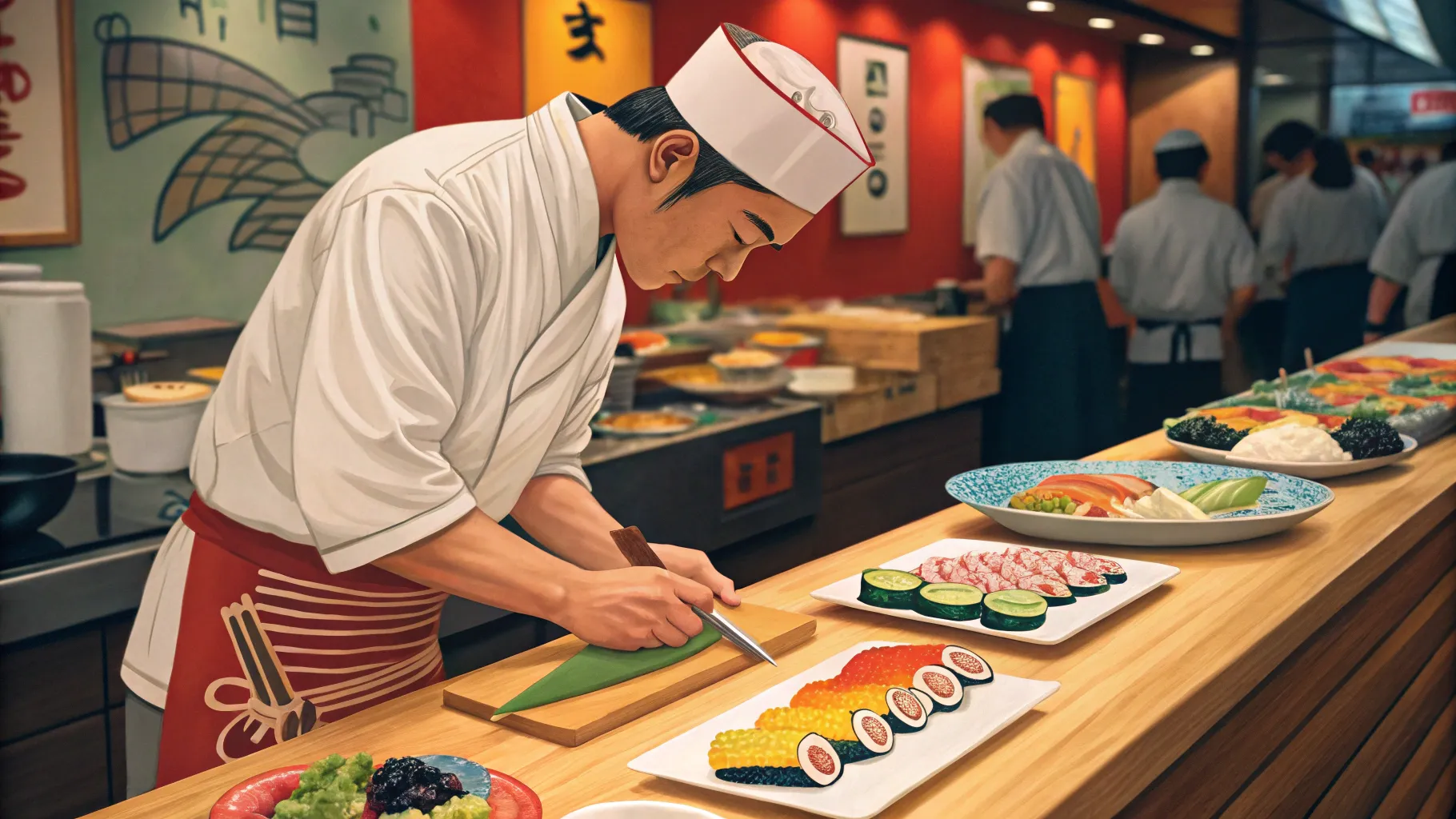
- Knife Skills: Mastery of knife techniques is central to sushi preparation. The way a chef slices the fish directly affects the flavor and presentation of the dish. In 2025, ongoing training in knife proficiency is essential as chefs explore new styles and techniques.
- Ingredient Knowledge: A sushi chef must understand the various ingredients that go into making authentic sushi. This knowledge includes knowing the difference between fresh and frozen fish, the types of rice, and how seasonal ingredients impact the flavor and texture of the meal.
- Creativity: Innovation is a key ingredient in modern sushi cuisine. Today’s sushi chefs are expected to be creative, experimenting with flavors, textures, and plating to keep their menus fresh and exciting for diners.
- Attention to Detail: Every aspect of sushi preparation must be executed with precision. This includes everything from ingredient proportions to the aesthetic arrangement on the plate, ensuring that the dining experience is visually appealing and satisfying.
- Sanitation Practices: With many sushi dishes featuring raw ingredients, adhering to strict sanitation standards is vital. Knowledge of food safety and hygiene ensures that chefs protect their diners and maintain the integrity of their kitchen operations.
Typical Responsibilities of a Sushi Chef
The daily activities of a sushi chef can vary based on the establishment's size, but several core responsibilities remain consistent across the board:
- Preparation: A sushi chef’s day often begins early, laying the groundwork for service by preparing sushi rice, slicing high-quality seafood, and prepping vegetables. Such organization allows for an efficient workflow during busy service hours.
- Menu Creation: Creative collaboration with management leads to innovative menu designs. The introduction of new sushi varieties that highlight seasonal ingredients keeps customers eager to return for something fresh.
- Quality Control: Every ingredient must meet the standards of freshness and quality. Sushi chefs conduct regular inspections and tastings to uphold the restaurant's reputation for excellence.
- Customer Interaction: Engaging directly with diners is a unique aspect of the sushi chef’s role. Chefs explain dishes, accommodate special requests, and offer personalized pairings, enhancing the overall dining experience.
- Mentoring Responsibilities: Experienced sushi chefs often take on mentoring roles, guiding less experienced team members in various aspects of sushi preparation, from the technicalities of rolling to aesthetic presentation techniques.
Training for Future Sushi Chefs
The journey to becoming a sushi chef in 2025 involves various educational and training pathways. While formal education in culinary arts is not strictly necessary, it can significantly sharpen your skills:
- Culinary Schools: Enrolling in culinary institutions that focus on Japanese cuisine provides aspiring chefs with foundational skills, including traditional sushi techniques, flavor profiles, and plating styles.
- Apprenticeships: Many successful sushi chefs start as apprentices. Working under seasoned professionals offers invaluable hands-on experience, allowing new chefs to master their craft over several years.
- Workshops and Certification Programs: Short-term workshops focusing on sushi making can also effectively elevate skills. In 2025, these programs often include modern twists on traditional techniques, perfect for those looking to stand out in the culinary landscape.
Benefits of a Career as a Sushi Chef
The role of a sushi chef is deeply rewarding, bringing with it numerous benefits:
- Creative Freedom: Sushi chefs enjoy the liberty to experiment, transforming classic recipes into contemporary culinary masterpieces that surprise patrons.
- Growing Demand: Sushi’s popularity continues to soar, creating abundant job opportunities not only in Japan but across global cities where diners crave authentic experiences.
- Competitive Compensation: The demand for skilled sushi chefs means competitive salaries, particularly in fine dining environments, reflecting their expertise and intricate skill set.
- Career Advancement: There’s ample opportunity for growth within the sushi industry. Chefs can move into head chef roles, own their restaurants, or venture into culinary education, offering endless possibilities for ambitious individuals.
Challenges Faced in Sushi Chef Careers
Despite the enticing aspects, being a sushi chef in 2025 comes with its challenges. Below are some common hurdles these culinary artists face:
- Physical Demands: The role requires long hours in a bustling kitchen environment, which can take a toll on physical health. The ability to stay agile and endure prolonged periods standing is crucial.
- Pressure for Perfection: Sushi chefs are often held to high standards, especially during peak hours. Striving for flawless execution adds significant pressure but also fosters resilience.
- Cultural Nuances: Chefs must respect and understand the cultural significance of sushi. This dedication to tradition often requires extensive research and immersion in Japanese culinary practices.
Types of Sushi Chef Roles
Within the sushi domain, various roles cater to different interests and skill levels. Here are some notable positions:
- Sushi Cook: This entry-level role primarily focuses on sushi preparation under the guidance of more experienced chefs.
- Sushi Master: A seasoned professional who contributes to menu design and oversees kitchen staff to maintain quality and consistency.
- Head Sushi Chef: Responsible for the entire sushi operation, ensuring exceptional quality and customer satisfaction.
- Sushi Sous-Chef: Assists the head chef in managing daily operations, often leading the team and ensuring smooth workflow.
Embarking on Your Journey to Become a Sushi Chef
For those dedicated to a sushi culinary adventure, here are actionable steps to kickstart your journey:
- Start with foundational culinary skills through training or self-education.
- Seek apprenticeships or internships with established sushi chefs to gain hands-on experience.
- Expand your palate by trying various sushi styles and understanding the key ingredients involved.
- Keep updated on the latest trends in sushi, such as global flavor integration and innovative presentation techniques.
As sushi occupies a significant place in global cuisine in 2025, the market for skilled sushi chefs continues to flourish. Different cultures are embracing sushi, allowing chefs worldwide to explore this vibrant culinary art. Today's sushi chefs are not just cooks; they are pivotal in reshaping how we view and enjoy food. Pursuing a career as a sushi chef opens up a world of creativity, culture, and endless opportunities for culinary exploration.
In summary, the journey to becoming a sushi chef is filled with growth, potential, and satisfaction. You won't just be preparing sushi; you'll be crafting art that connects people to flavors and traditions across the globe. Embrace this culinary adventure, and you may find yourself among a community that celebrates the joy of food in all its delightful complexities.
Authored by FreshLifeWire team