Surplus Military Sleeping Bags: Temperature Ratings Explained & How to Verify Genuine Gear for 2025
As we head into the colder months of 2025, outdoor enthusiasts and preppers are once again turning to a time-tested solution for extreme cold: surplus military sleeping bags. These systems are engineered for durability and performance in the harshest conditions, often outclassing their civilian counterparts in sheer ruggedness. But navigating the world of military surplus requires knowledge. This guide will break down everything you need to know, from understanding complex ratings to ensuring you're buying the real deal.
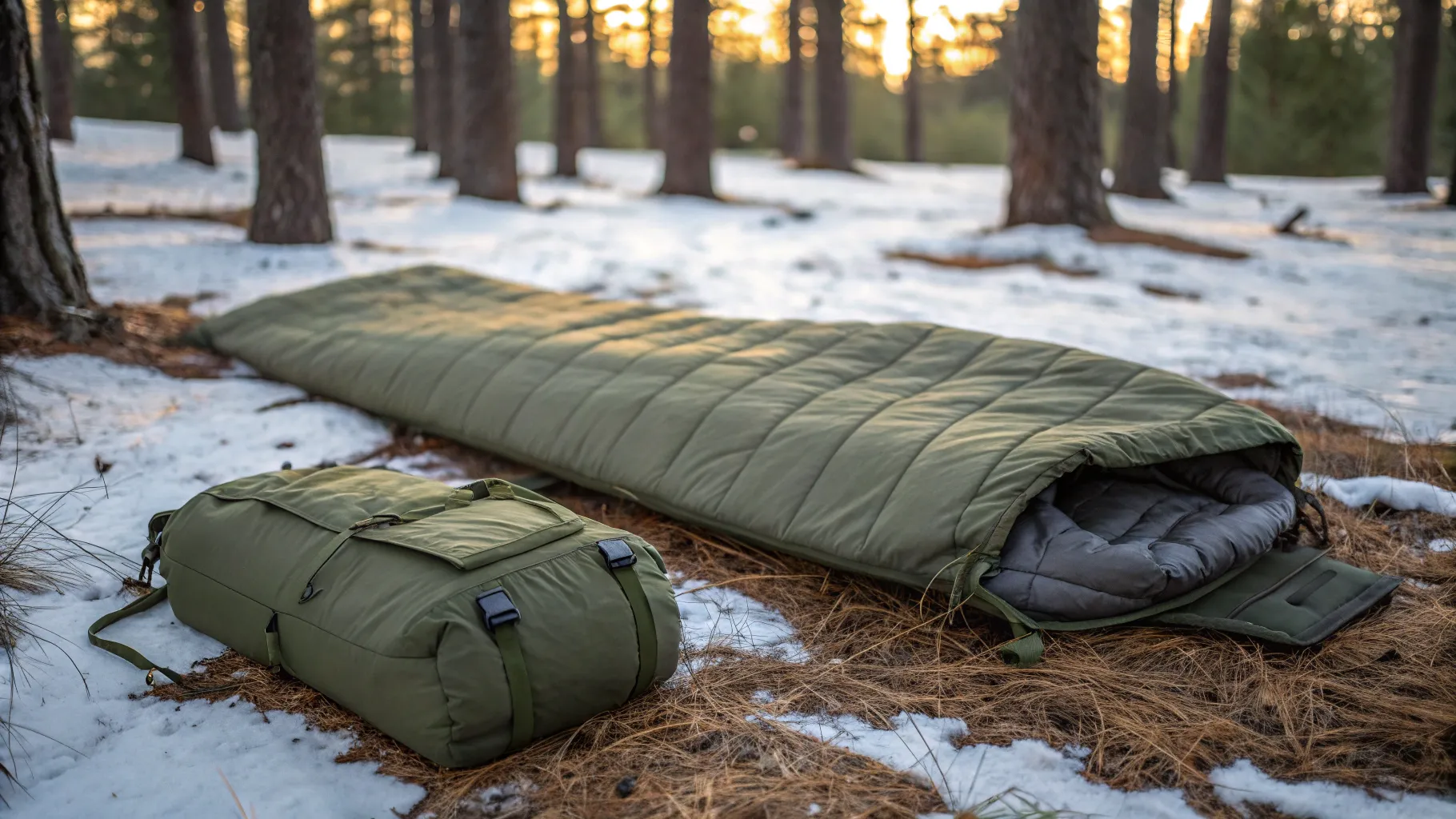
Demystifying Military Gear: Temperature Ratings Explained
One of the most confusing aspects of military surplus gear is the sleep system's temperature rating. Unlike many civilian bags that use the ISO 23537 standard, military systems often have their own ratings based on extensive field testing with soldiers wearing specific clothing layers. A bag rated to -20°F might assume the user is also wearing thermal underwear and a fleece layer inside a tent. It's crucial to understand that these are survival ratings, not comfort ratings. The primary goal is to keep a soldier mission-capable, which might not equate to a cozy night's sleep.
Key Rating Considerations:
Comfort Rating: The temperature at which a standard user can sleep comfortably in a relaxed position.
Limit Rating: The temperature at which a standard user can sleep in a curled-up position without shivering.
Extreme Rating: A survival-only rating. At this temperature, there is a significant risk of frostbite and hypothermia. This is not a temperature you should plan on camping in.
The Power of Layers: Understanding Modular Sleep Systems
The genius of modern military gear lies in its adaptability, and this is perfectly embodied in modular sleep systems (MSS). The U.S. Military's 4-part MSS is a classic example. It typically consists of several components designed to be used together or separately to cover a massive temperature range, from warm summer nights to arctic freezes.
- Bivy Cover: A waterproof but breathable outer layer made of Gore-Tex or a similar material. It protects against wind, rain, and snow while reducing heat loss.
- Patrol Bag: A lightweight sleeping bag, typically rated for temperatures down to around 30°F (-1°C). Ideal for cool to mild weather.
- Intermediate Cold Weather Bag: A thicker, more insulated bag rated for conditions down to about -10°F (-23°C).
- Compression Stuff Sack: A crucial component used to compact the entire system for transport.
By combining the patrol and intermediate bags inside the bivy cover, the entire system is rated for temperatures of -30°F (-34°C) or even lower, depending on the specific model and user's clothing.
The Core of Warmth: A Look at Insulation Materials
When it comes to insulation materials in military sleeping bags, synthetic fills are king. While down insulation offers a superior warmth-to-weight ratio, it loses nearly all of its insulating properties when wet. In a military context, where equipment is subjected to extreme abuse and moisture is a constant threat, this is an unacceptable liability. Military systems almost exclusively use robust synthetic fills like Polarguard HV or Climashield Combat. These materials retain a significant amount of their insulating ability even when damp, are highly durable, and can withstand the repeated compression and expansion that military use demands.
Packing it Right: Essential Compression Tips
A bulky sleeping bag is useless if you can't carry it. Effective use of a compression sack is vital. Following proper compression tips not only saves space but also prolongs the life of your gear.
- Stuff, Don't Roll: Aggressively stuff the sleeping bag into the sack, starting from the footbox. This distributes the fill more evenly than rolling and prevents specific areas from being consistently creased.
- Compress Evenly: Tighten the compression straps in an alternating pattern, similar to tightening lug nuts on a tire, to ensure even pressure across the bag.
- Store Uncompressed: This is the most important rule. Never store your sleeping bag in its compression sack long-term. This will permanently damage the insulation and reduce its loft and warmth. Store it loosely in a large mesh bag or hang it in a closet.
Buyer Beware: How to Verify Genuine Surplus
The popularity of military gear has led to a market flooded with knock-offs and commercial reproductions. Knowing how to verify genuine surplus is key to getting the performance and durability you're paying for. Genuine U.S. Military issue items will have a tag with a National Stock Number (NSN). This 13-digit number is a unique identifier for all standardized materials of supply. Look for clear, professional stitching, robust zippers (often YKK), and durable fabrics. If a deal from an unknown online seller seems too good to be true, it probably is. Stick to reputable military surplus vendors who can guarantee the authenticity of their stock.
References:
www.army.mil/publications/fieldmanuals/
www.surplusgearreview.com/articles/mss-guide
www.climashield.com/technology/military-applications
Authored by FreshLifeWire team