Stroke Treatment Exercise Strategies for Recovery
Understanding Stroke Treatment and Effective Exercise Strategies
Stroke is a significant health concern, affecting millions of individuals worldwide. In fact, recent statistics indicate that approximately 15 million individuals experience strokes globally each year, with nearly 5 million succumbing to it. Recognizing the urgency, it’s imperative to stay informed about stroke treatment options and the vital role exercise therapy plays in rehabilitation. Today, let’s explore effective stroke treatments and the exercise strategies that can aid in recovery.
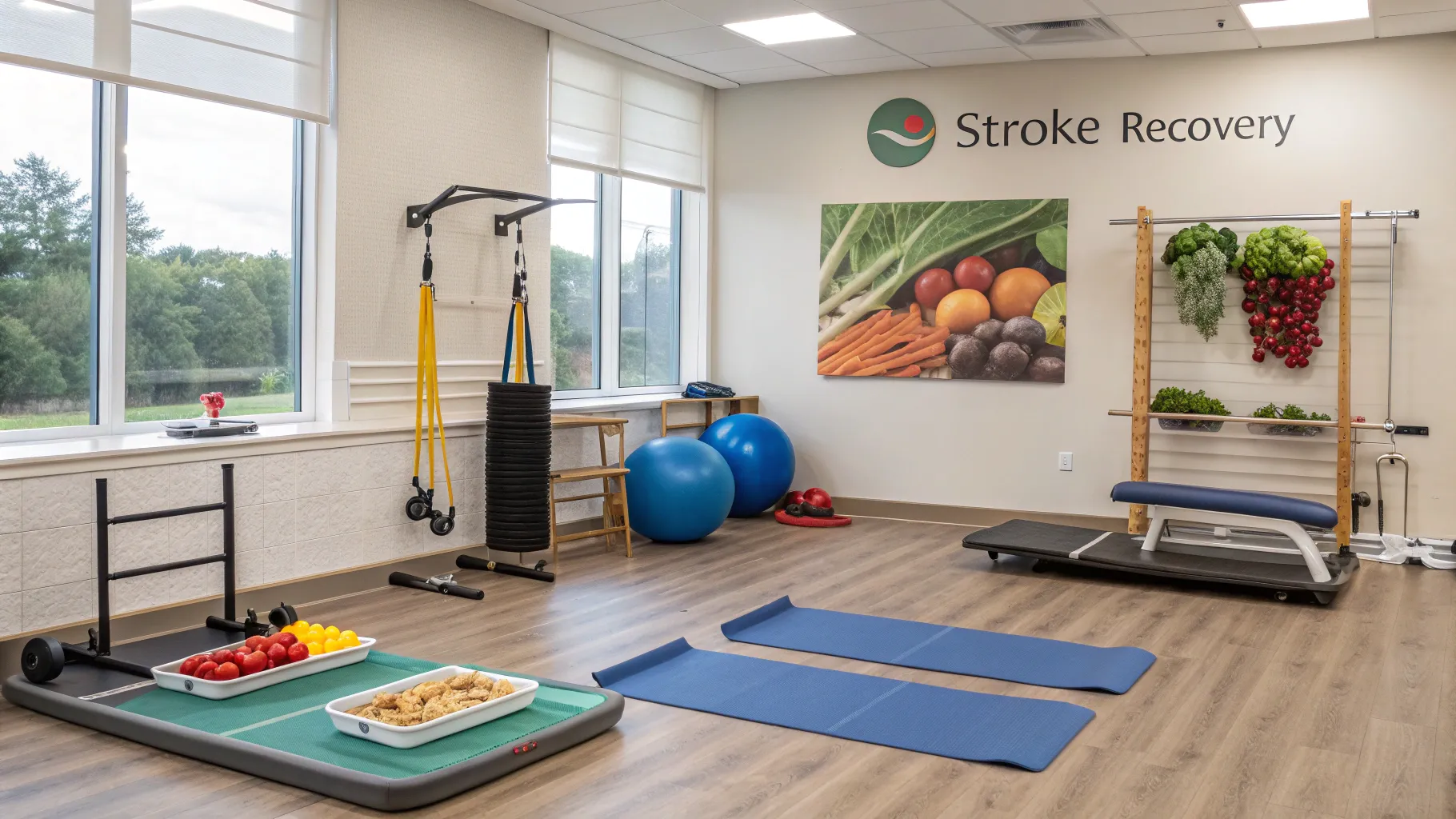
Comprehensive Stroke Treatment Options
Effective stroke treatment begins as soon as the patient is diagnosed. Swift medical intervention can minimize brain damage and improve recovery outcomes. The two main kinds of strokes are ischaemic and haemorrhagic.
- Ischaemic Stroke: This form of stroke occurs when a blood clot blocks a blood vessel in the brain. Treatment might involve medications like tissue plasminogen activator (TPA), which helps dissolve clots, or mechanical thrombectomy, a procedure that removes the clot.
- Haemorrhagic Stroke: Caused by bleeding in or around the brain, treatment typically includes stabilizing the patient and may require surgery to repair blood vessels or relieve pressure.
The aftermath of a stroke is challenging, and effective rehabilitation becomes crucial. This is where stroke recovery therapy comes into play, tailored to an individual’s needs, focusing on both physical and cognitive healing.
Stroke Exercise Therapy for Optimal Recovery
Stroke exercise therapy is a cornerstone of rehabilitation. Engaging in a structured exercise program has been shown to enhance strength, balance, and overall function in stroke survivors. A study published just last month revealed that patients who engaged in consistent exercise therapy reported a 30% improvement in their mobility and quality of life compared to those who were less active.
Here are some key components of effective stroke exercise therapy:
- Walking Therapy: Simple yet effective, walking helps rebuild strength and mobility. Gradual increases in distance and speed can enhance stamina.
- Strength Training: Focusing on major muscle groups can help regain lost strength. Resistance bands or light weights can be effective additions.
- Balance and Coordination Exercises: Activities like yoga or tai chi not only improve balance but also reduce the risk of falls, a common concern for stroke survivors.
To emphasize the importance of tailored therapy, consider the case of John, a 67-year-old stroke survivor who was initially unable to walk after his incident. With a personalized stroke rehabilitation program that included daily exercise sessions, he regained his mobility within three months. His story underscores the value of commitment and the right support system.
Moreover, it’s essential to engage in physical activity that brings joy. Whether it’s dancing, gardening, or even swimming, enjoyable activities can significantly motivate individuals during their recovery journey. Regular physical activity not only strengthens the body but also uplifts the spirit, which is crucial for holistic recovery.
Nutrition: The Unseen Ally in Stroke Recovery
While exercise is vital, an appropriate stroke recovery diet plays a critical role in healing. Eating healthily can impact recovery outcomes significantly. A balanced diet rich in fruits, vegetables, whole grains, and lean proteins is optimal.
Statistically, those who embraced a Mediterranean diet, high in omega-3 fatty acids found in fish and nuts, reported better recovery indicators. In fact, studies from the last six months highlight that adhering to this diet can reduce the risk of a second stroke by up to 30%.
- Focus on antioxidants: These help fight inflammation. Foods like berries, spinach, and nuts should be staples.
- Limit salt intake: Reducing salt can help manage blood pressure, a significant factor in stroke recovery.
- Stay hydrated: Proper hydration supports overall health and recovery processes.
Food choices matter; they can make an enormous difference in the recovery journey. Incorporating wholesome meals not only aids in physical recovery but also provides emotional comfort. Families should consider preparing meals together as a way to motivate and support stroke survivors.
Stroke Prevention Exercises: A Proactive Approach
While recovery is essential, valid concern for stroke survivors also lies in prevention. Engaging in stroke prevention exercises can reduce the likelihood of experiencing another stroke. Recent studies emphasize that regular aerobic exercises, such as brisk walking or cycling, can reduce risk factors like high blood pressure and cholesterol levels.
Individuals should consult healthcare professionals to design a safe and effective exercise program tailored to their health needs. Routine check-ups and adhering to prescribed medications play an integral role in maintaining heart health and preventing strokes.
In 2025, more rehabilitation clinics are integrating technology into stroke therapy. Innovations such as virtual reality and mobile apps offer engaging ways for survivors to engage in therapeutic exercises from the comfort of their homes. This not only improves accessibility but provides an interactive element to recovery, creating a supportive environment for healing.
In summary, with rapid advancements in treatment, exercise therapy, nutrition, and technology, the landscape of stroke recovery is evolving. Being informed about stroke treatment options, committing to a structured exercise program, and making smart dietary choices are all essential steps towards enhancing recovery and preventing future strokes. Engaging with healthcare professionals, stroke rehabilitation clinics, and supportive communities can further enhance this journey, empowering individuals to reclaim their lives post-stroke.
Authored by FreshLifeWire team