Stroke Recovery Guide for Adults Rehabilitation Strategies
Understanding Stroke Recovery in Adults
Stroke recovery is a critical and often challenging journey that thousands of adults embark on every year. In the United States alone, approximately 795,000 strokes occur annually, emphasizing the importance of robust rehabilitation strategies. Understanding the multifaceted nature of stroke recovery involves appreciating the roles of dedicated recovery professionals, contemporary rehabilitation methodologies, and essential lifestyle adjustments that are key to achieving optimal health outcomes.
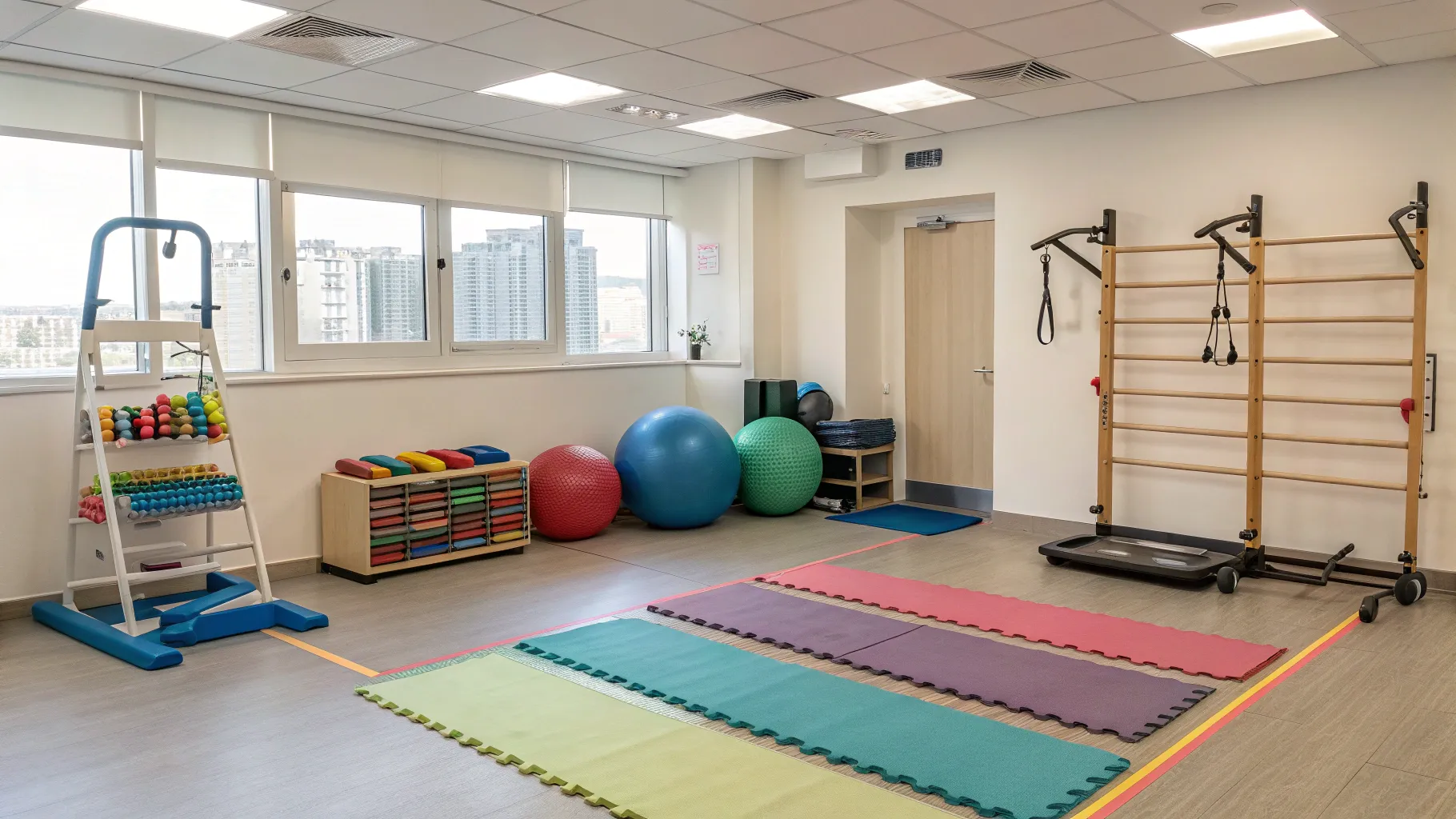
The Rehabilitation Process: A Holistic Approach
At the heart of stroke recovery lies a comprehensive rehabilitation process tailored to help individuals regain independence and functionality. Effective recovery typically encompasses a personalized blend of physical therapy, occupational therapy, and speech therapy. Each specialty addresses specific challenges that stroke survivors face, lighting the way toward renewed hope and enhanced quality of life.
Physical Therapy: Regaining Mobility
Physical therapy is a vital component of stroke rehabilitation, focusing on restoring strength, mobility, and overall physical function. Physical therapists design customized exercise regimens that aim to improve balance, ambulation, and coordination. There are many success stories highlighting the significant impact of dedicated physical therapy programs in stroke recovery.
- Case Study: Consider a 62-year-old woman who suffered a severe ischemic stroke. After committing to an intensive three-month physical therapy program, she now walks independently, having successfully returned to her daily activities.
- Statistics: Recent research indicates that engaging in physical therapy soon after a stroke can enhance mobility recovery rates by up to 50%. Stroke survivors who consistently participate in rehabilitation report significantly better long-term outcomes compared to those who do not.
Occupational Therapy: Encouraging Independence
Occupational therapy (OT) plays a crucial role in helping stroke survivors regain the skills necessary for daily living. Through collaboration with patients, OT practitioners set personalized goals and devise effective strategies tailored to individual needs. This can involve training patients to perform routine tasks more efficiently or introducing adaptive equipment to foster greater independence.
- Real-World Application: For instance, a stroke survivor eager to return to work participates in OT sessions focused on fine motor skills and cognitive tasks, facilitating a smoother transition back into a professional environment.
Moreover, OT often integrates assistive technologies, improving patients' confidence and control over their post-stroke lives.
Speech Therapy: Restoring Communication and Swallowing
Many stroke survivors face challenges in communication and swallowing, commonly referred to as dysphagia. Speech therapy is critical in addressing these issues, with trained specialists developing individualized treatment plans that may include articulation exercises and coordination drills. This specialized therapy is instrumental in helping individuals regain their ability to communicate effectively and manage their nutritional needs.
- Example: A 72-year-old man made remarkable progress through a speech therapy program that utilized verbal drills and communication boards, allowing him to express his needs more clearly.
- Recent Findings: Studies from the past six months demonstrate that commencing speech therapy early—preferably within the first few weeks following a stroke—significantly boosts the likelihood of recovering effective communication skills.
Managing Blood Pressure: A Key Component in Recovery
Managing blood pressure is critical during stroke recovery. High blood pressure is a leading risk factor for subsequent strokes, requiring vigilant monitoring and management. Currently, healthcare providers recognize that effective control of blood pressure is an integral part of recovery plans for stroke patients.
- Dietary Recommendations: Patients are encouraged to adopt a diet rich in fruits, vegetables, whole grains, and lean proteins, which can contribute significantly to better blood pressure control.
- Exercise Routines: Engaging in regular physical activities, such as walking and low-impact aerobics, not only helps lower blood pressure but also complements physical rehabilitation efforts.
Addressing Stroke Complications: Proactive Management
The recovery path can be riddled with complications such as chronic pain, muscle spasms, and psychological challenges like depression and anxiety. Being proactive in addressing these hurdles is essential. Early assessment and intervention tactics are critical in mitigating these issues, ensuring that stroke survivors receive continuous support throughout their recovery journey.
- Intervention Strategies: Experts recommend a structured approach of ongoing support and regular follow-ups to adapt rehabilitation plans as necessary, optimizing healing outcomes.
- Emotional Support: Connecting patients with support groups and counseling services can provide invaluable emotional guidance, enabling stroke survivors and their families to navigate the challenges that arise during this difficult time.
By fostering a supportive environment that promotes both physical and emotional recovery, stroke survivors are empowered to reclaim their lives with resilience and determination.
In closing, the journey of stroke recovery is not a one-size-fits-all experience; it is both multifaceted and profoundly individual. Yet, with the latest advancements in rehabilitation practices, active management of health risks like blood pressure, and the proactive addressing of complications, survivors can traverse this journey with newfound strength. In our current landscape, the emphasis remains on comprehensive recovery strategies that prioritize physical and mental well-being. As we witness adults confront stroke challenges with courage, we also observe remarkable stories of survival and triumph, where lives are reshaped against the odds.
The road to stroke recovery, far from easy, is illuminated by resilience and hope. With dedicated rehabilitation efforts paired with a commitment to holistic health management, adults facing these challenges are not just surviving—they are thriving, successfully transforming their lives in extraordinary ways.
Authored by FreshLifeWire team