Storing Fresh Vegetables to Maximize Shelf Life: An Informative Guide to Produce Preservation
Facts:
- Improper storage causes over 40% of household food waste.
- Modern storage technology is a key focus for vegetable storage guides older adults.
The Science Behind Keeping Your Greens Green and Carrots Crisp
Wasting produce is like throwing money directly into the compost bin. Extending the life of your fresh vegetables is not just about saving money; it's about enjoying better-tasting, more nutritious food. This comprehensive and informative guide to produce preservation will delve into the essential techniques that make a real difference. We will explore everything from fundamental storage principles to advanced methods, providing you with a clear roadmap on how to keep vegetables fresh longer. By understanding the specific needs of different vegetables, you can dramatically reduce waste and maximize the value you get from every grocery trip.
Mastering the Crisper Drawer: Understanding Fridge Crisp Container Humidity Rules
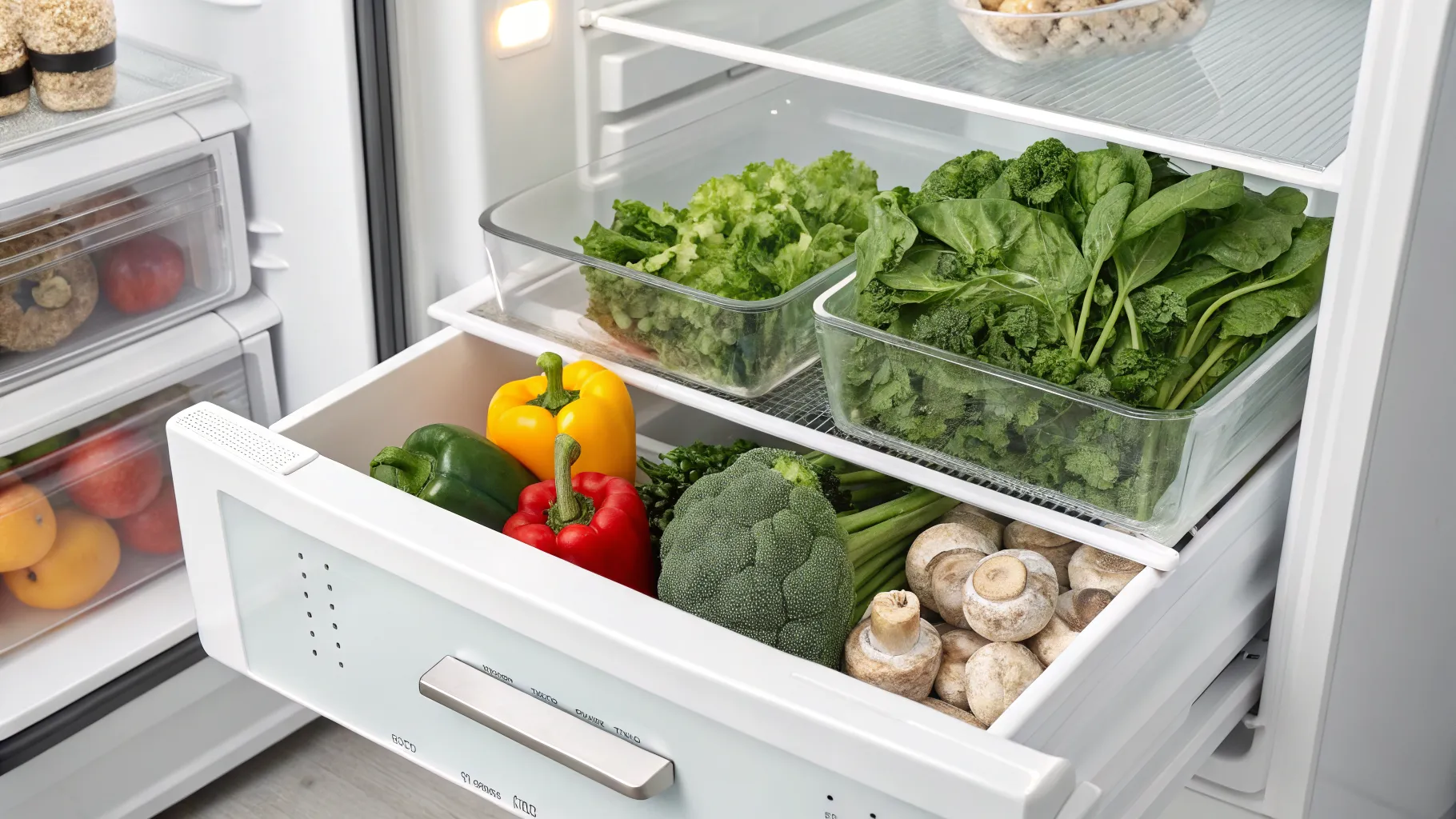
The crisper drawers in your refrigerator are more than just bins; they are specialized micro-environments designed to prolong the life of your produce. The key to using them effectively lies in understanding and applying the fridge crisp container humidity rules. Most drawers have an adjustable slide that opens or closes a small vent. A closed vent creates a high-humidity environment, perfect for vegetables that wilt, such as leafy greens (spinach, kale, lettuce), carrots, broccoli, and fresh herbs. This setting traps moisture, preventing them from drying out. Conversely, an open vent creates a low-humidity environment. This is ideal for fruits and vegetables that rot or become mealy with too much moisture, like apples, pears, peppers, and avocados. Adhering to these fridge crisp container humidity rules is a foundational step in any effective strategy for how to keep vegetables fresh longer.
Beyond the Refrigerator: Proper Storage for Pantry Vegetables
Not all vegetables thrive in the cold, damp environment of a refrigerator. In fact, refrigerating certain types of produce can ruin their texture and flavor. Understanding which vegetables to keep at room temperature is a crucial part of any informative guide to produce preservation. Root vegetables like potatoes and onions should be stored in a cool, dark, and well-ventilated place like a pantry or cellar. Keep them separate, as onions release gases that can cause potatoes to sprout prematurely. Garlic also prefers this type of environment. Tomatoes are another key item to keep out of the fridge; refrigeration makes them mealy and dulls their flavor. Store them on the counter and consume them as they ripen. Winter squashes, such as butternut and acorn squash, also have a long shelf life when kept in a cool, dark place.
The Invisible Enemy: Managing Ethylene Gas for Longevity
Ethylene is a natural plant hormone released as a gas by certain fruits and vegetables, acting as a ripening agent. While it's a natural process, it can be detrimental to other produce stored nearby. Knowing which items produce high levels of ethylene and which are sensitive to it is essential. High-ethylene producers include apples, bananas, avocados, and tomatoes. Ethylene-sensitive produce includes leafy greens, broccoli, carrots, and asparagus. Storing these two groups separately is a critical tactic for how to keep vegetables fresh longer. For instance, placing a ripe banana next to a head of broccoli will cause the broccoli to yellow and spoil much faster. This knowledge is especially important for anyone creating vegetable storage guides older adults, as it simplifies grocery planning and reduces waste from cross-contamination.
Advanced Preservation: Understanding Dynamic Gas Exchange Seals
For those serious about maximizing freshness, modern storage solutions offer significant advantages over simple plastic bags. This is where understanding dynamic gas exchange seals comes into play. These advanced containers and bags are made with special membranes that control the flow of gases. They are engineered to allow ethylene gas to escape while retaining the optimal amount of moisture and oxygen. This creates a perfectly balanced atmosphere that dramatically slows down the aging and decay process. When compared to a standard sealed container, which traps all gases and can accelerate spoilage, or an open bag that allows for dehydration, the benefits are clear. Investing in containers with these seals is a scientifically-backed method that provides a superior environment, making it a cornerstone of any modern informative guide to produce preservation.
Actionable Steps for Preparing Vegetables for Storage
Proper preparation before storage can be just as important as the storage method itself. Following a few simple steps can add days or even weeks to the life of your produce. This is practical advice that forms the core of effective vegetable storage guides older adults and busy families can use immediately.
- Don't Wash Until Ready to Use: For most vegetables, especially berries and leafy greens, excess moisture encourages mold and bacterial growth. It's best to wash them just before you plan to eat or cook them. The main exception is root vegetables, which can be gently scrubbed to remove excess dirt.
- Trim and Tidy: Remove any rubber bands or ties from bunches of vegetables like asparagus or herbs, as they can bruise the stems. Trim the leafy green tops off of carrots, beets, and radishes. The leaves draw moisture and nutrients from the root, causing them to go limp faster.
- Ensure Dryness: If you must wash greens ahead of time, make sure they are completely dry. Use a salad spinner or pat them thoroughly with a clean towel before storing. Trapped water is the enemy of freshness.
- Give Them Space: Do not overpack your crisper drawers or storage containers. Good air circulation is vital to prevent moisture buildup and inhibit spoilage. Overcrowding is a common mistake that undermines even the best storage efforts.
Frequently Asked Questions
How can I apply fridge crisp container humidity rules if my drawers are not adjustable?
If your crisper drawers lack humidity sliders, you can create your own high-humidity environment. Simply place a damp paper towel in the drawer with your leafy greens. For a low-humidity setting, you can prop the drawer open slightly with a small object or use a produce bag with perforations to allow for more air exchange. This is a great tip on how to keep vegetables fresh longer without high-end appliances.
What is the best way to store fresh herbs?
Treat fresh herbs like a bouquet of flowers. Trim the stems and place them in a jar with an inch of water. For herbs like cilantro and parsley, you can then cover the leaves loosely with a plastic bag and store them in the refrigerator. For hardier herbs like rosemary and thyme, you can wrap them in a slightly damp paper towel and place them in a resealable bag in the crisper.
Are there special considerations in vegetable storage guides older adults should know?
Yes, convenience and ease of use are key. The vegetable storage guides older adults often recommend pre-chopping heartier vegetables like carrots and celery and storing them in water in the fridge for easy snacking. Also, utilizing clear containers helps in quickly identifying contents without having to open multiple bins, which can be helpful for meal planning and reducing physical effort.
References
- Journal of Food Science and Technology
- International Society for Horticultural Science
- University of California Agriculture and Natural Resources Division
- The National Center for Home Food Preservation
Authored by FreshLifeWire team